The flower garden
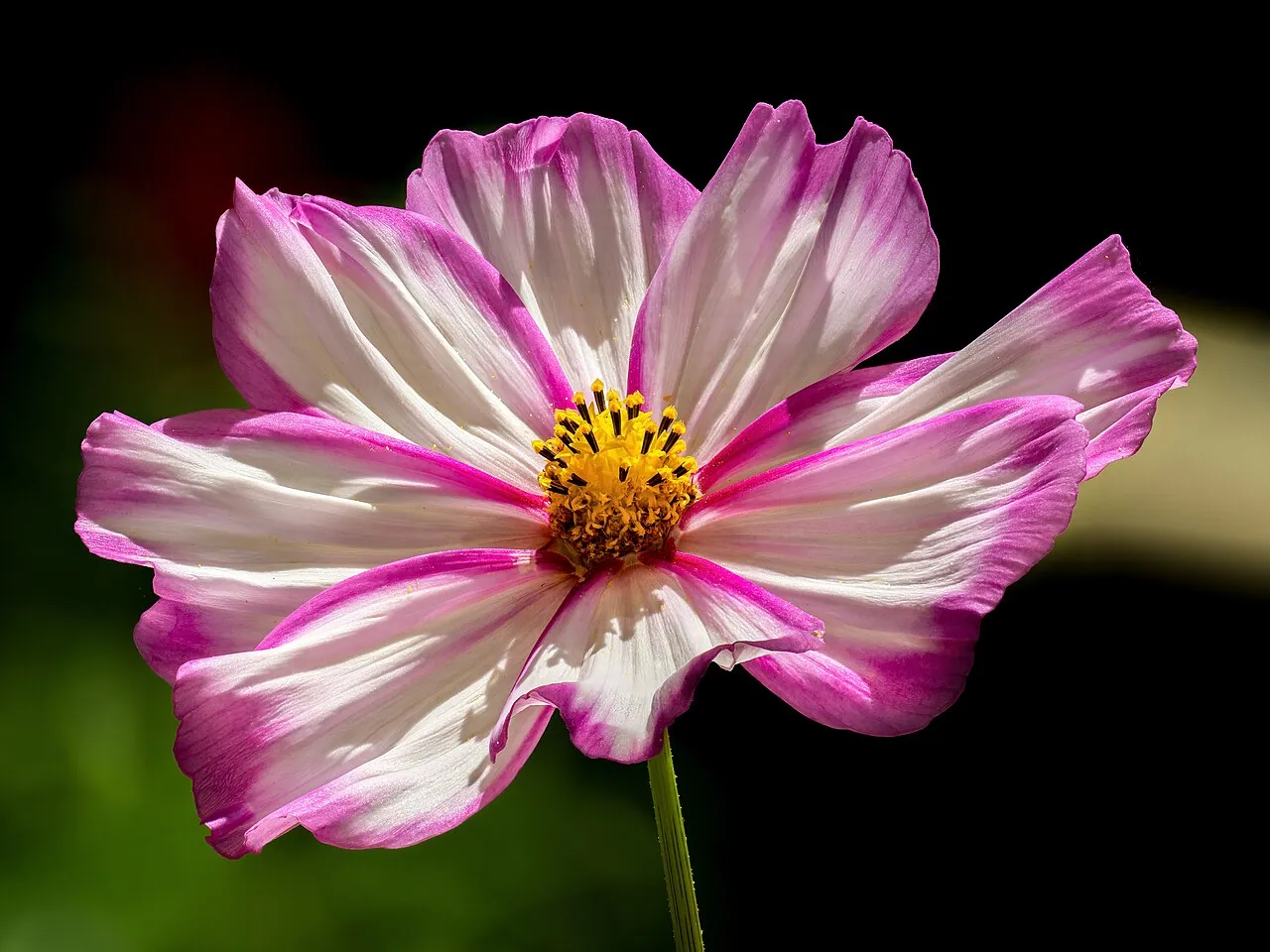
Cosmos that flower instead of flopping
Strong cosmos begin with an honest assessment of light, cultivar height and exposure; feeding harder rarely fixes a plant that is stretching toward the sun.
2 min read
A little dirt.
A little patience.
From the first bud to the last cut stem. Make room for colour, scent and the pleasures of growing flowers.
Pick a page. Stay a while.
A small cutting patch works best when every plant has a job: a few generous stems, an accessible path, and a succession that survives regular picking.
Open this story ↗The flower garden
Strong cosmos begin with an honest assessment of light, cultivar height and exposure; feeding harder rarely fixes a plant that is stretching toward the sun.
The flower garden
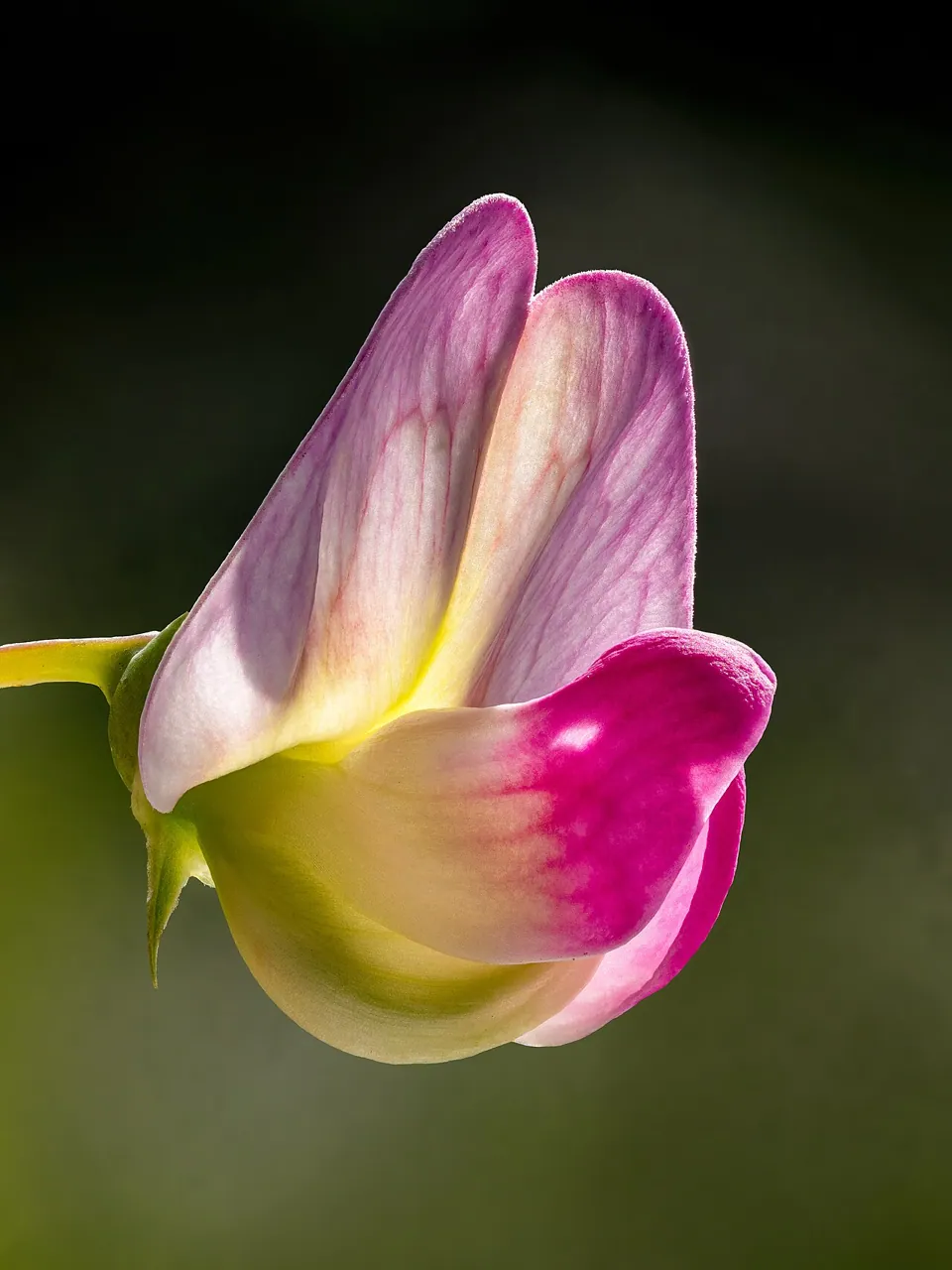
Sweet peas need a climbing position that combines generous light with reliable root moisture, especially when spring warmth arrives before the vines have filled their support.
The flower garden
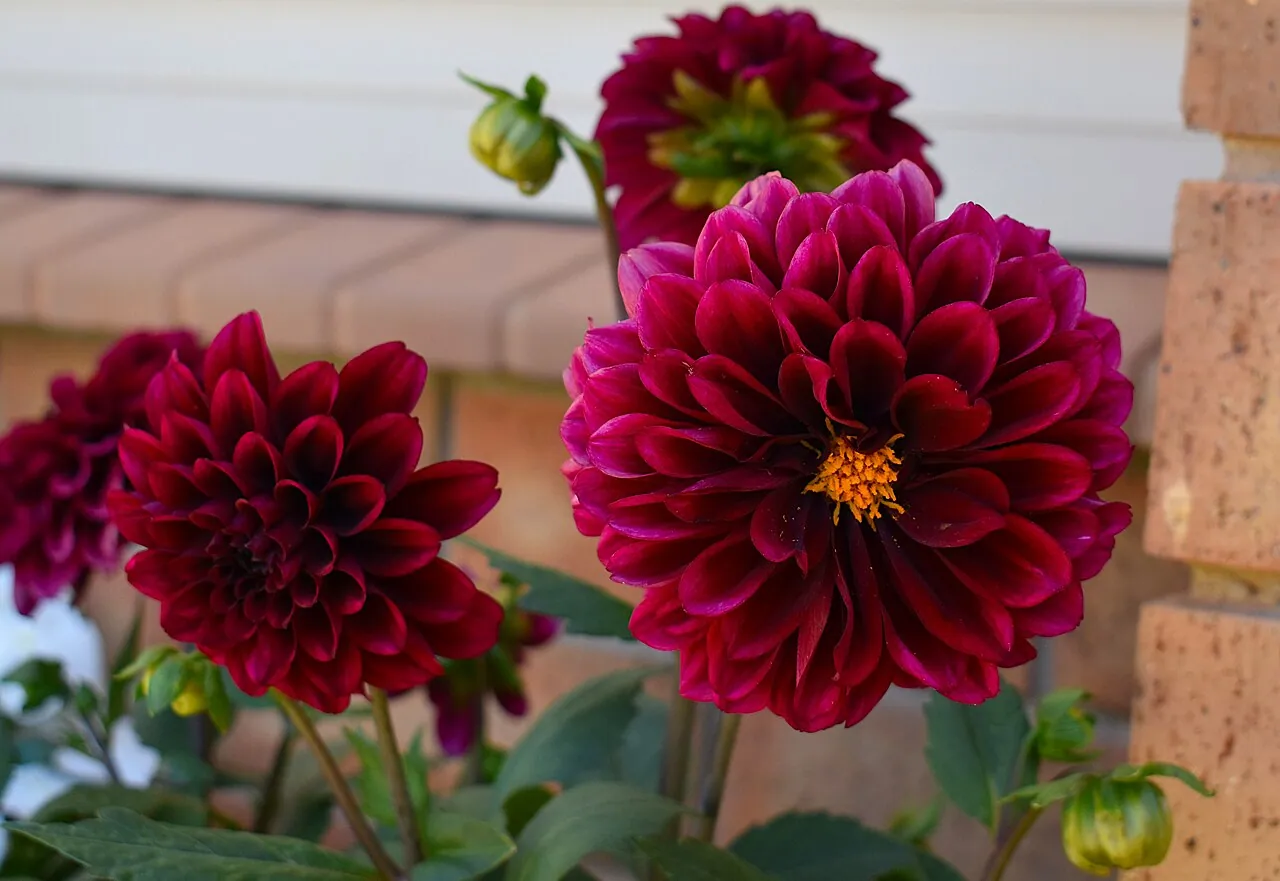
The first dahlia flower depends on a sound crown, a frost-safe start and support placed early enough to avoid disturbing the developing root system.
The flower garden
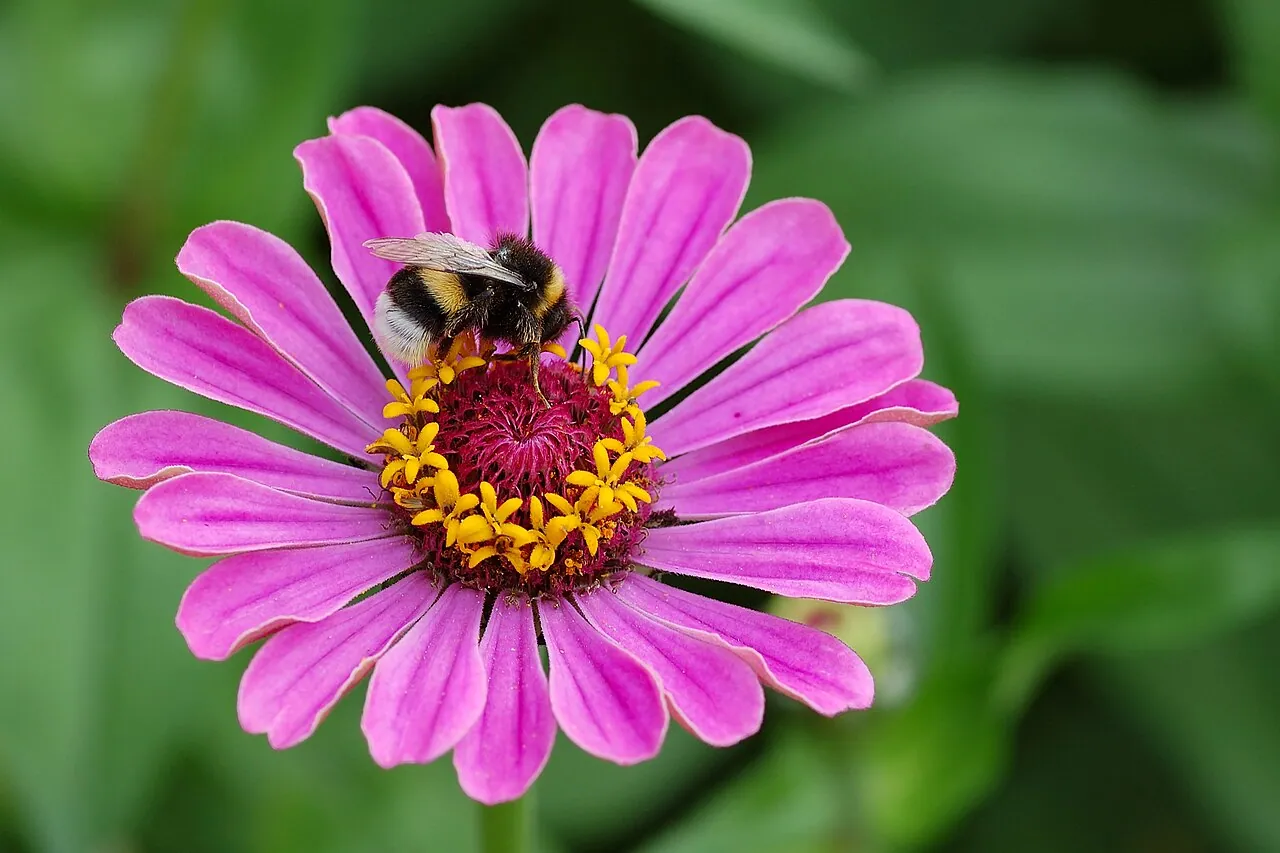
Zinnias reward warm soil, open spacing and well-timed cuts; a small second sowing can be more useful than trying to make tired plants flower forever.
The flower garden
The right sunflower is chosen by its branching habit and mature footprint, not by the size of the smiling bloom pictured on a seed packet.
The flower garden
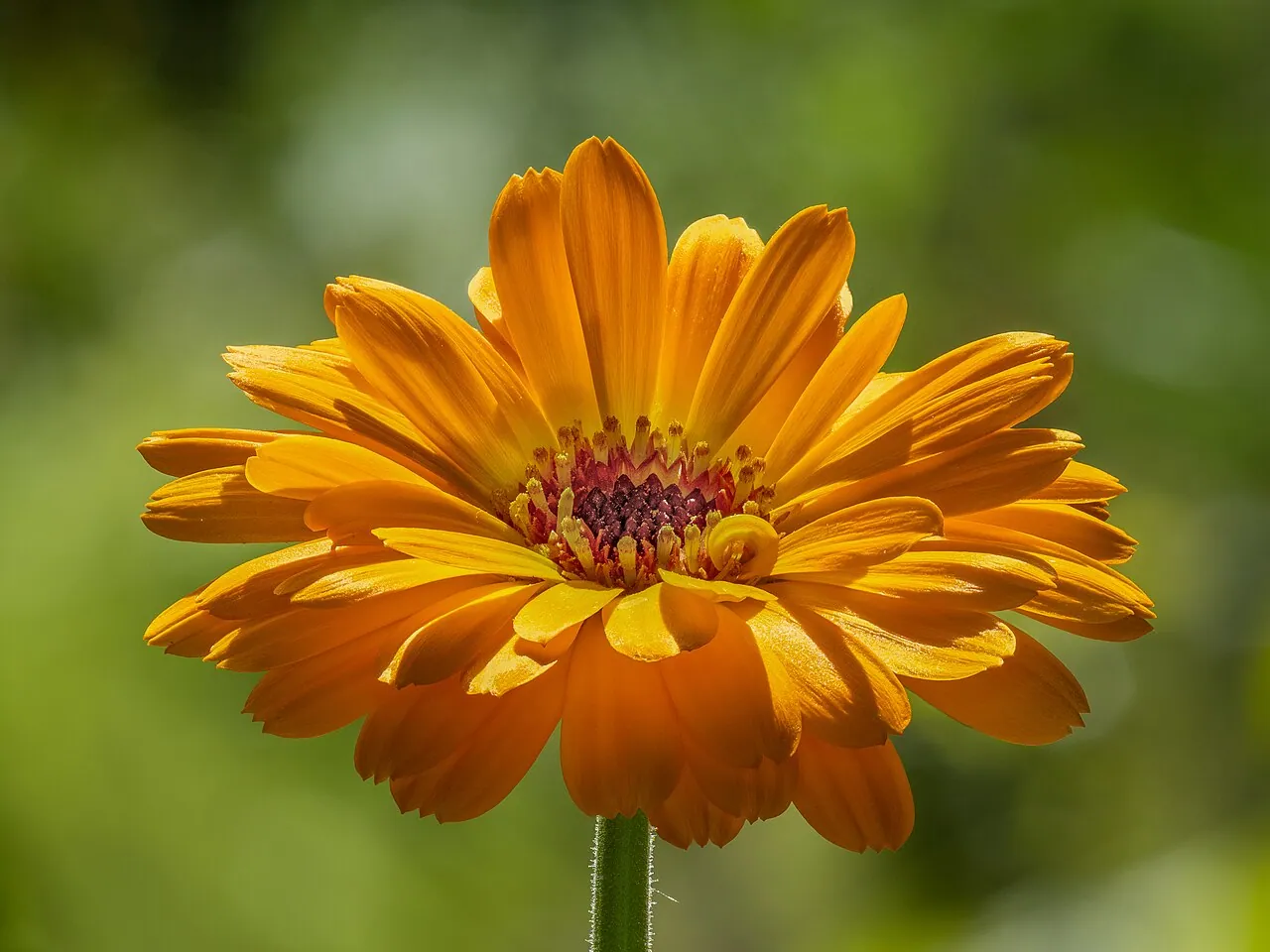
Calendula often pauses when heat becomes stressful; selective deadheading, a modest trim and a fresh sowing can each have a different role in extending the display.
The flower garden
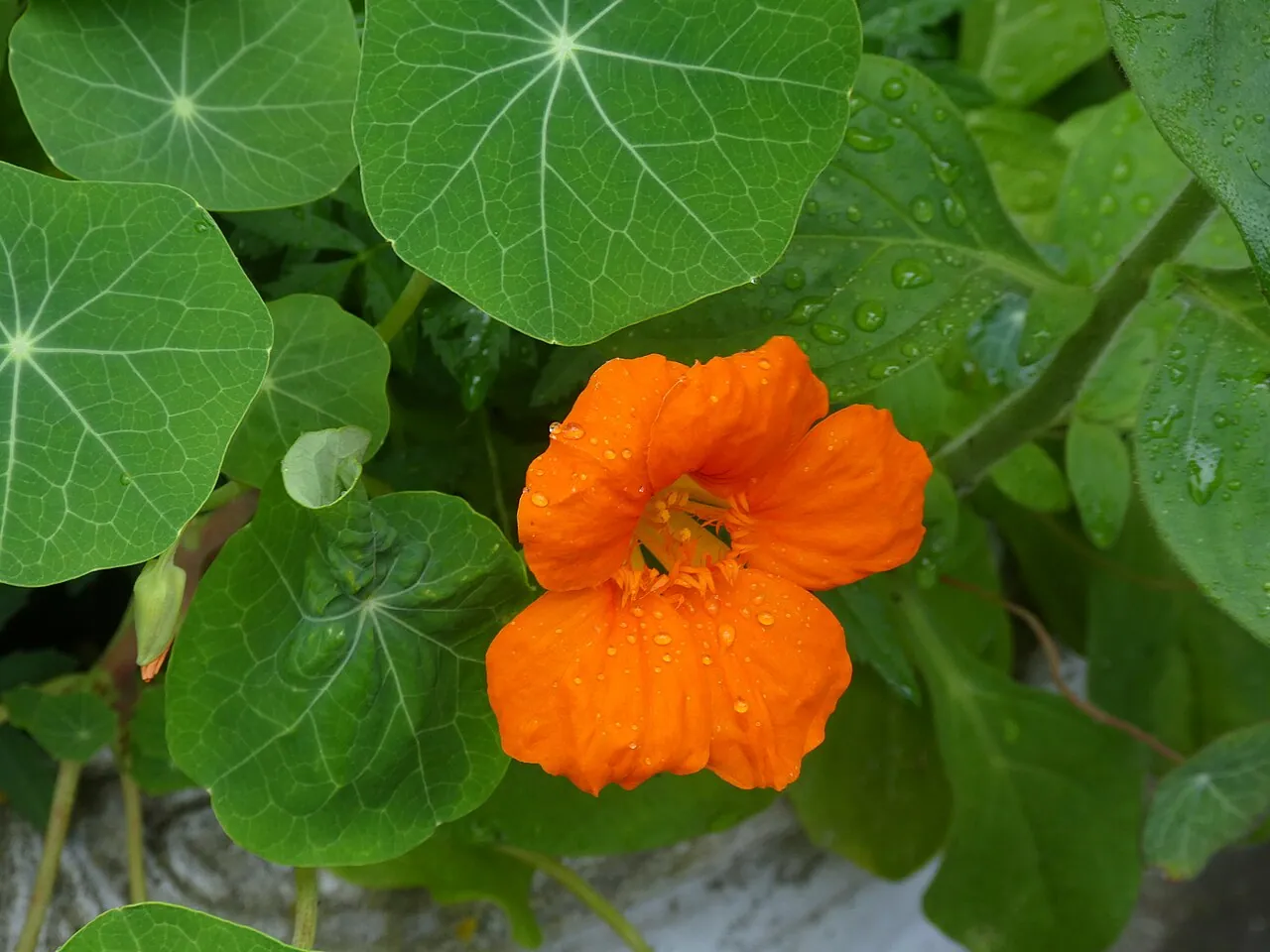
Nasturtiums can spill elegantly or swallow a path; controlling the outline begins with choosing a bush or climbing habit before the seedlings enter the bed.
The flower garden
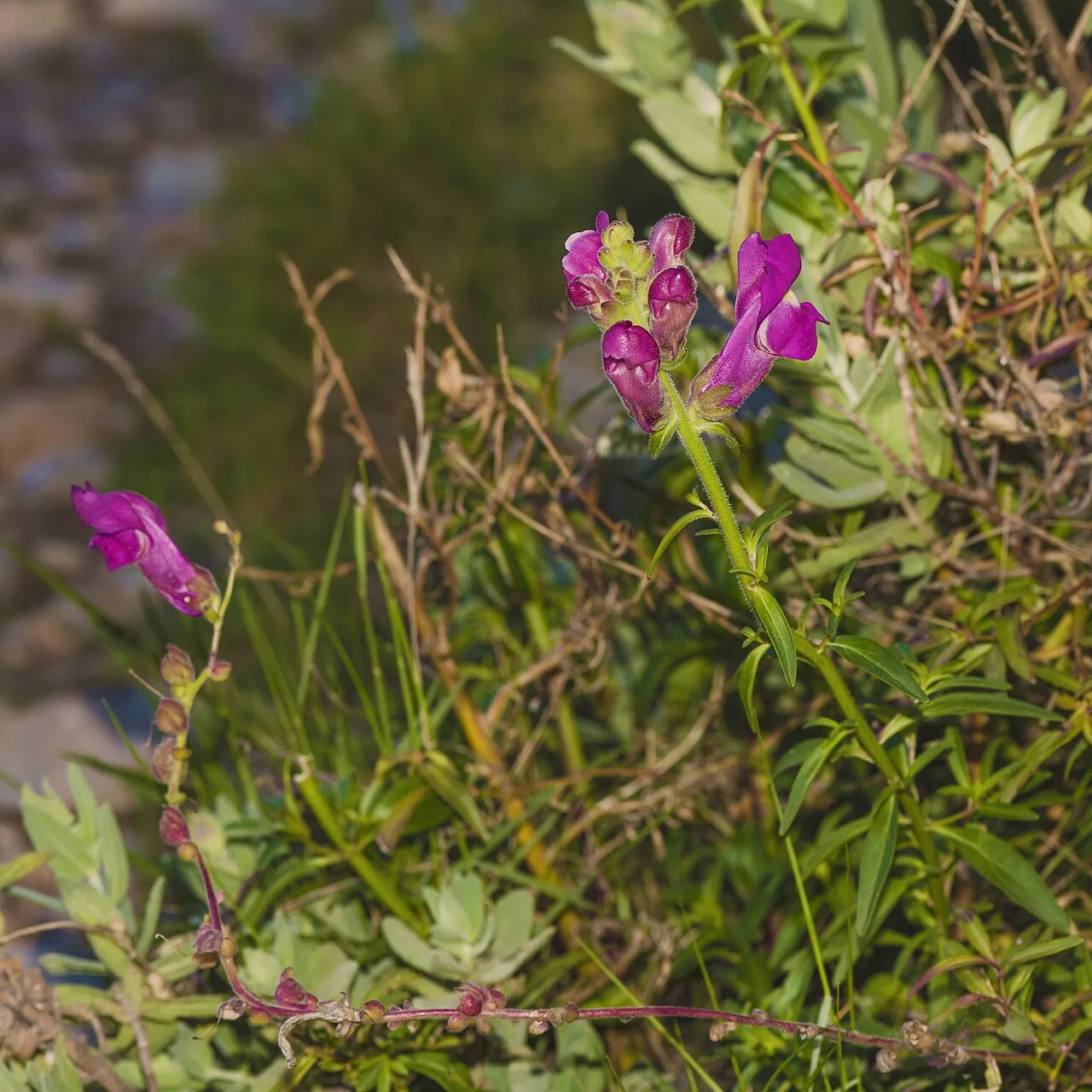
Snapdragons bring vertical rhythm to a border, but the tallest forms need room, early support and a climate-aware plan for pauses during hot weather.
The flower garden
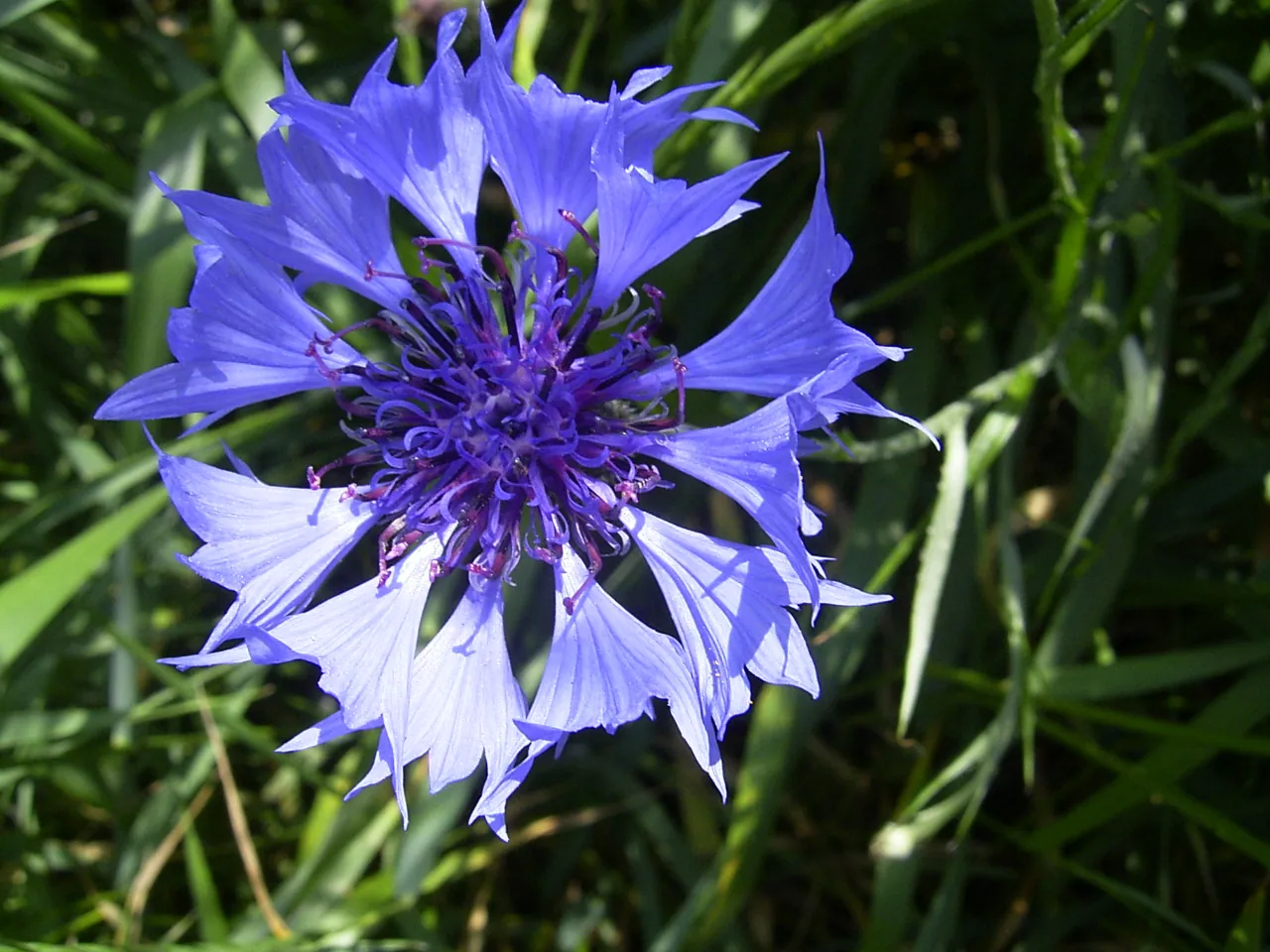
A restrained cornflower sowing is easier to thin, support and harvest than a blue carpet of crowded seedlings, especially in a small sunny border.
The flower garden
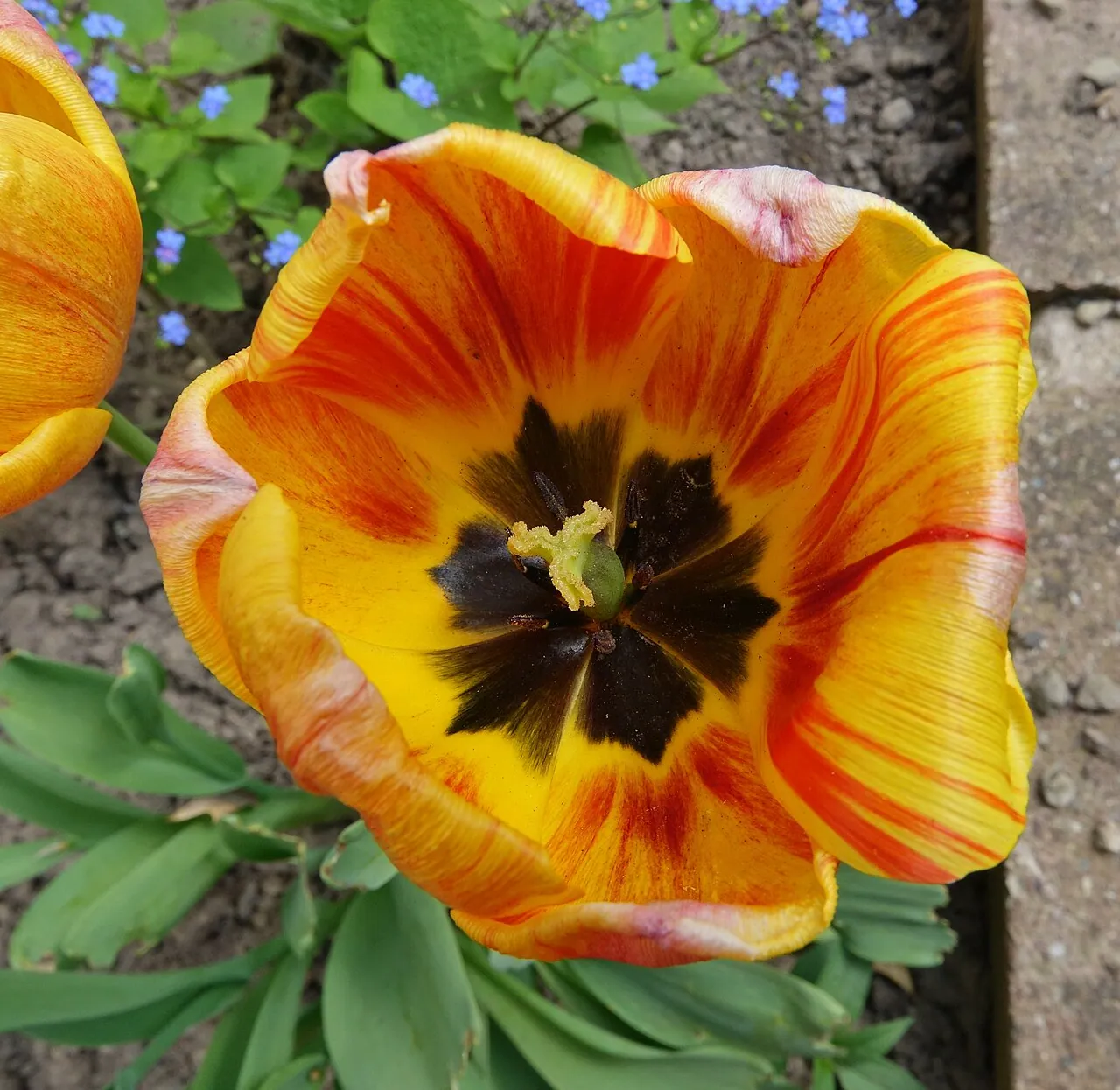
A repeat tulip display starts with realistic expectations: some selections return more reliably than others, and a beautiful first spring does not prove long-term suitability.
The flower garden
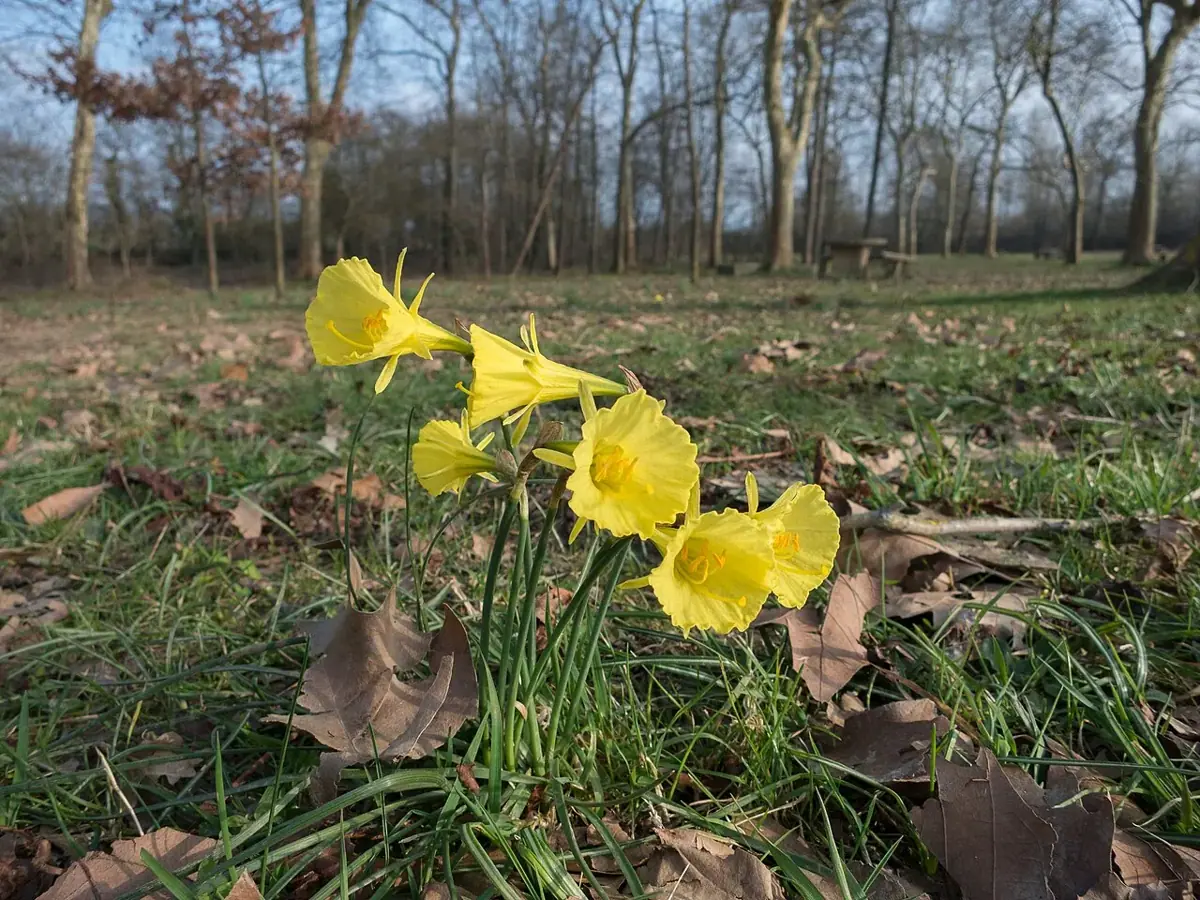
The weeks after daffodil flowers fade determine what the bulbs can store; a thoughtful border gives their leaves time without turning the garden into a waiting room.
The flower garden
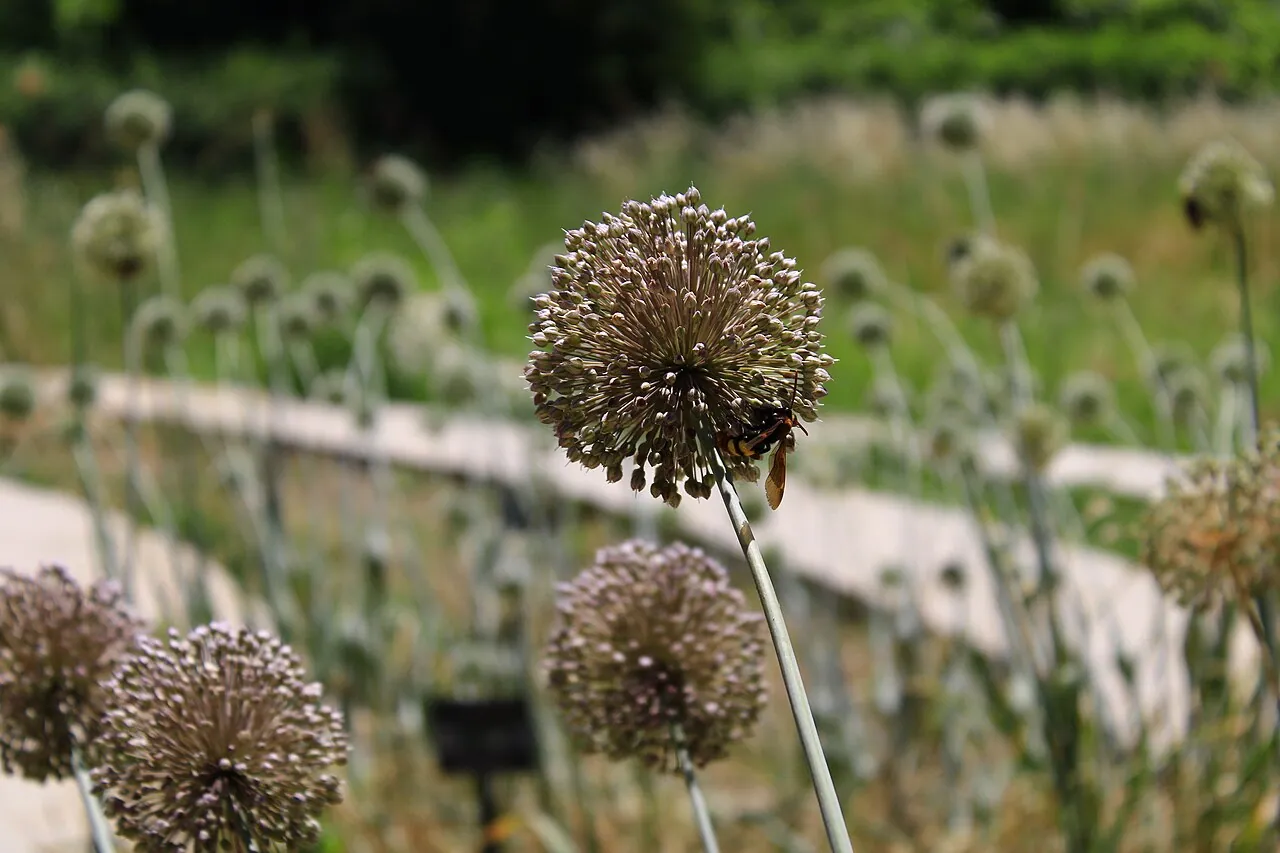
Allium globes look their best above a lower layer of foliage, but the companion planting must conceal fading leaves without burying or overcrowding the bulbs.
The flower garden
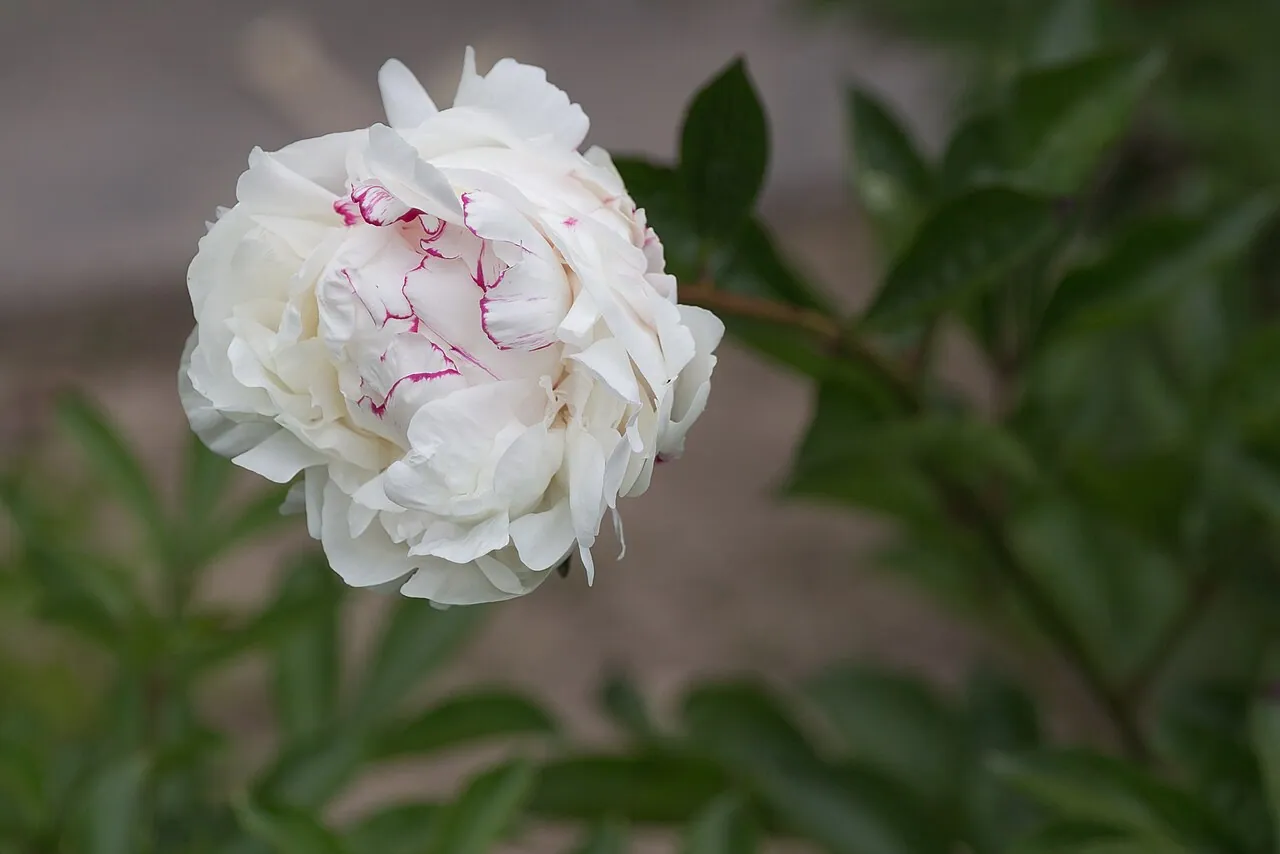
For herbaceous peonies, planting depth is a small measurement with a long consequence; identify the growing eyes and allow time before disturbing a slow-starting clump.
The flower garden
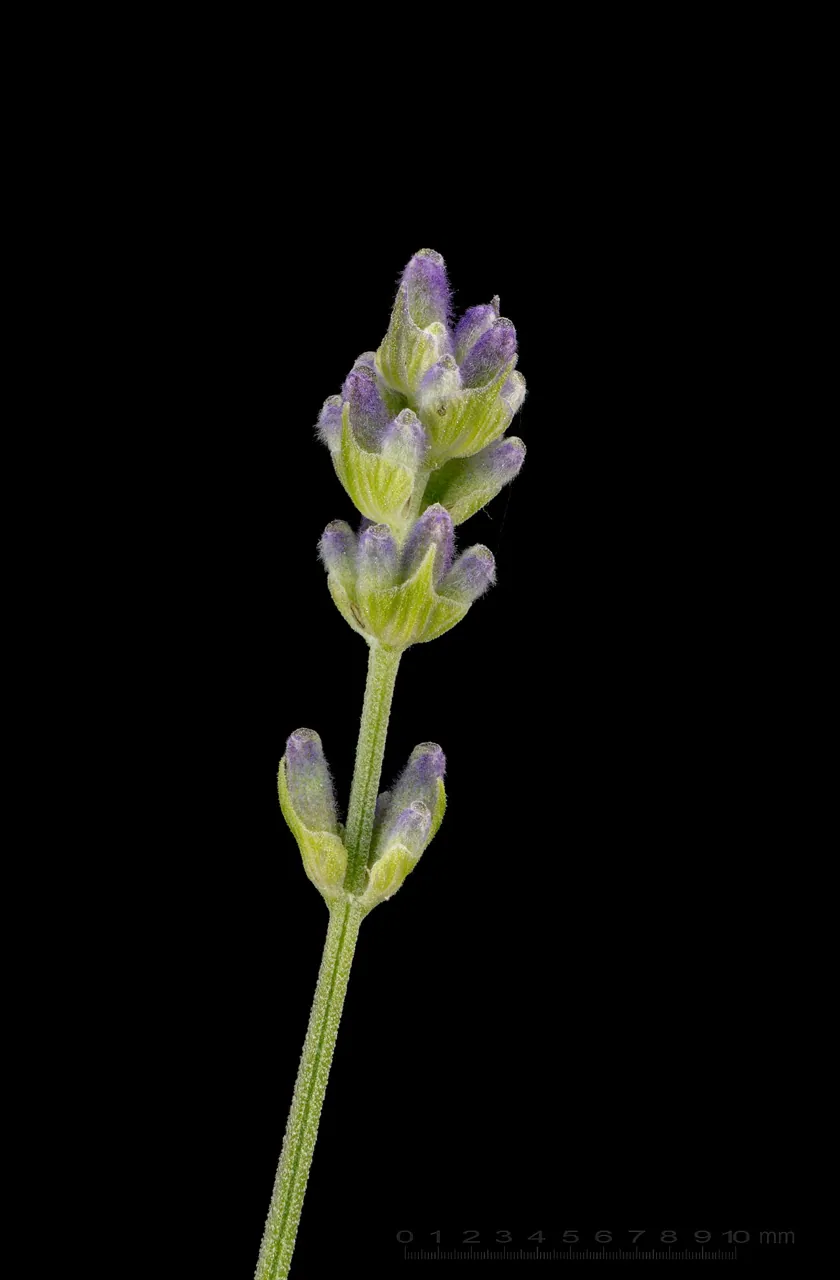
Lavender's compact shape depends on more than sunshine: its roots need drainage, its crown needs space, and its annual trim must respect the remaining leafy growth.
The flower garden
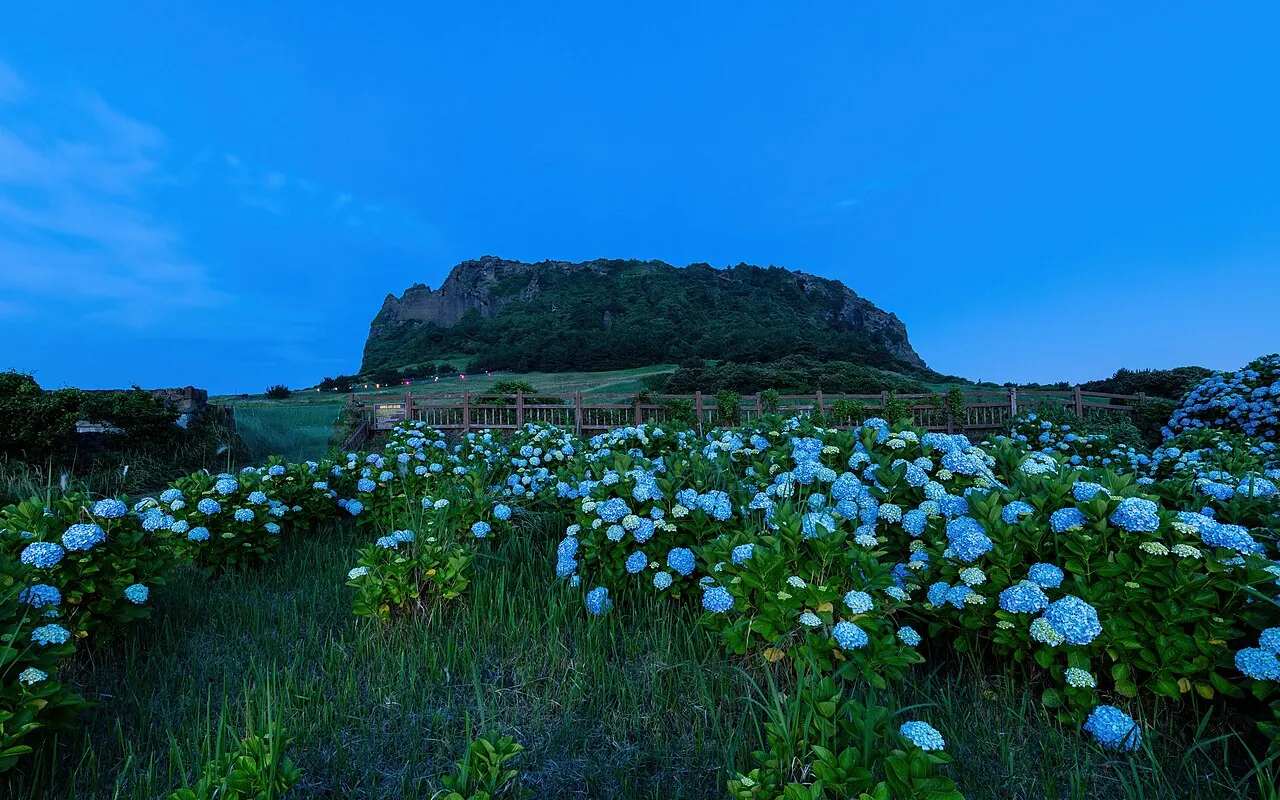
Hydrangea pruning begins with identification, because removing last year's stems can remove this year's flowers on one type while being appropriate for another.
The flower garden
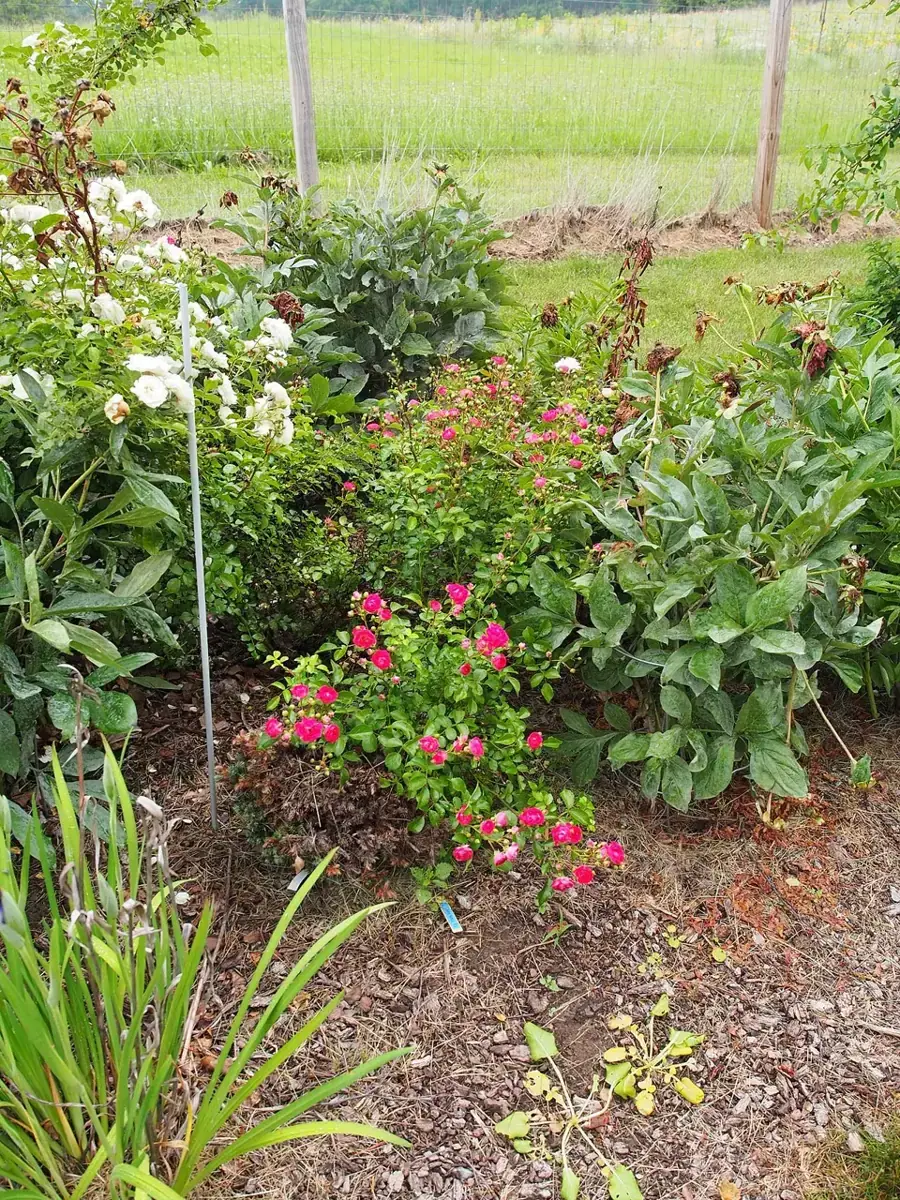
A container rose needs a deep, workable root space and a position you can water easily; choosing a compact cultivar is only the first part of the arrangement.
The flower garden
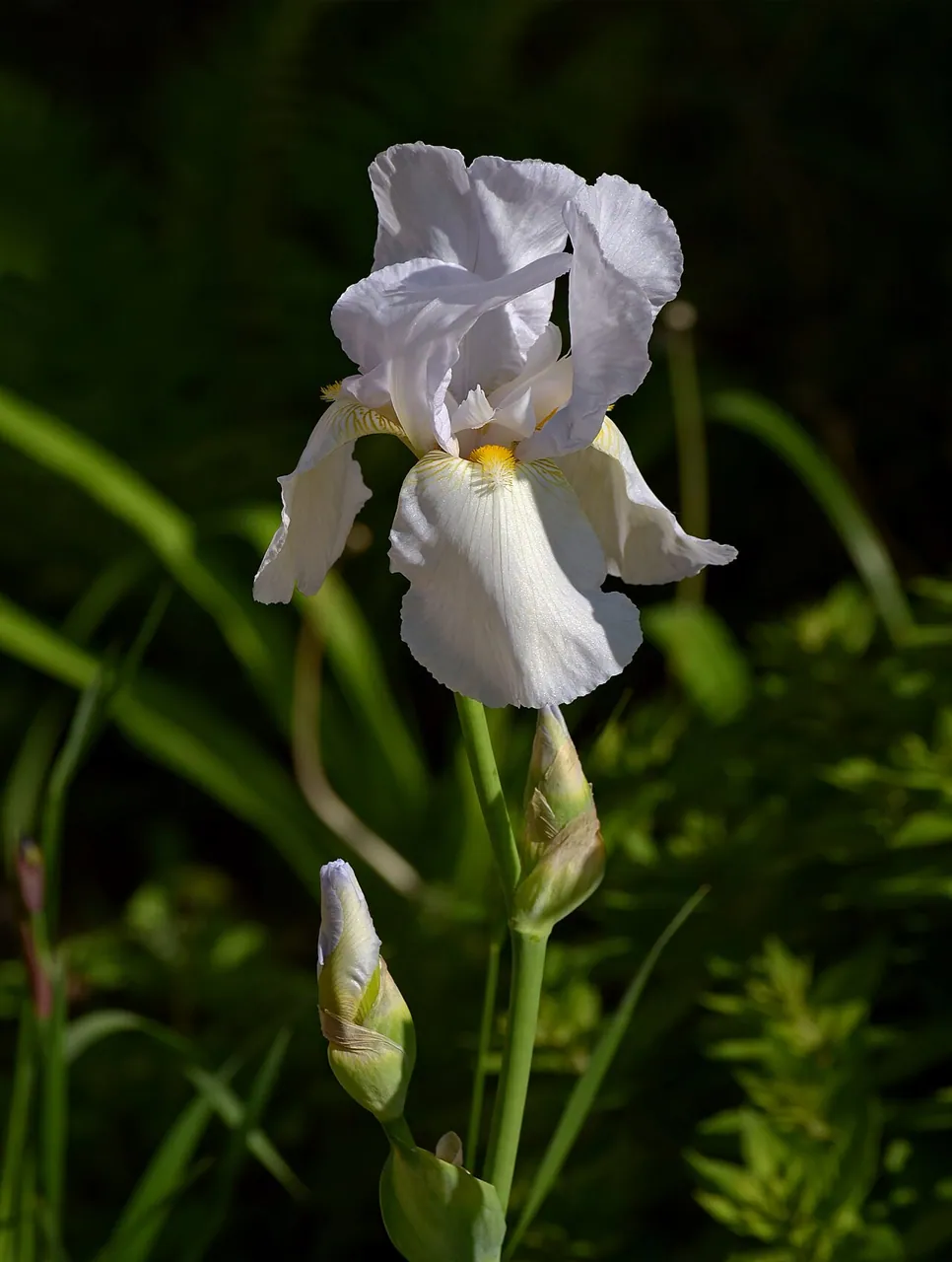
An iris may grow from a bulb, a surface rhizome or a fibrous-rooted clump; identifying that structure prevents the wrong planting depth and watering routine.
The flower garden
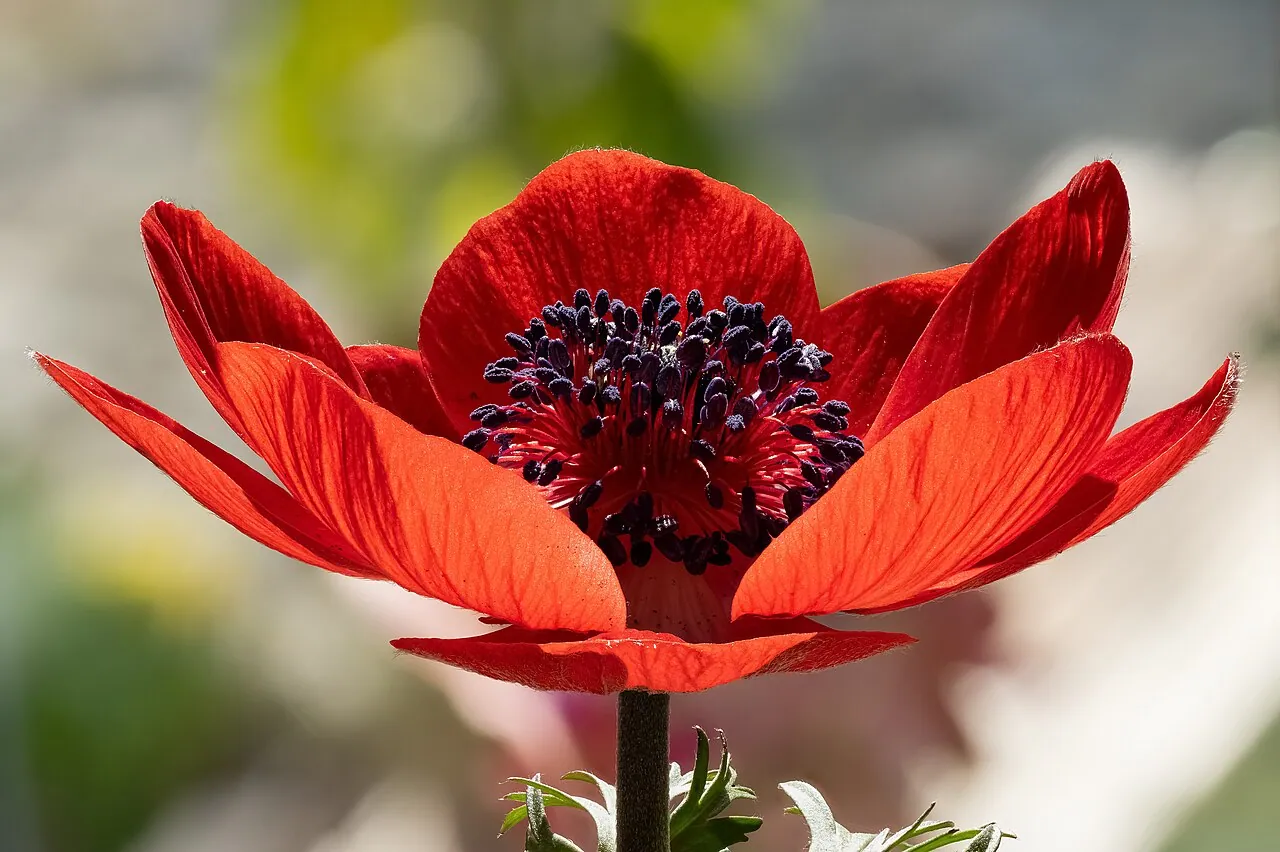
Anemones can bridge very different parts of the year, so choose the species first and build the planting plan around its own season, hardiness and dormant period.
The flower garden
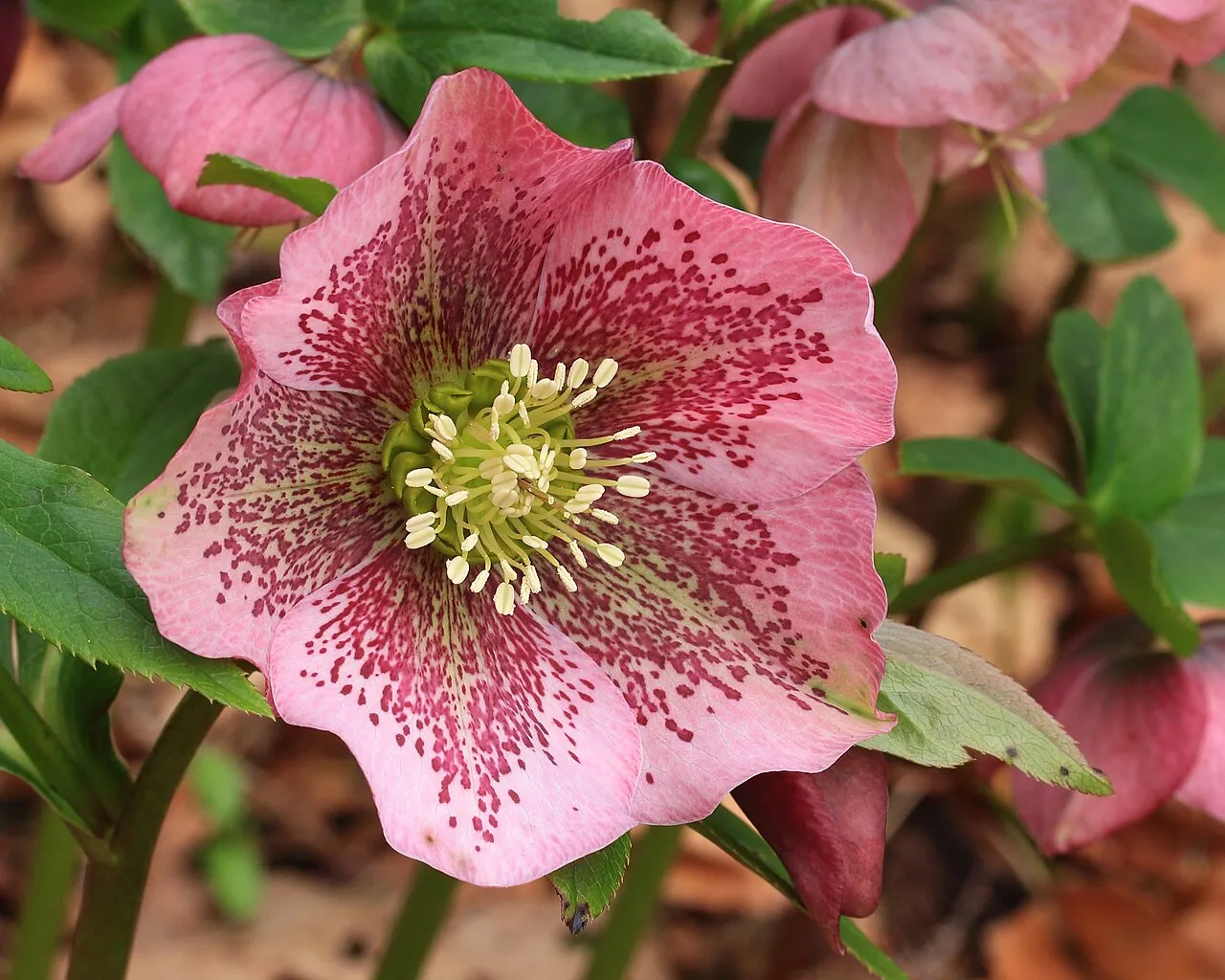
A hellebore belongs where winter flowers can be seen at close range, with shelter, suitable soil and enough access to remove tired leaves without damaging emerging buds.