The edible corner
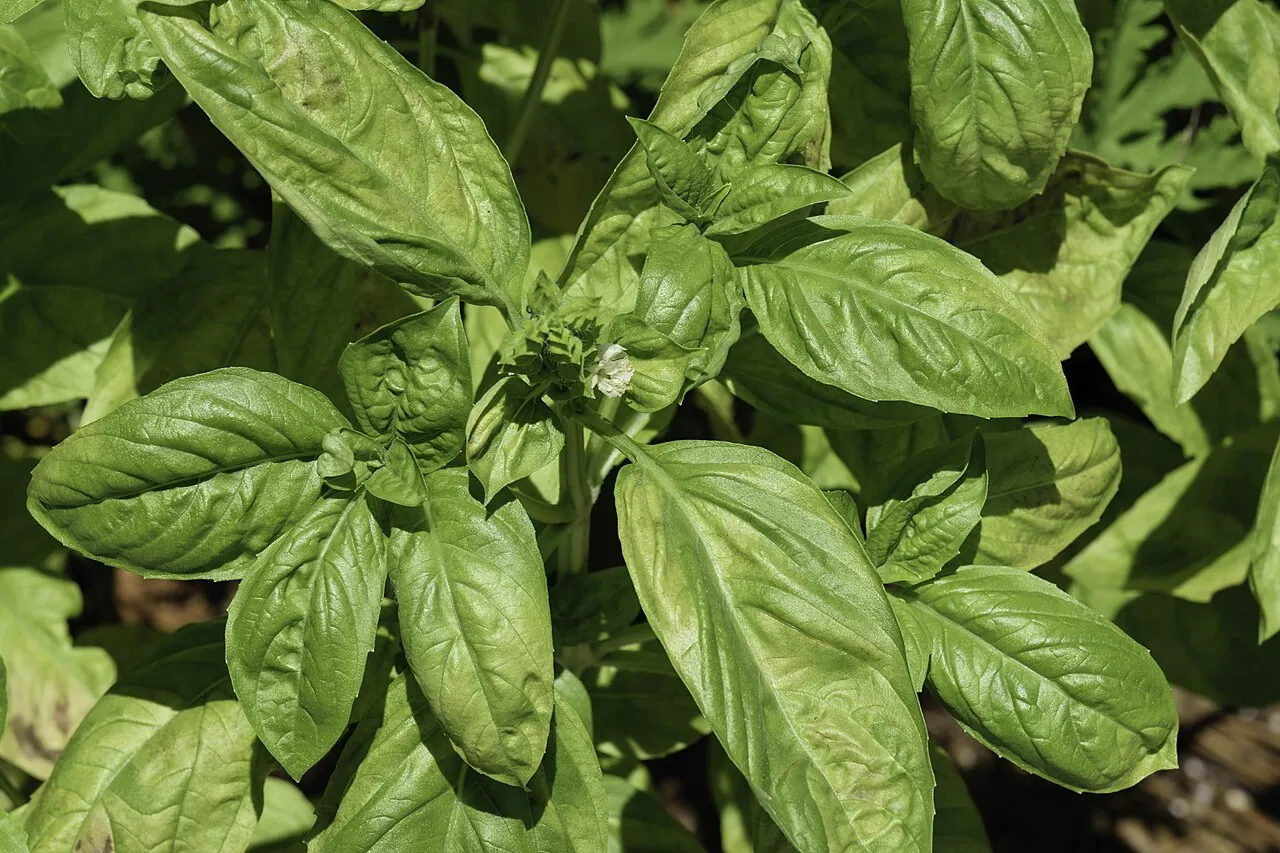
Basil harvests that leave room to regrow
Basil becomes more useful when harvesting also shapes the plant. Take leafy shoot tips, preserve enough growth and match each picking to the warmth and light available.
2 min read
A little dirt.
A little patience.
A handful of herbs, a bowl of leaves, something you grew yourself. Useful ideas for a little kitchen garden.
Pick a page. Stay a while.
A shared herb pot needs more than a pleasing mixture of leaves. Match moisture, light and growth habits so one useful herb does not overwhelm another.
Open this story ↗The edible corner
Basil becomes more useful when harvesting also shapes the plant. Take leafy shoot tips, preserve enough growth and match each picking to the warmth and light available.
The edible corner
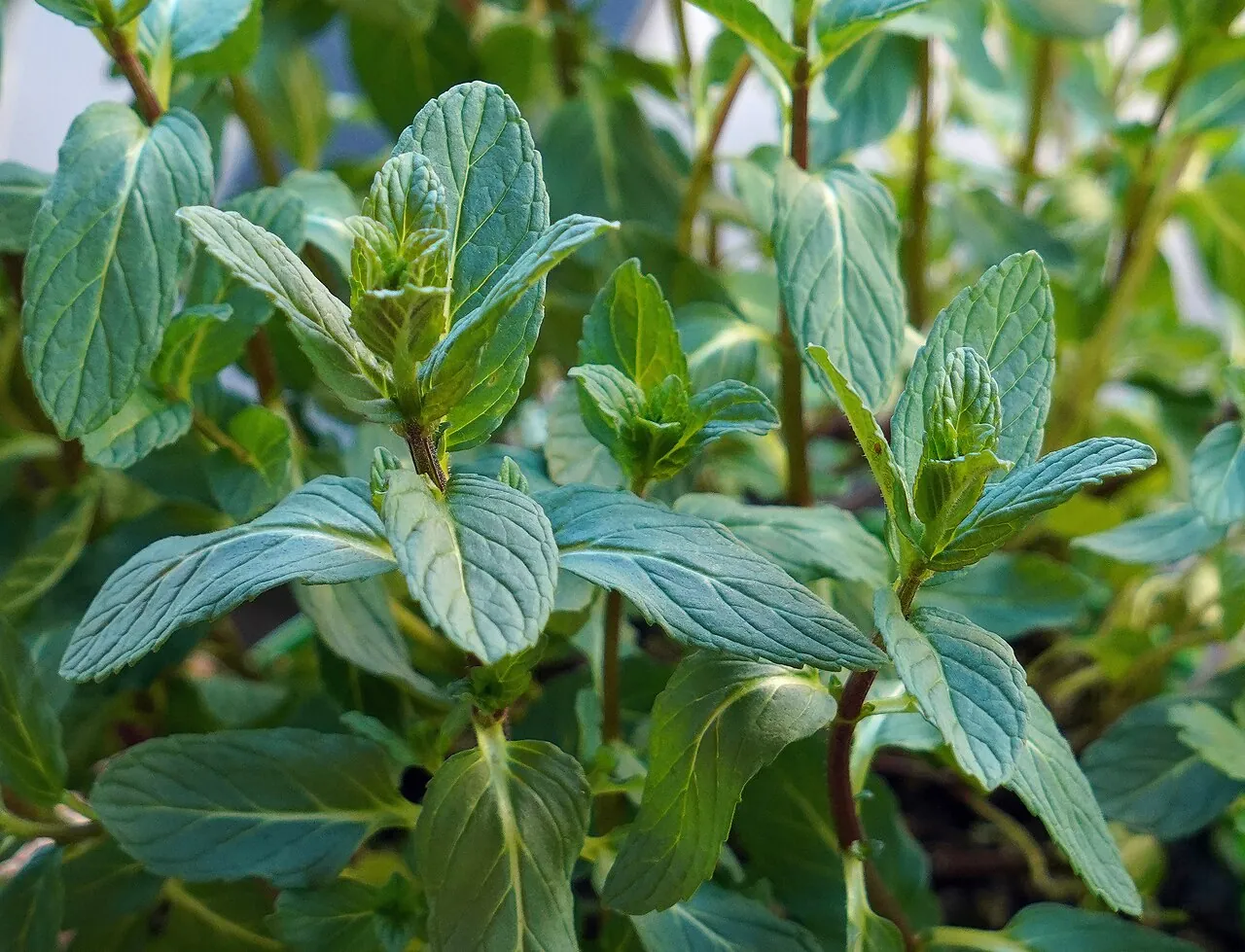
Mint is easier to enjoy when its spreading roots have a clear boundary. Give it a separate container, then renew the clump before crowding reduces useful growth.
The edible corner
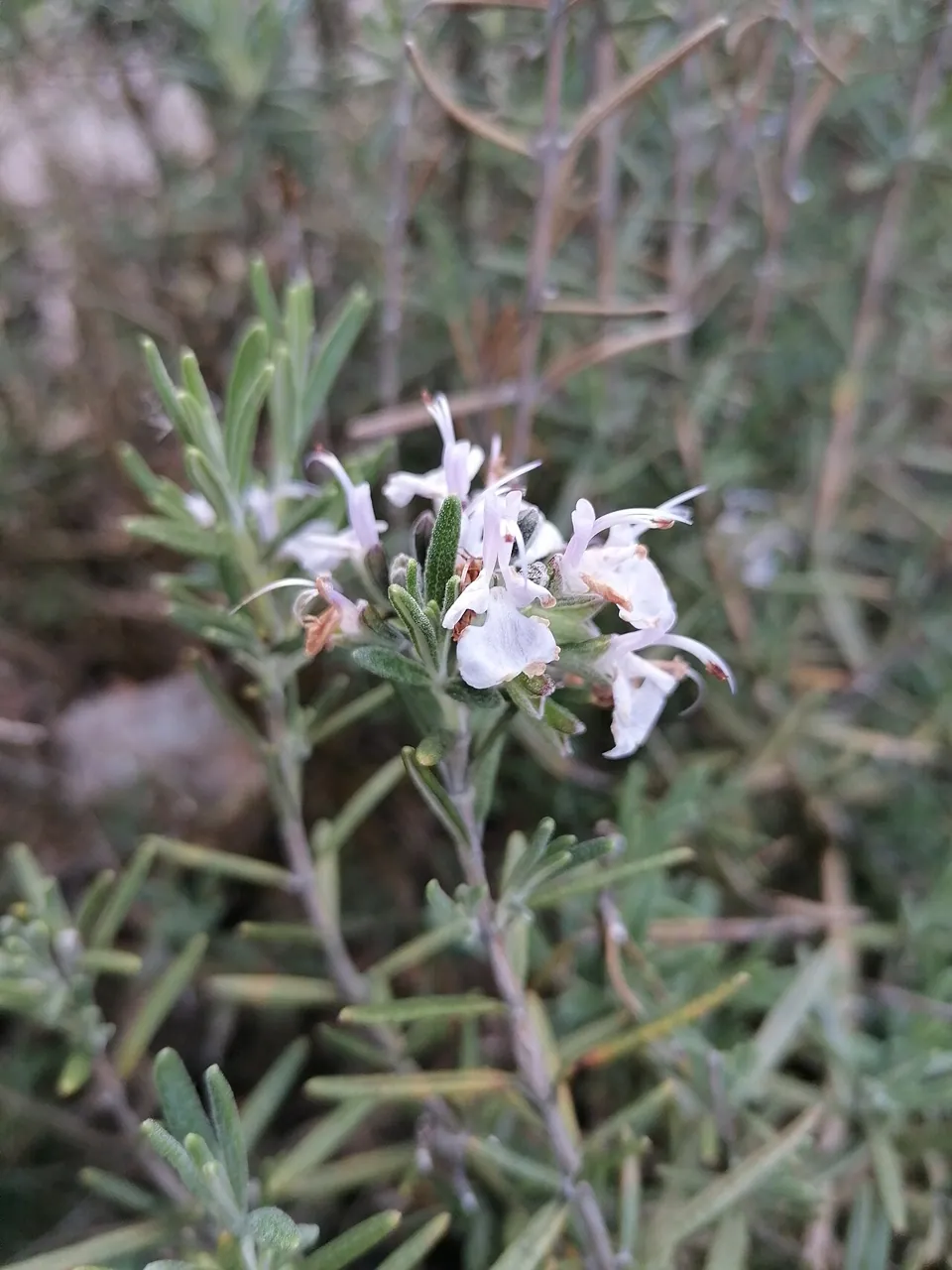
Rosemary's winter problems often involve wet roots as well as cold. Review the container, rainfall and shelter before moving a healthy plant into a warm room.
The edible corner
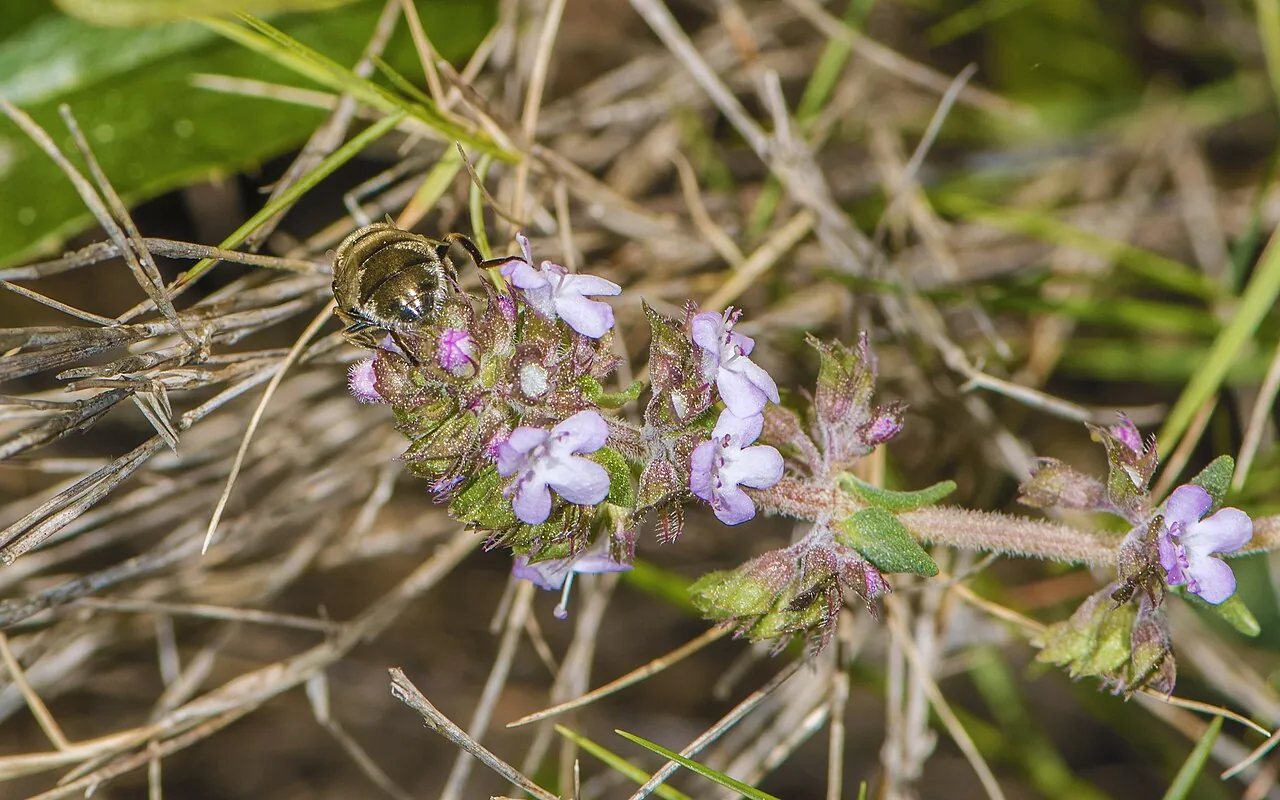
Thyme stays more useful when light harvesting and occasional trimming preserve leafy growth. Learn where to cut and when an old plant is better renewed.
The edible corner
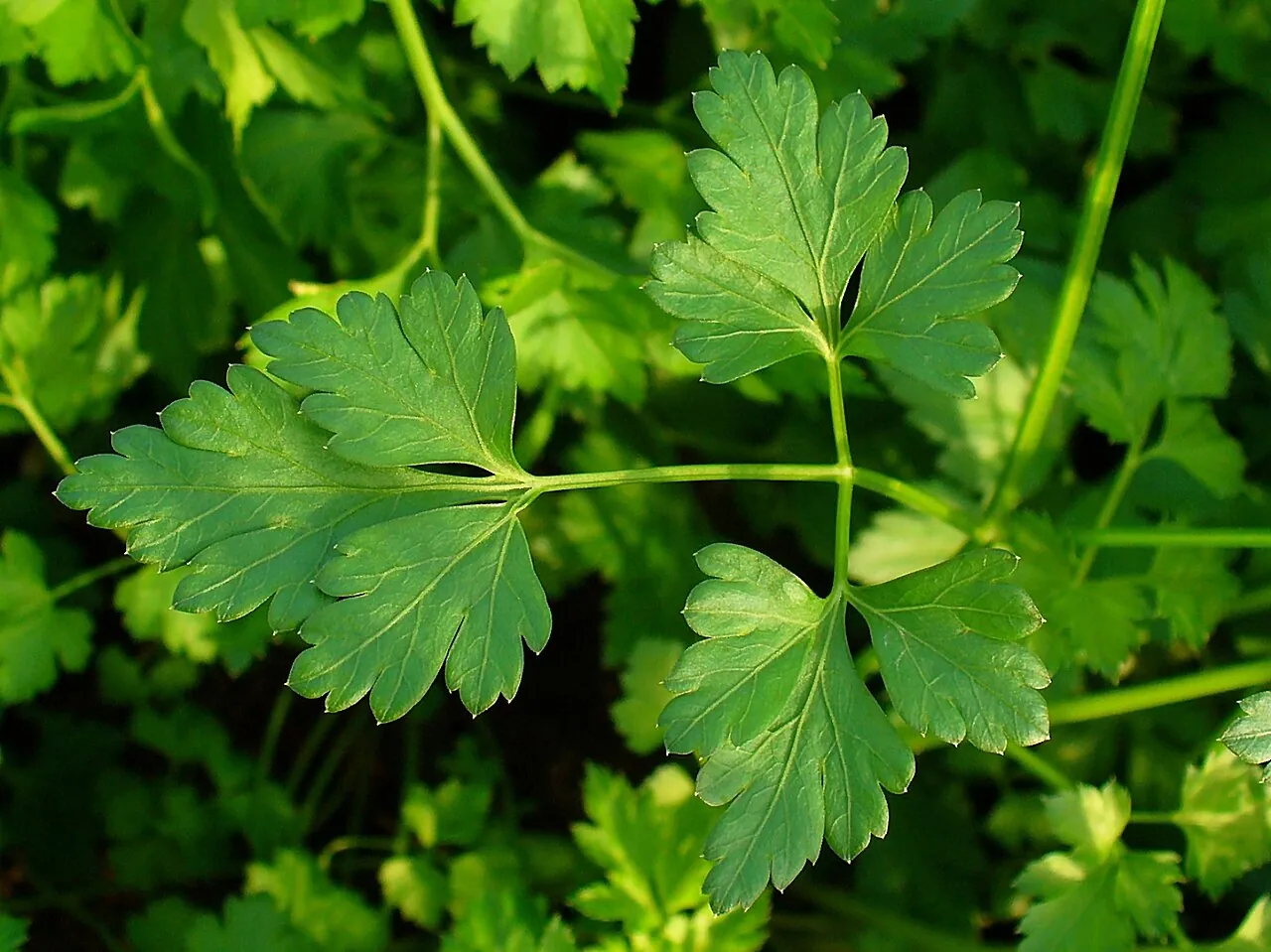
Parsley's second season has a different purpose from its first. Plan replacement sowings while harvesting outer stems, and decide whether older plants will supply seed instead.
The edible corner
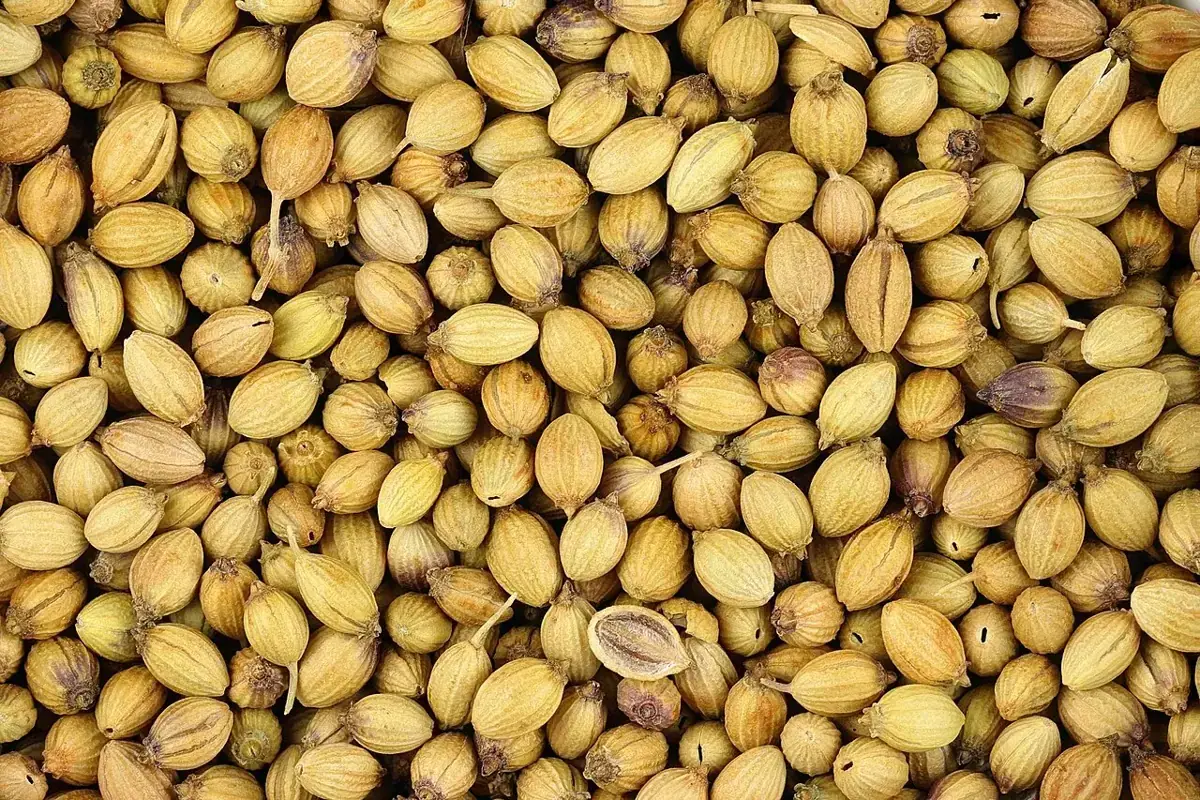
Coriander is more dependable as a sequence of small crops than one large sowing. Match batches to the weather and give flowering plants a different job.
The edible corner
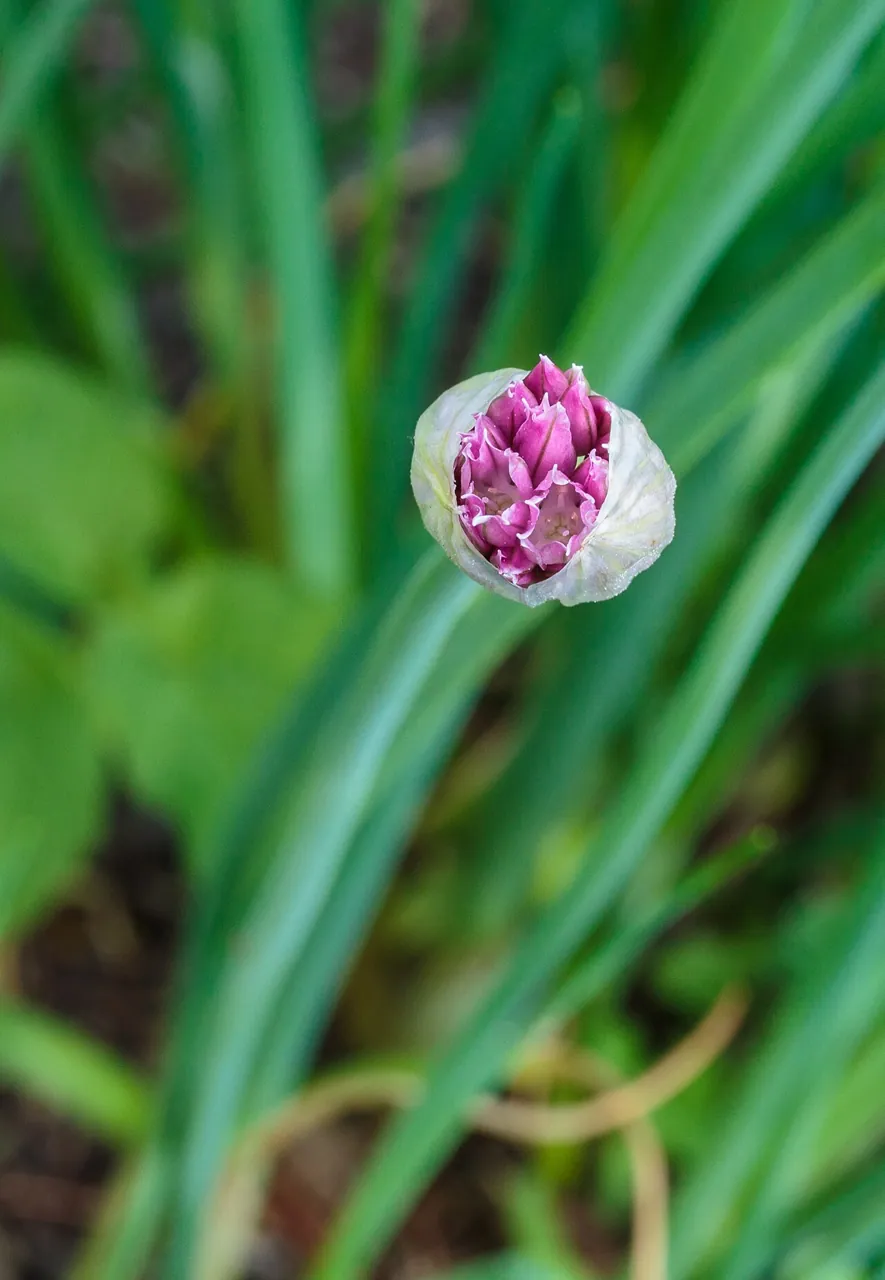
A chive clump can supply both flowers and fresh leaves for years. Divide congestion, rotate harvesting and allow renewed sections time to establish before heavy cutting.
The edible corner
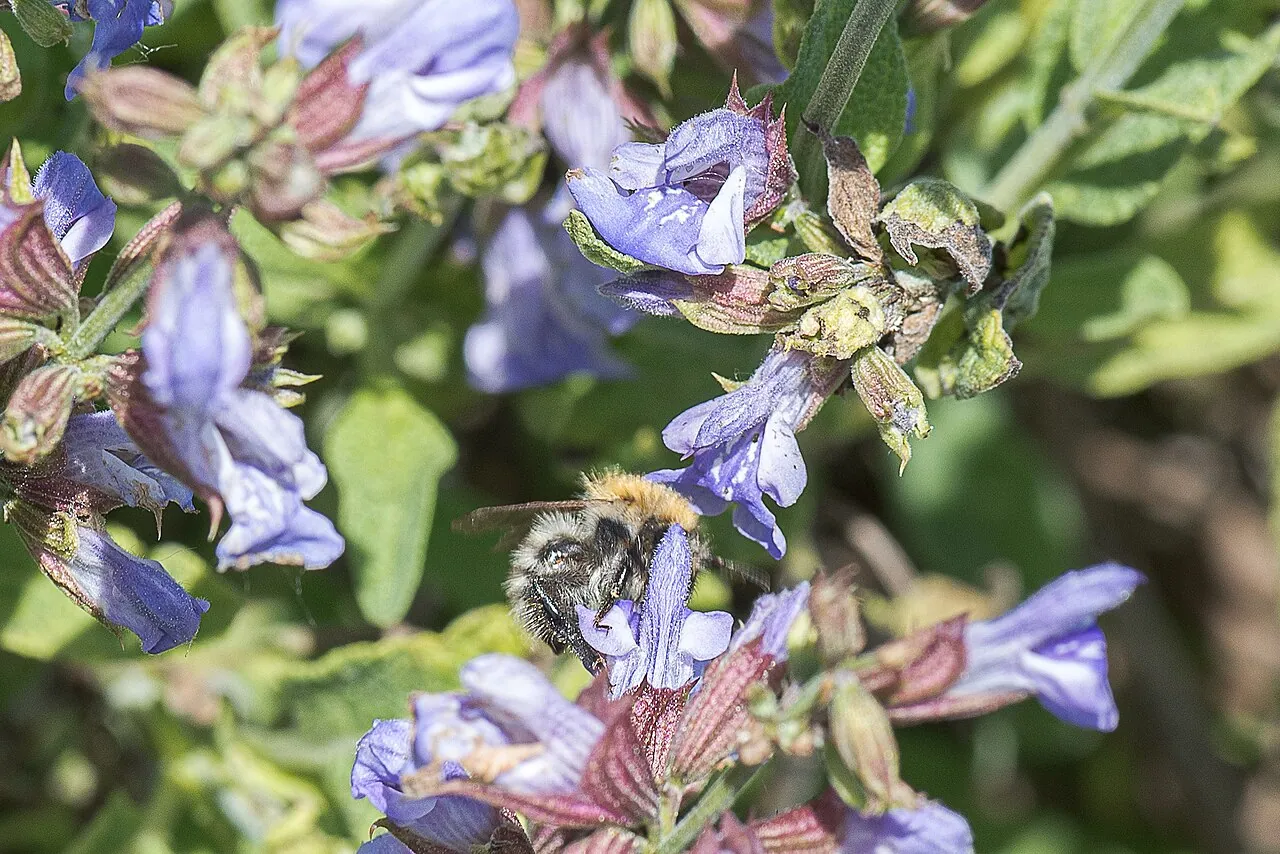
Common sage responds to careful shaping while leafy growth remains. Trace each branch before pruning, preserve living shoots and renew an ageing plant without relying on drastic cuts.
The edible corner
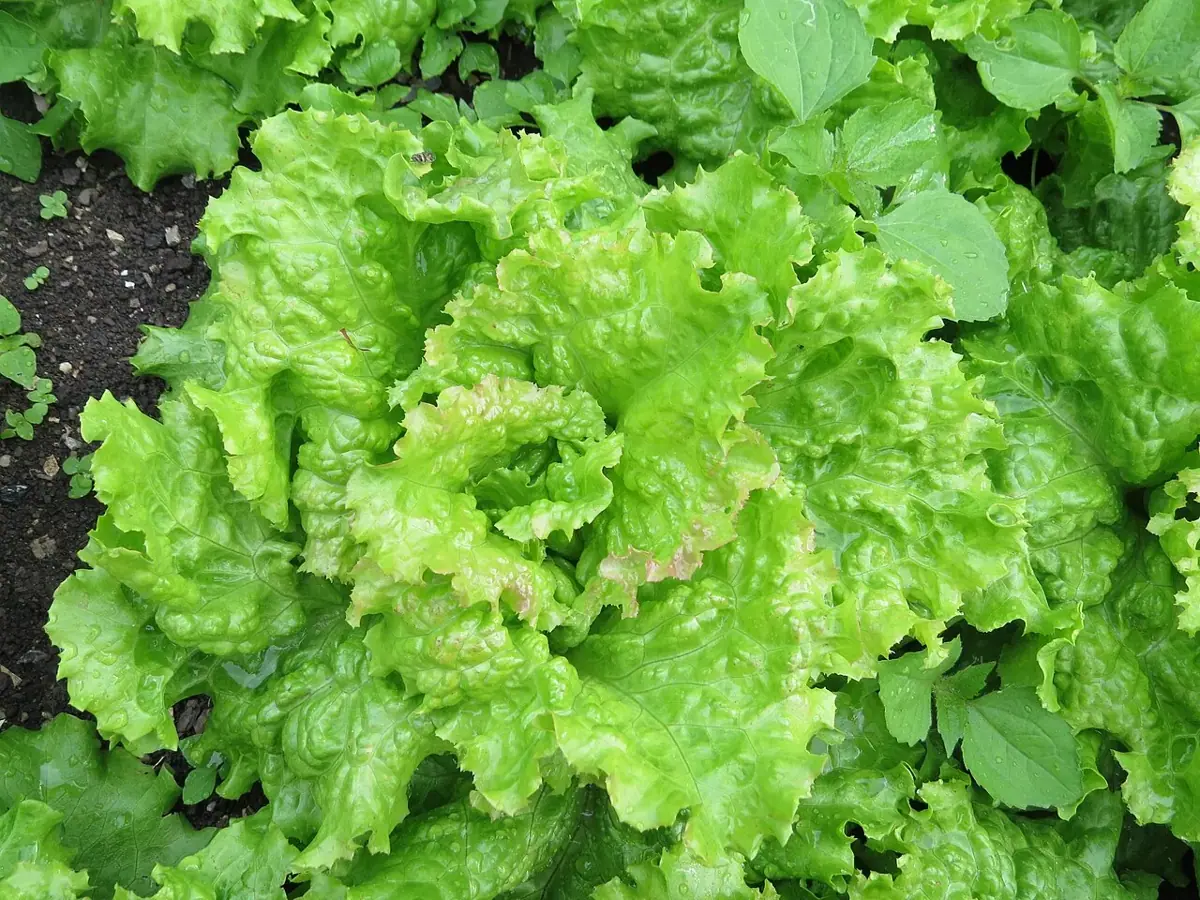
A modest growing box can provide useful lettuce leaves when its depth, moisture and harvest style agree. Choose a leaf crop and keep the next sowing ready.
The edible corner
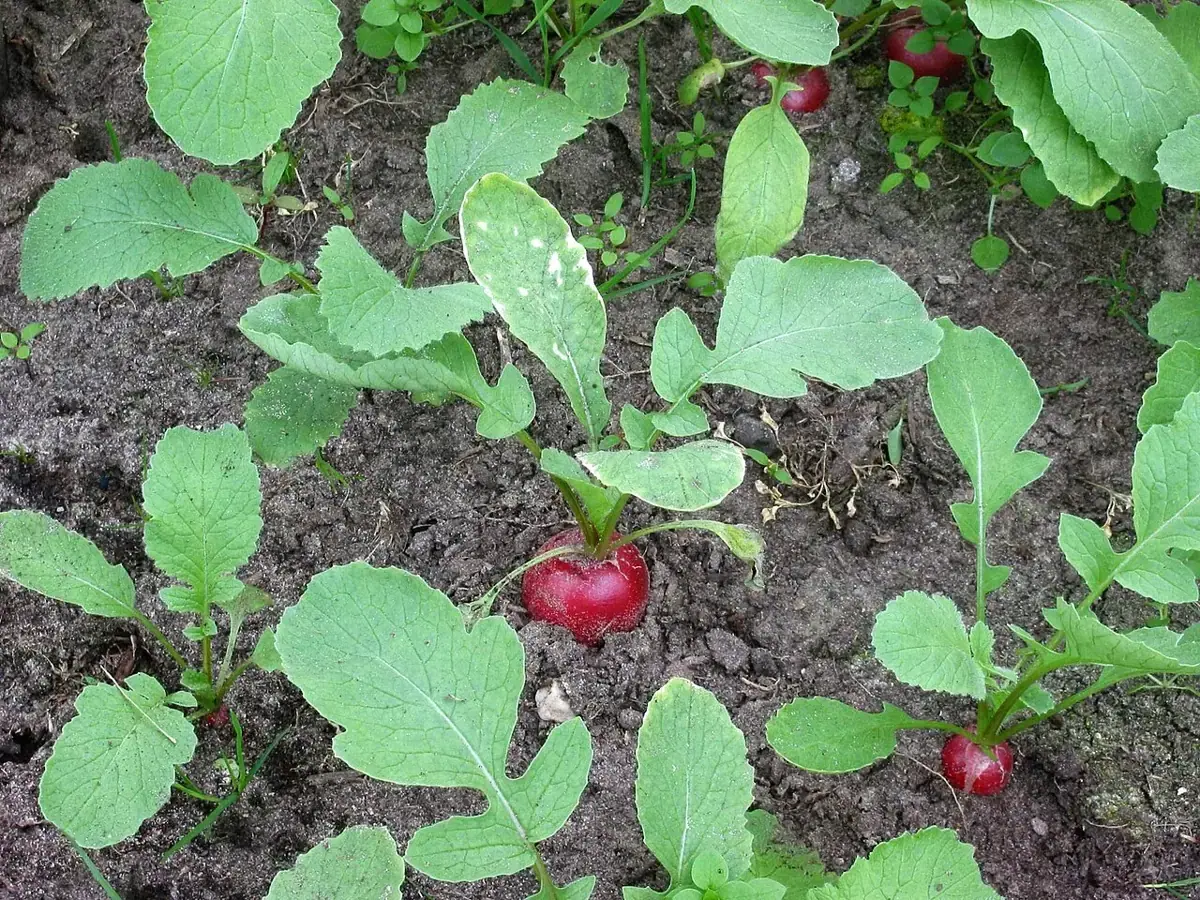
Radishes are quick crops with a short window of tenderness. Choose the correct seasonal type, avoid crowded seedlings and begin checking roots before the whole row looks impressive.
The edible corner
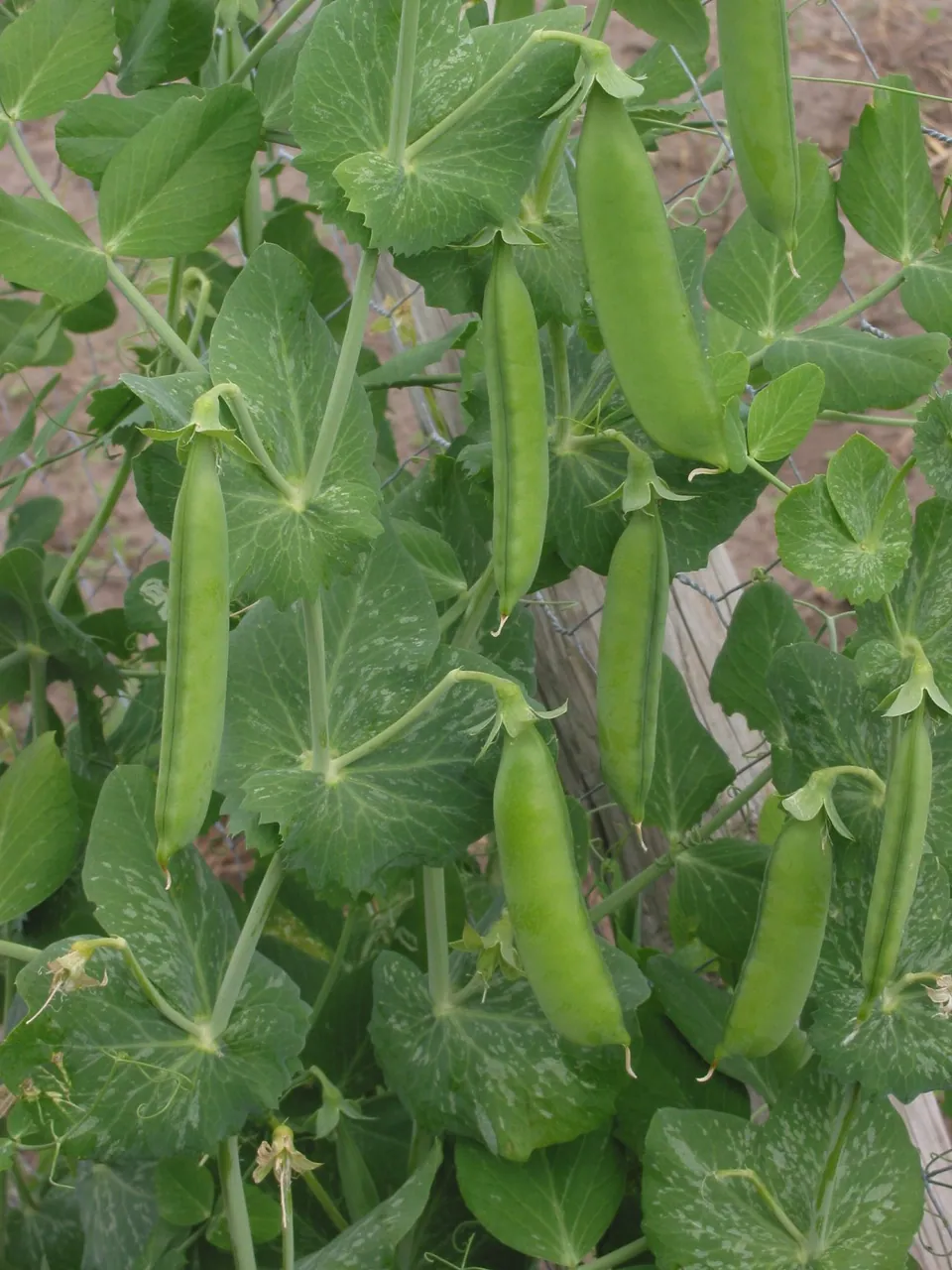
Peas climb more neatly when their tendrils find support early. Match the structure to the variety, leave harvesting access and distinguish the different stages of edible pods.
The edible corner
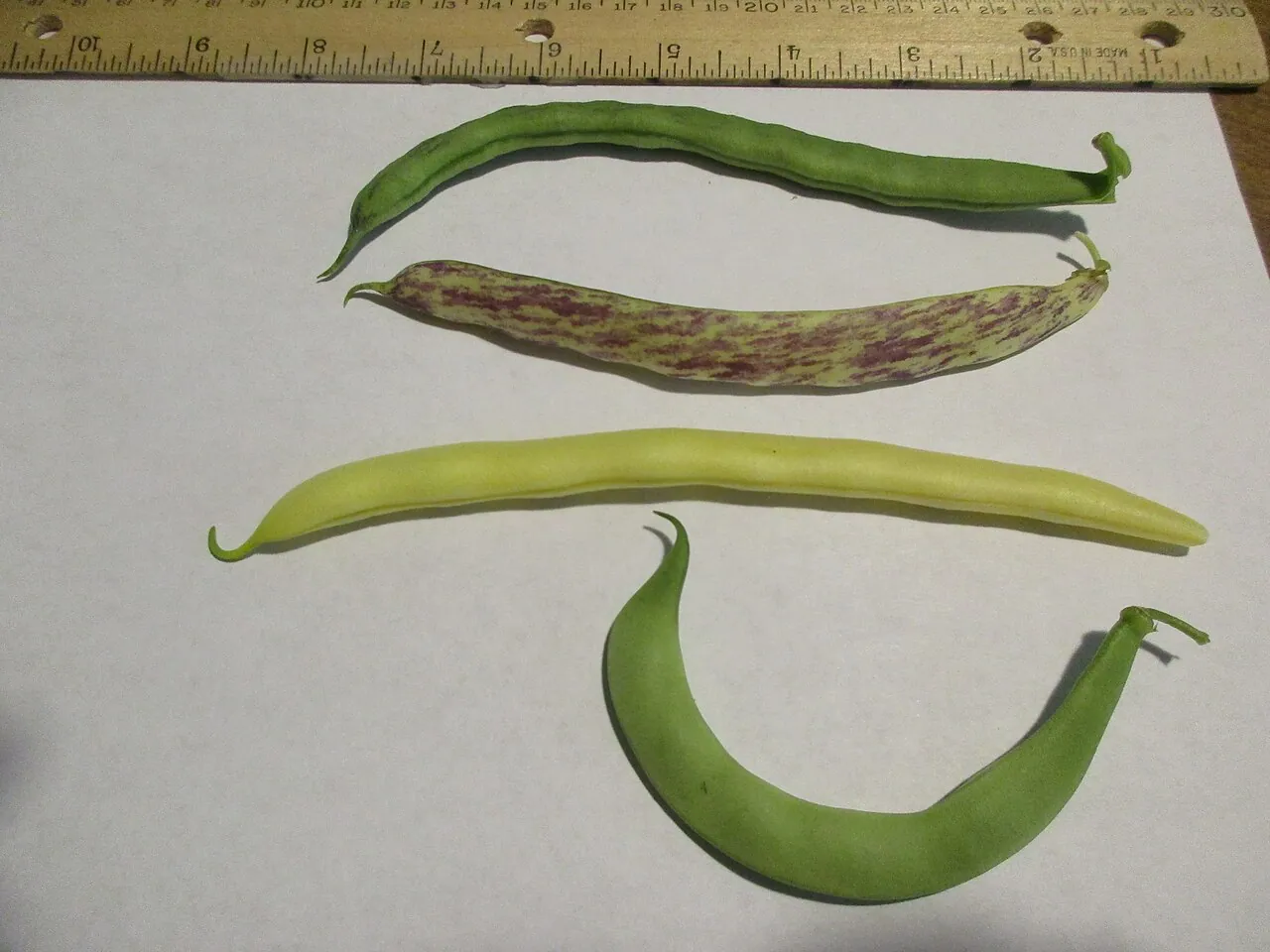
A climbing bean frame must carry a mature, rain-soaked crop. Plan stability and harvesting reach before planting, then help young stems find their route upward.
The edible corner
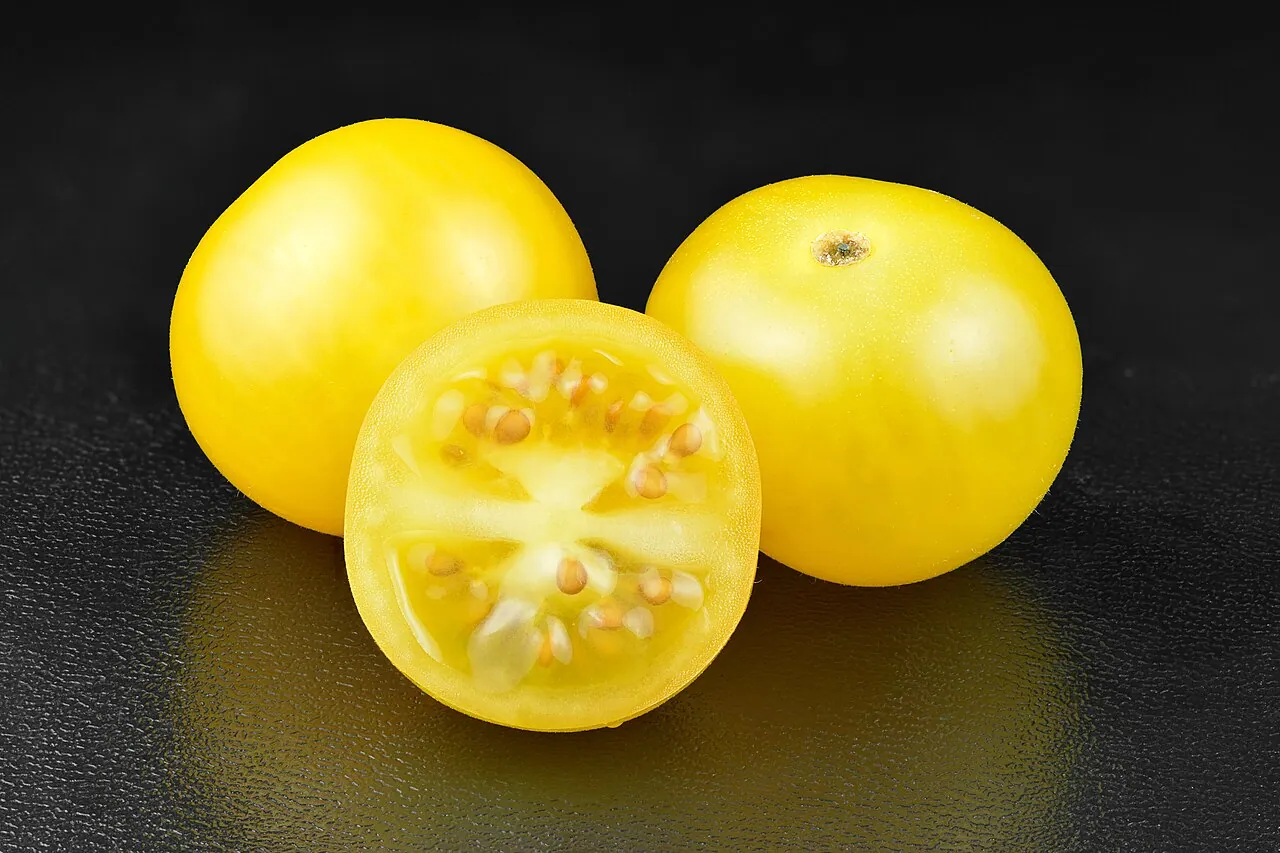
Tomato pruning begins with the plant's growth habit. Identify bush or cordon types before removing shoots, and give each the support and space its structure requires.
The edible corner
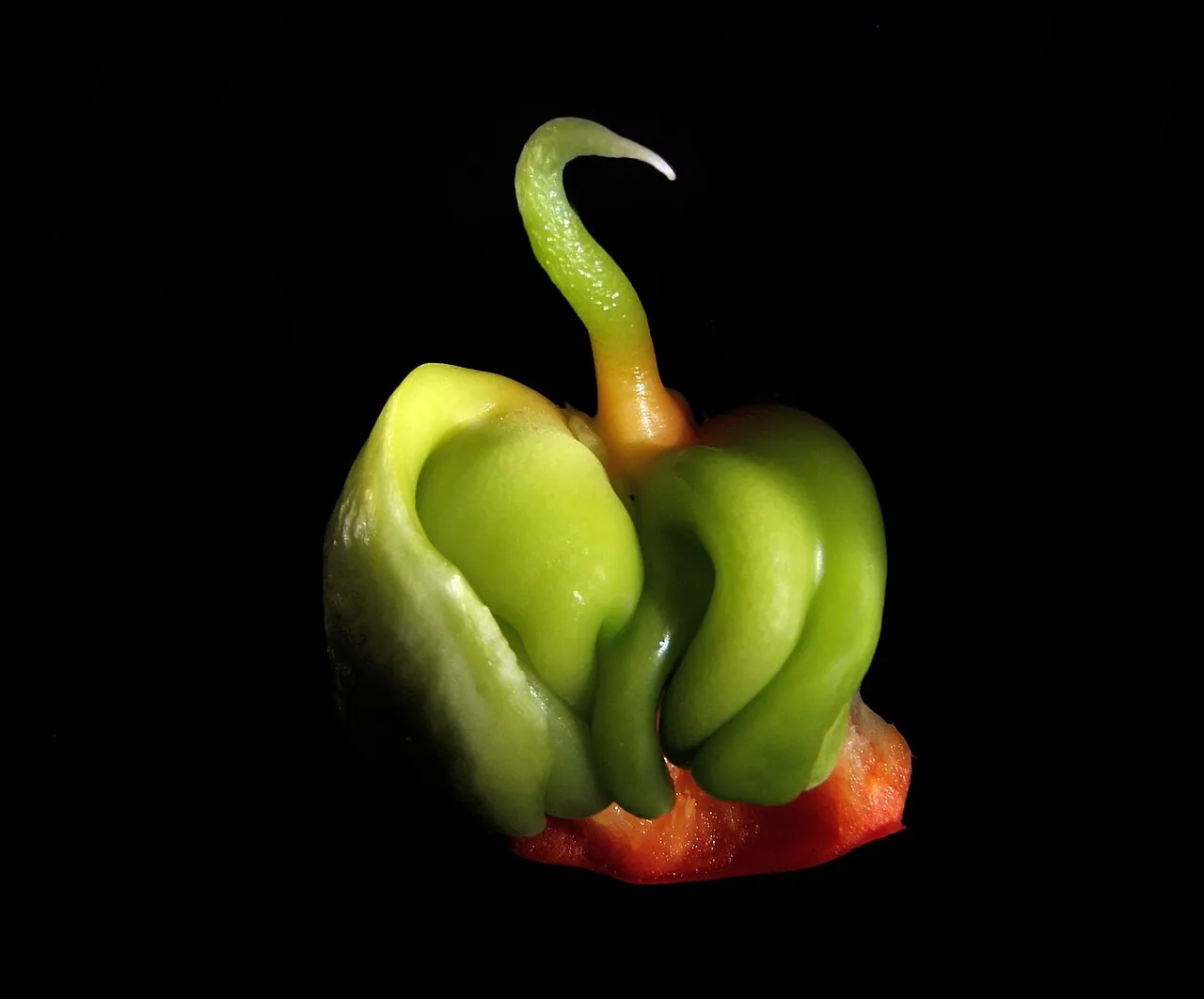
Chillies need enough growing time as well as warm weather. Choose a suitable variety, protect early growth and follow the fruit's own colour changes through ripening.
The edible corner
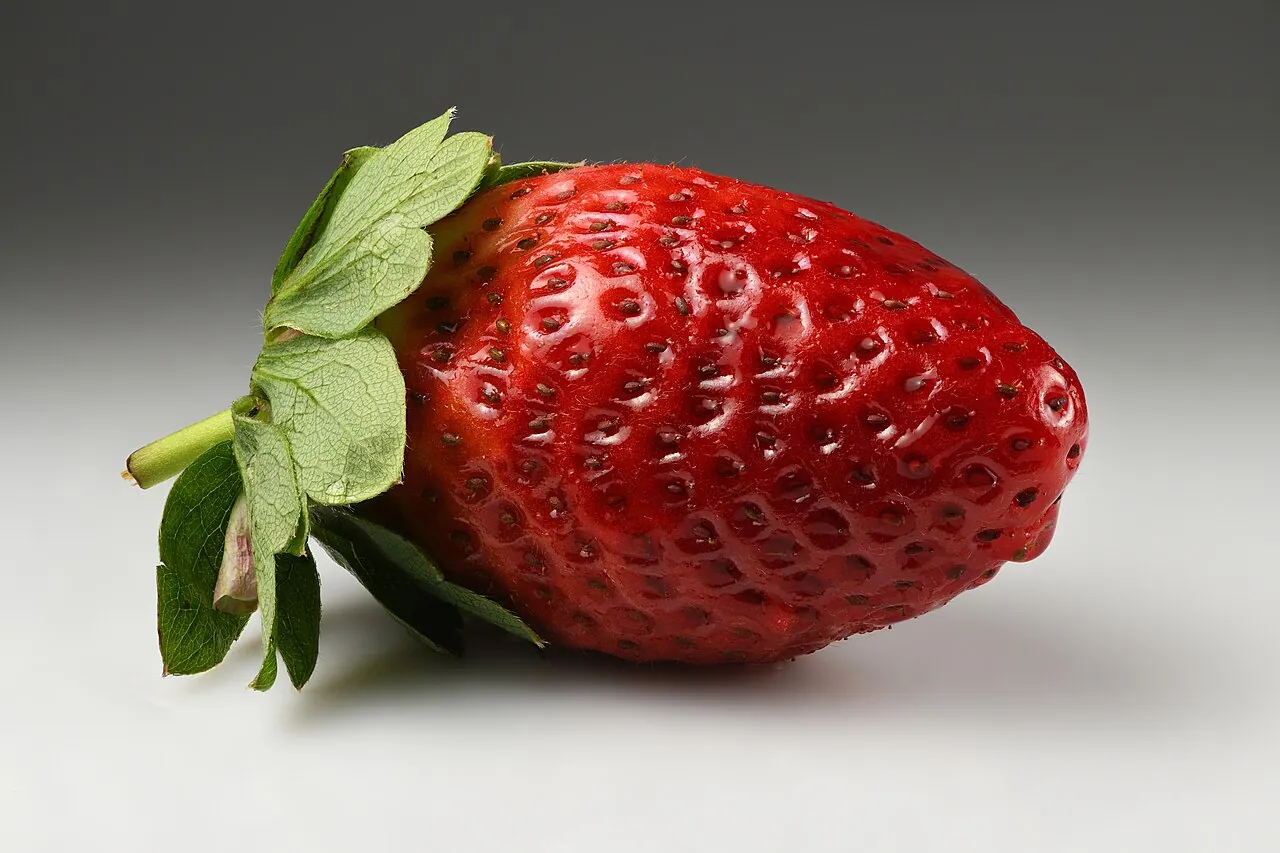
Hanging strawberries keep fruit visible but make watering and access more demanding. Build the display around a secure support, reachable plants and a root zone that stays evenly moist.
The edible corner
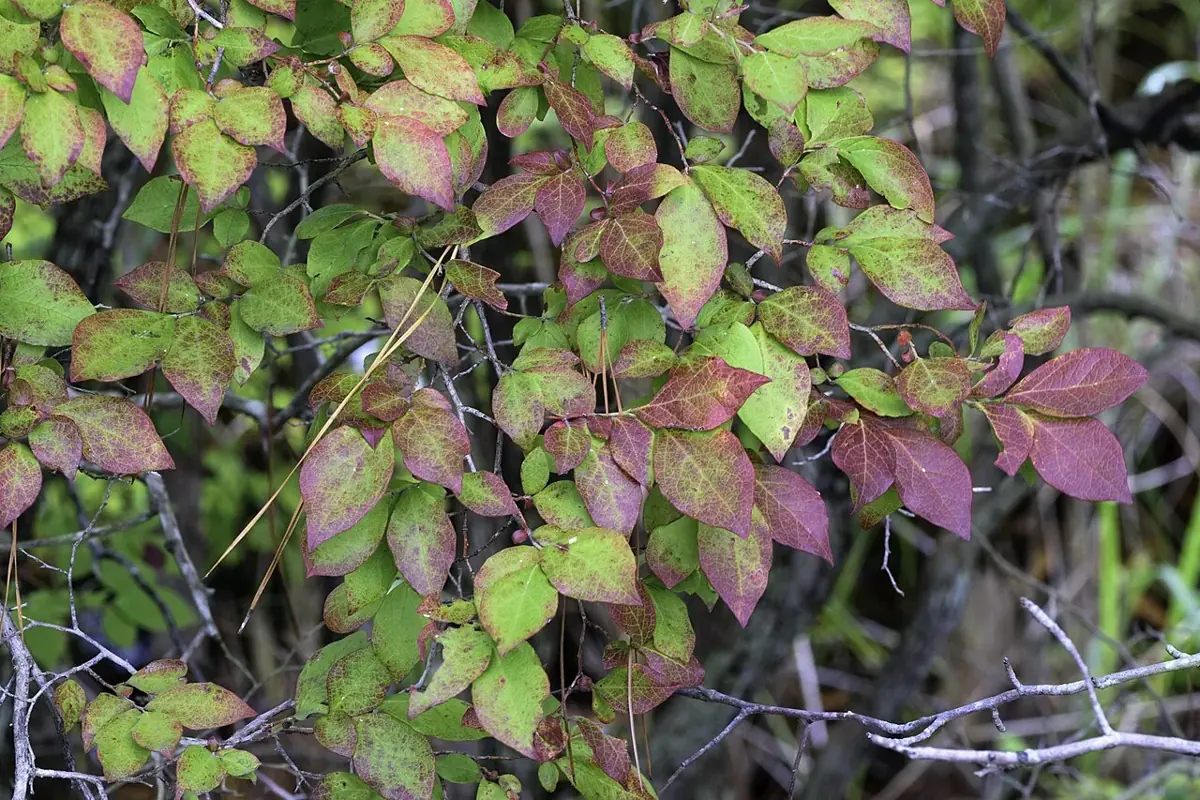
Blueberries depend on a suitable acidic root environment. Plan the growing medium and water supply together, then watch moisture and growth before reaching for corrective products.
The edible corner
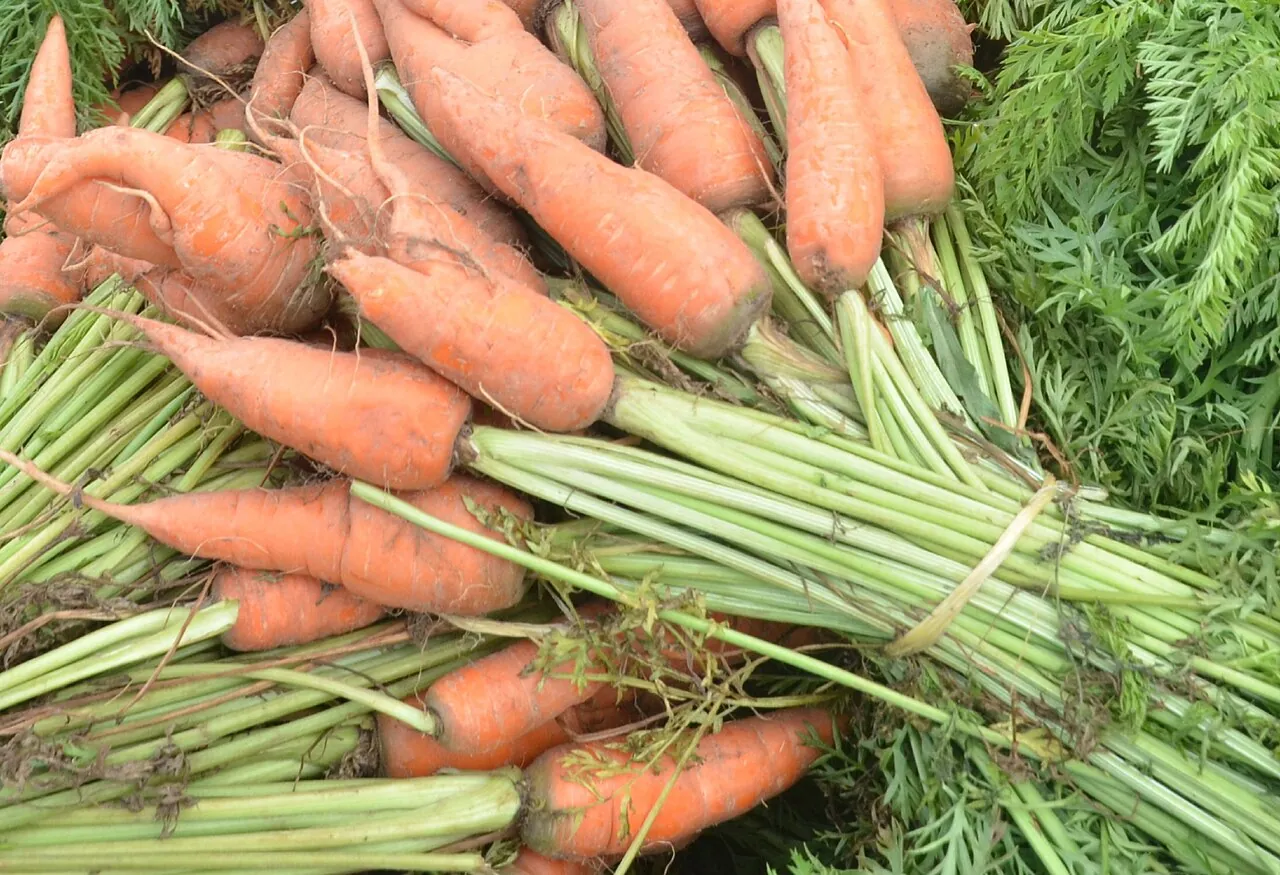
Container carrots need an uninterrupted path below the surface. Match root length to usable depth, sow where they will grow and protect the slow-emerging seedlings from drying out.
The edible corner
Garlic is a long crop with a careful finish. Choose planting stock suited to the season, keep the bed readable and cure harvested bulbs before putting them away.
The edible corner
One well-placed courgette can be more useful than several crowded plants. Plan around mature leaves, choose an appropriate variety and make frequent harvesting easy.