 FIELD NOTE / 122
Water & everyday care
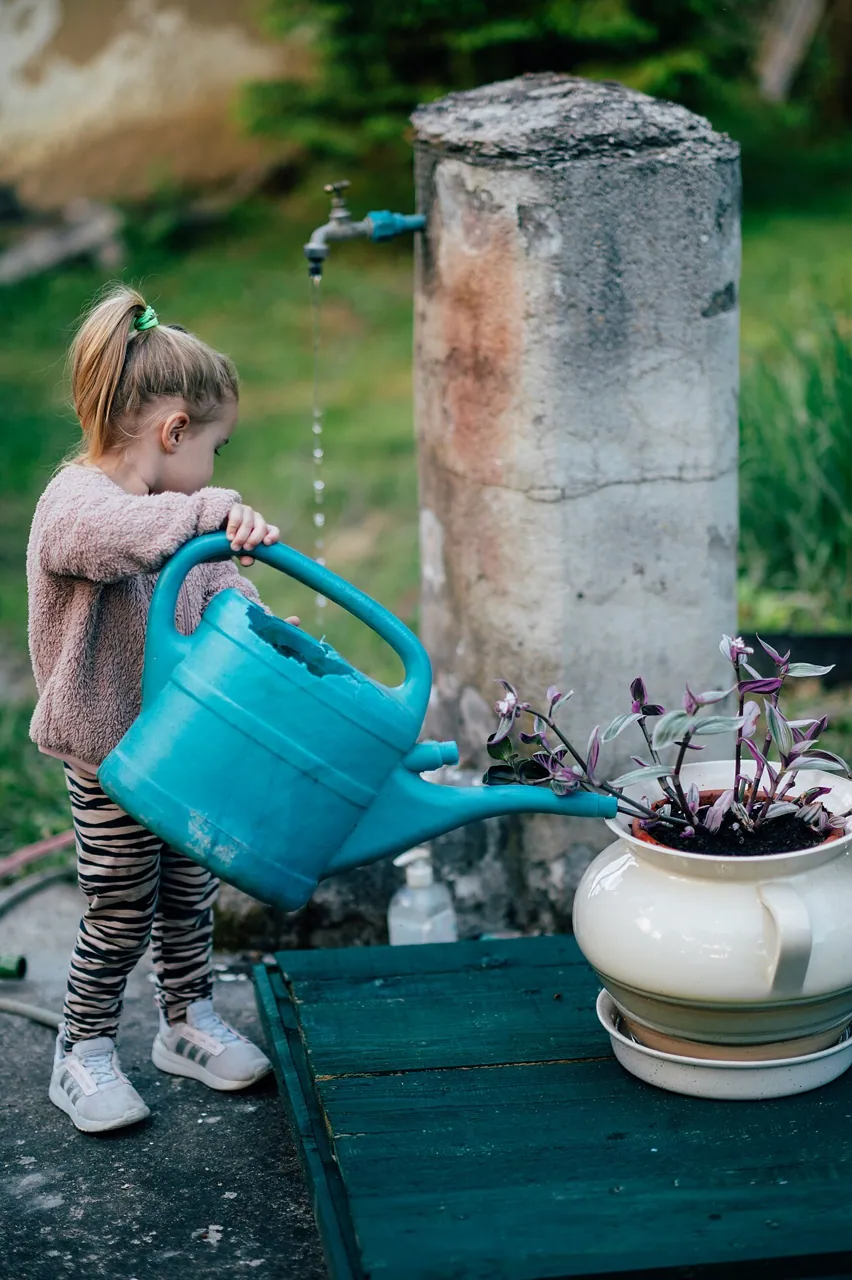
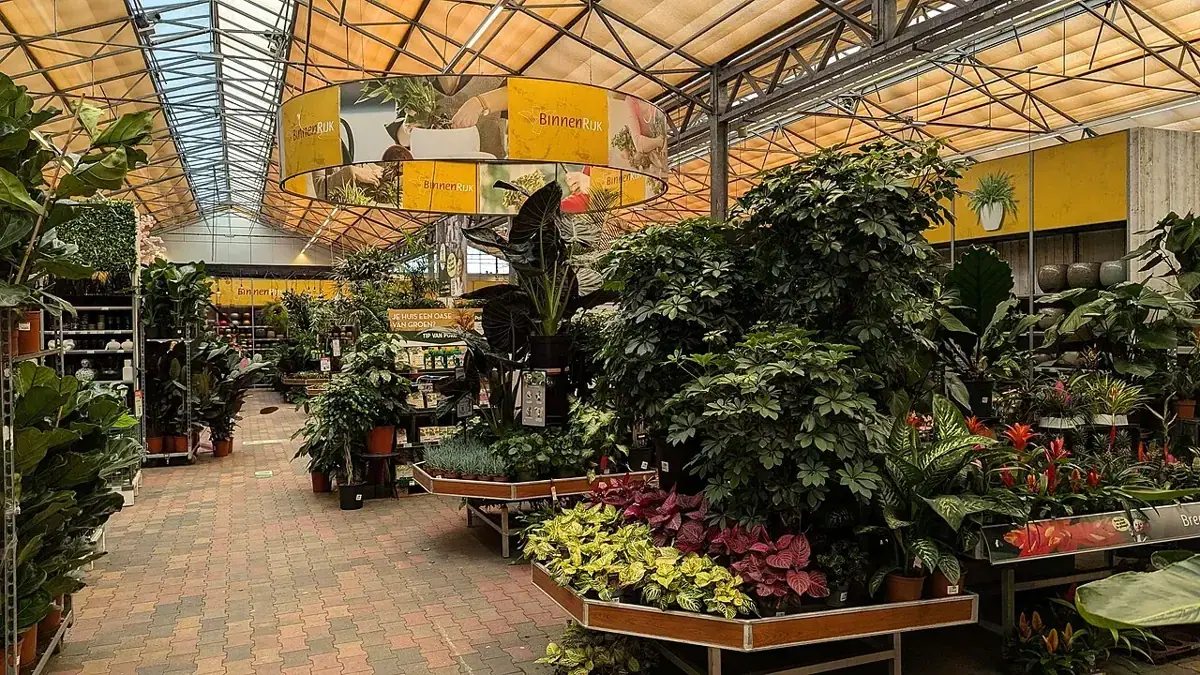
A short, attentive plant round can prevent small problems from becoming large ones. Follow a repeatable route, look beneath leaves and make only the changes supported by what you find.
 FIELD NOTE / 123
Water & everyday care
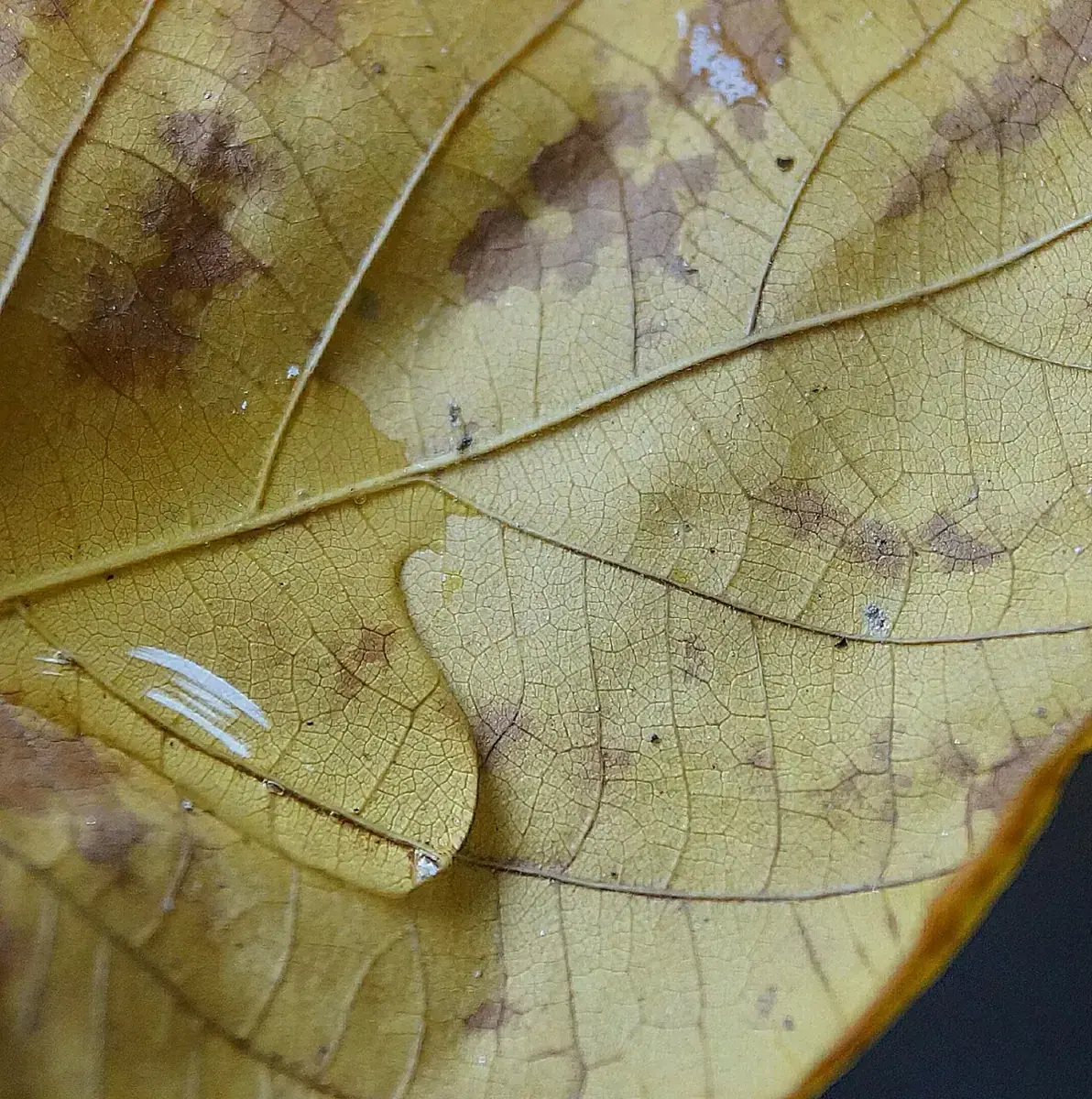
Yellowing foliage has many possible causes. Locate the affected leaves, check the root environment and use the pattern of change before deciding that a plant needs treatment.
 FIELD NOTE / 124
Water & everyday care
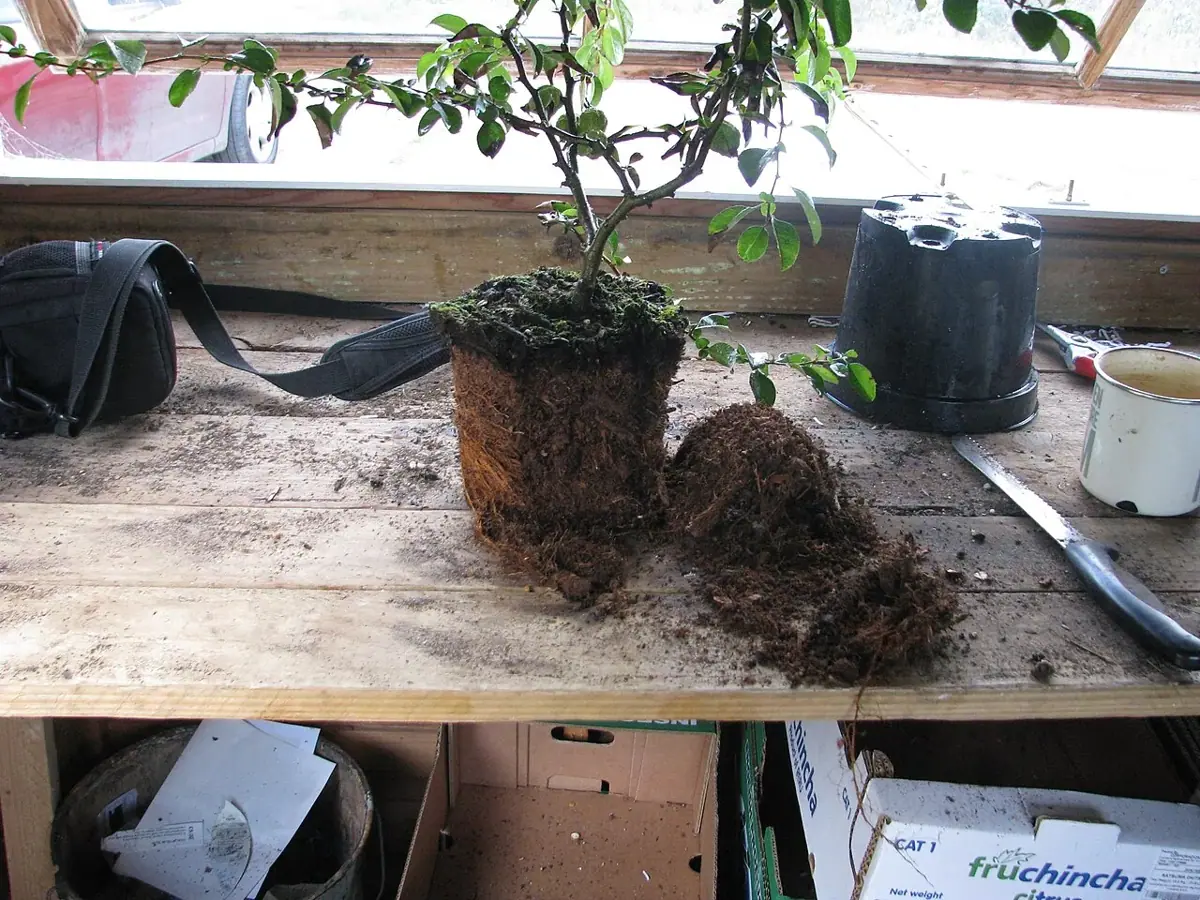
Very dry potting mix can send water straight past the roots. Rewet it patiently, verify the centre and change the routine that allowed the dry pocket to develop.
 FIELD NOTE / 125
Water & everyday care
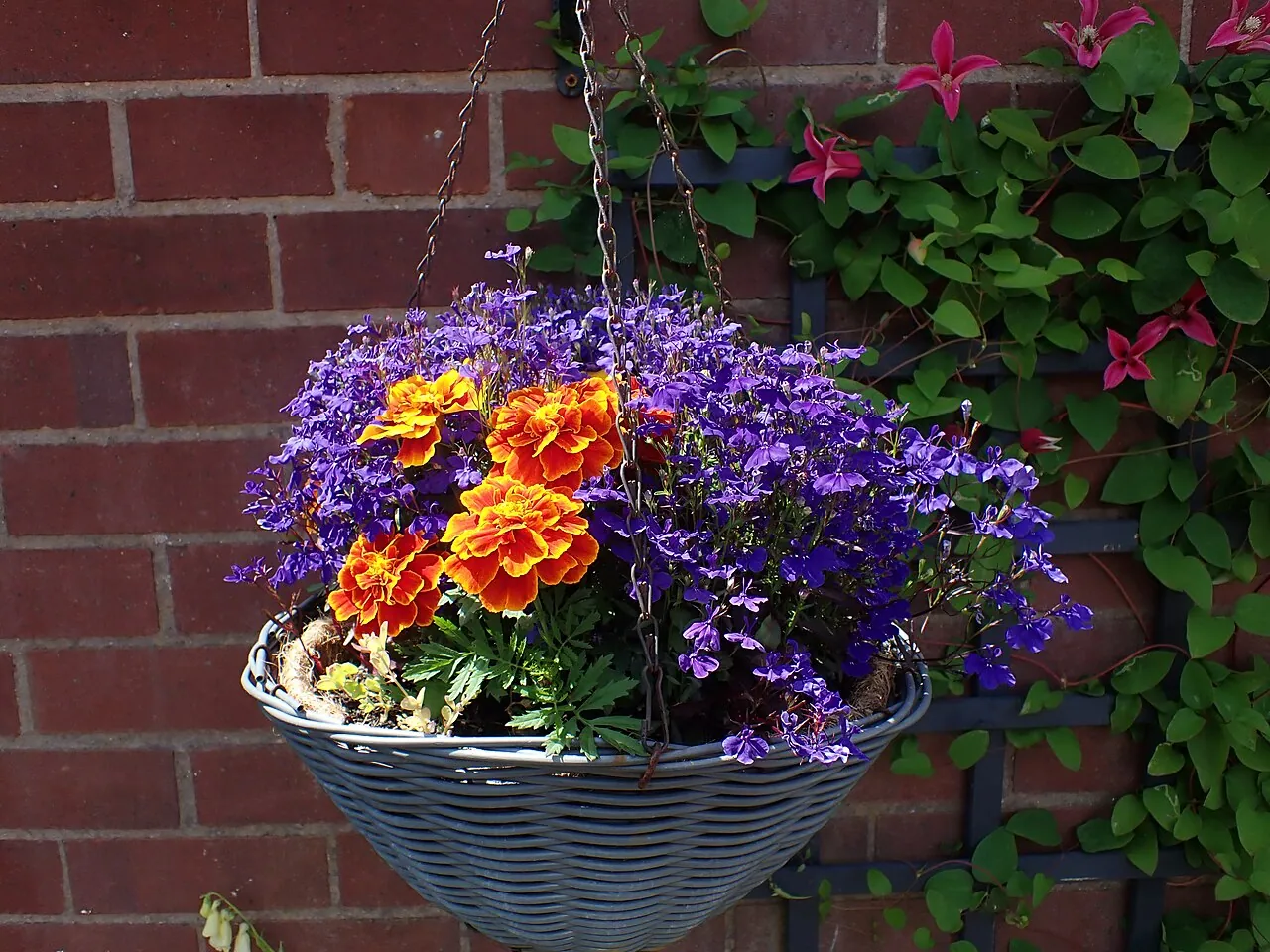
Watering a hanging basket means reaching its root ball, not simply wetting the flowers. Use a safe working position, slow delivery and checks that reveal hidden dry areas.
 FIELD NOTE / 126
Water & everyday care
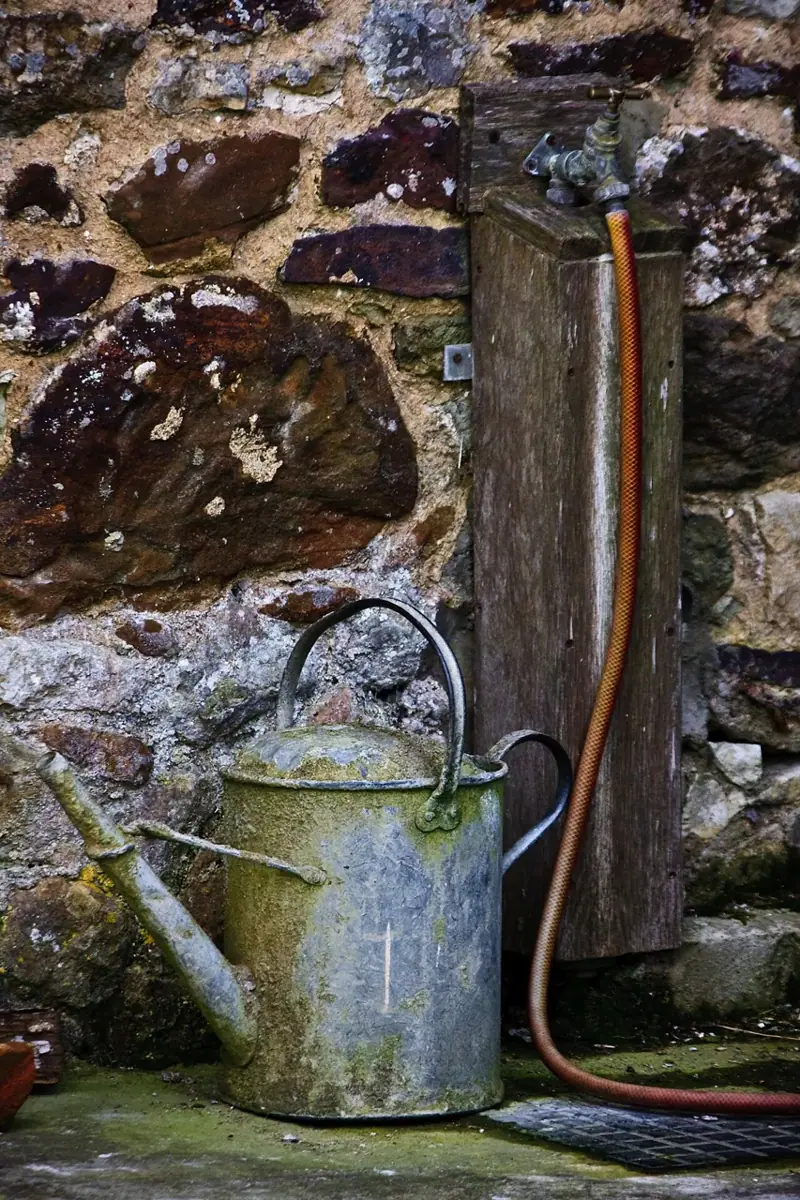
A week away is easier on plants when the watering plan is tested beforehand. Prioritise vulnerable containers, simplify instructions and leave a practical backup for changing weather.
 FIELD NOTE / 127
Water & everyday care
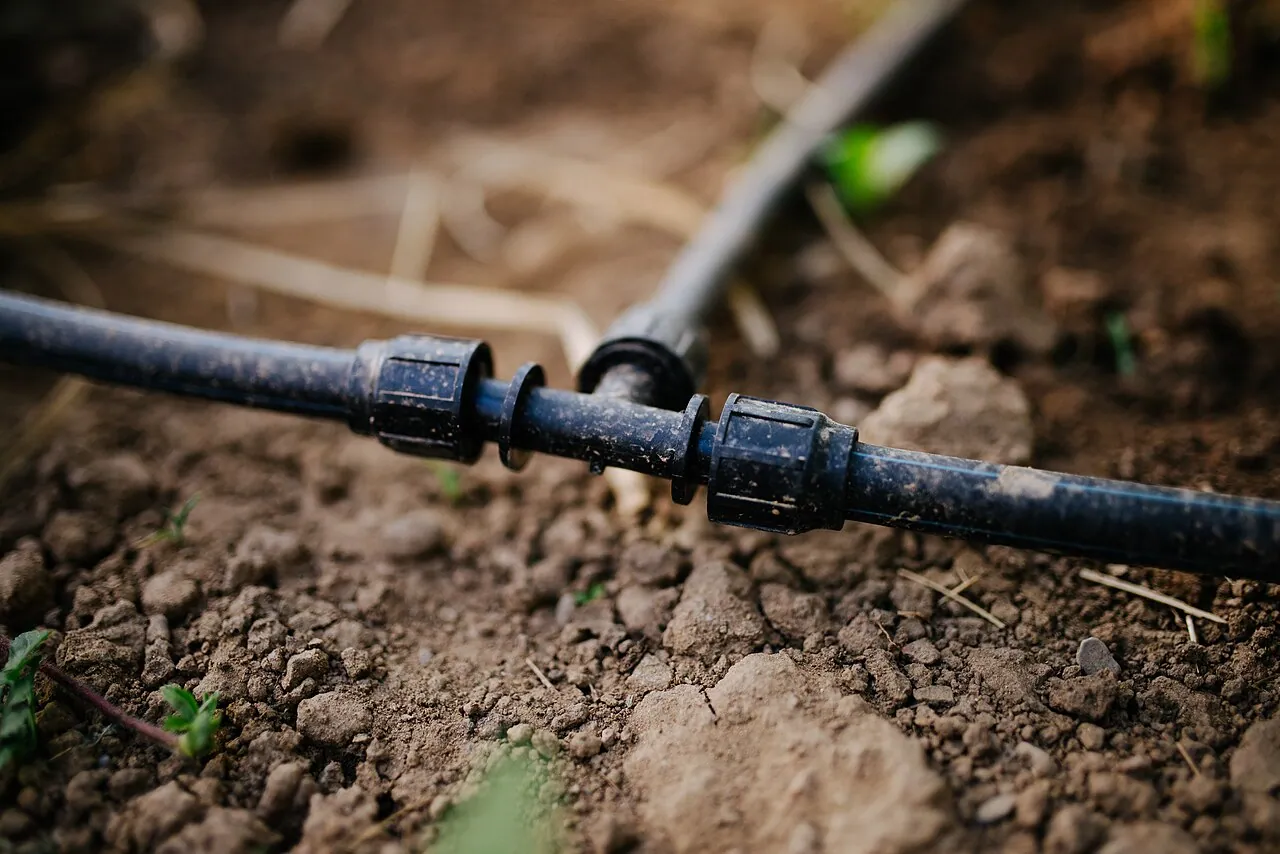
A small drip system is only useful when each outlet reaches the intended roots. Plan compatible watering zones, test delivery and keep filters and connections accessible.
 FIELD NOTE / 128
Water & everyday care
A rainwater store works best with a clean collection route and convenient access. Plan the stand, lid and overflow, then use and maintain the supply regularly.
 FIELD NOTE / 129
Water & everyday care
Morning is often a convenient time to water, but moisture and weather still decide the job. Aim water at roots and respond promptly when a plant is genuinely dry.
 FIELD NOTE / 130
Water & everyday care
Dusty leaves usually need gentle cleaning rather than a cosmetic coating. Match the method to the leaf surface, support delicate stems and use the opportunity to inspect for pests.
 FIELD NOTE / 131
Water & everyday care
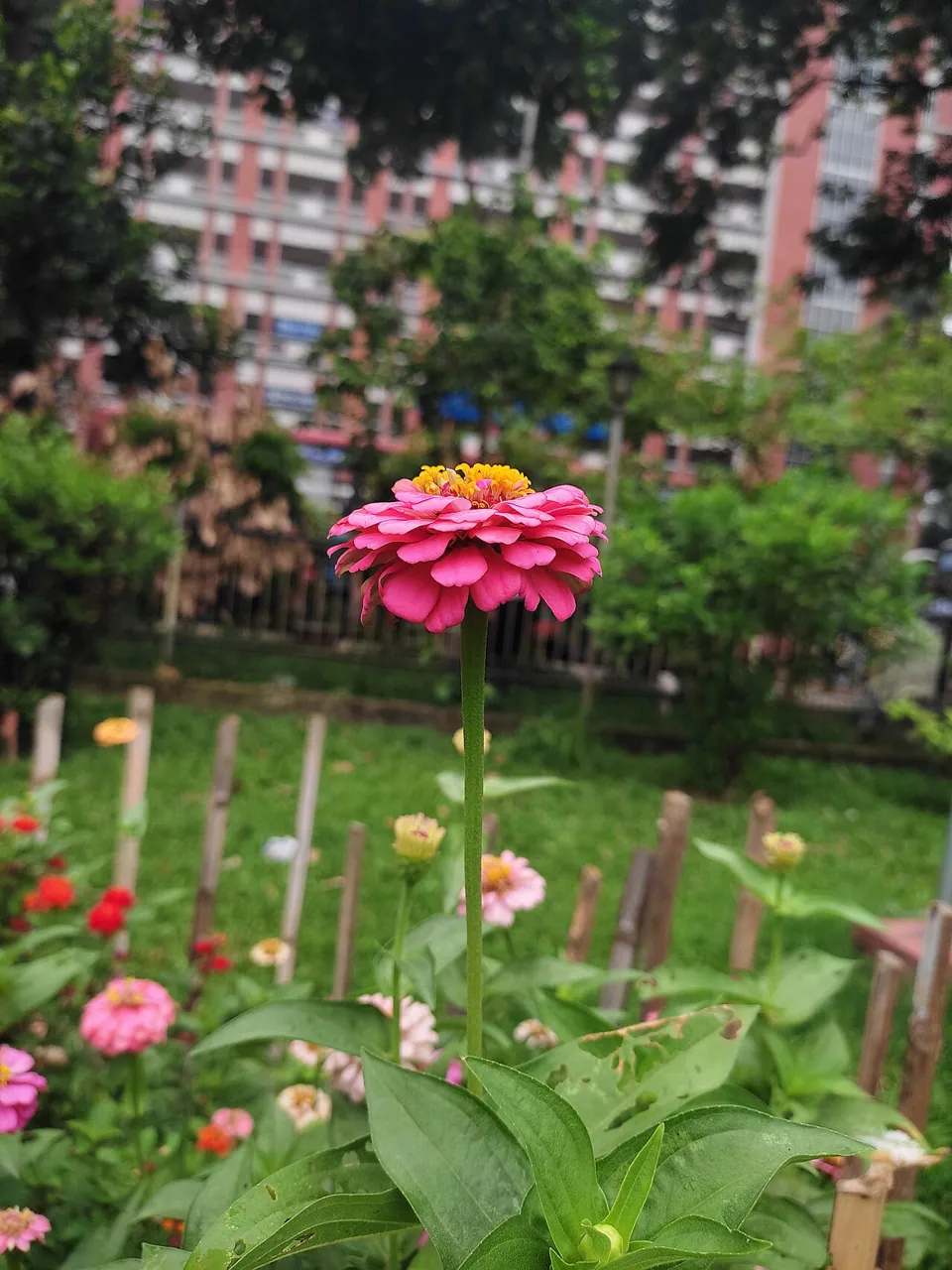
Removing spent flowers can improve a display, but every seedhead need not disappear. Choose between repeat bloom, seed collection and winter structure before making the cut.
 FIELD NOTE / 132
Water & everyday care
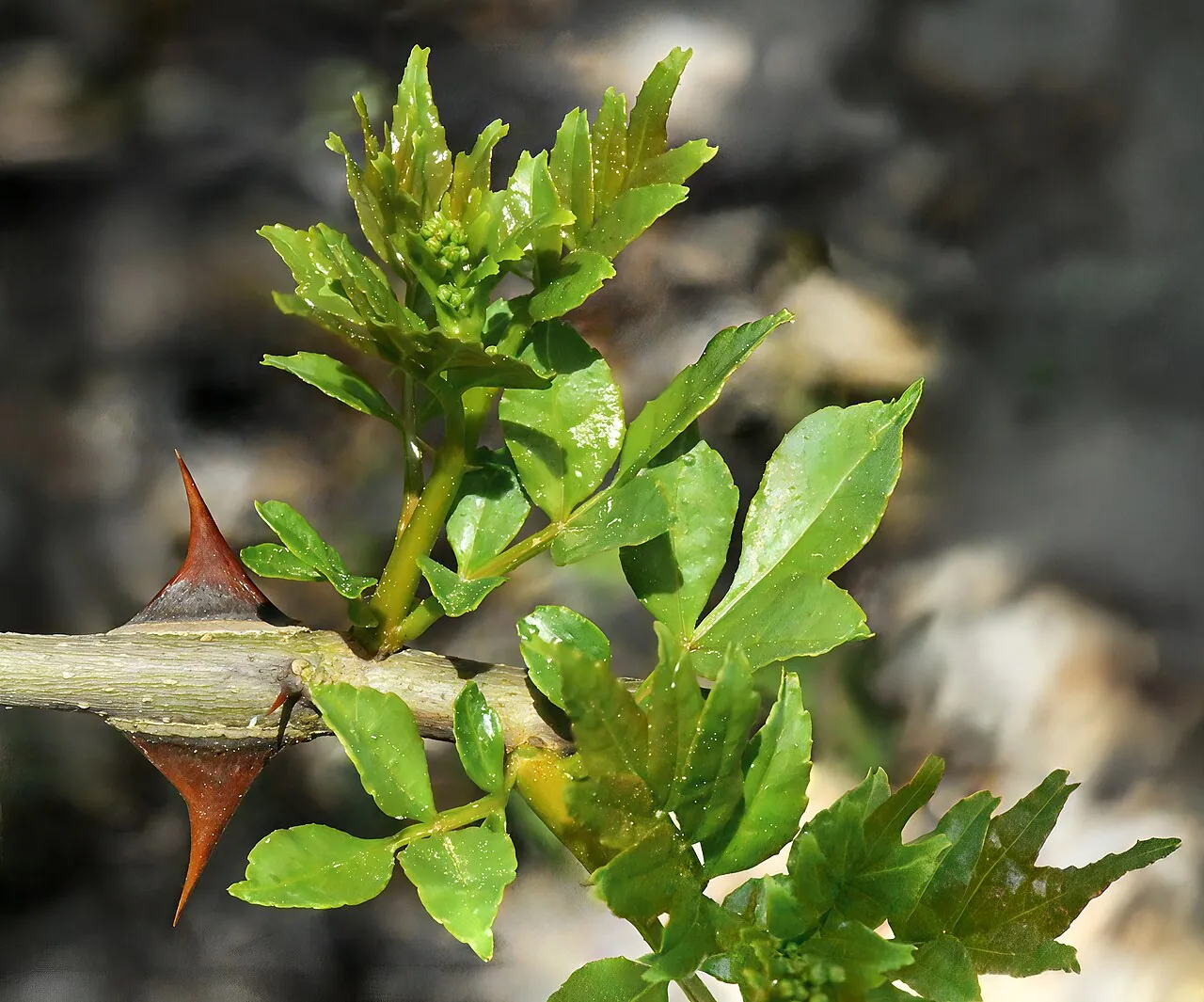
Pinching can encourage branching in suitable plants, but it also changes timing and shape. Identify the growing tip, preserve healthy leaves and avoid treating every seedling alike.
 FIELD NOTE / 133
Water & everyday care
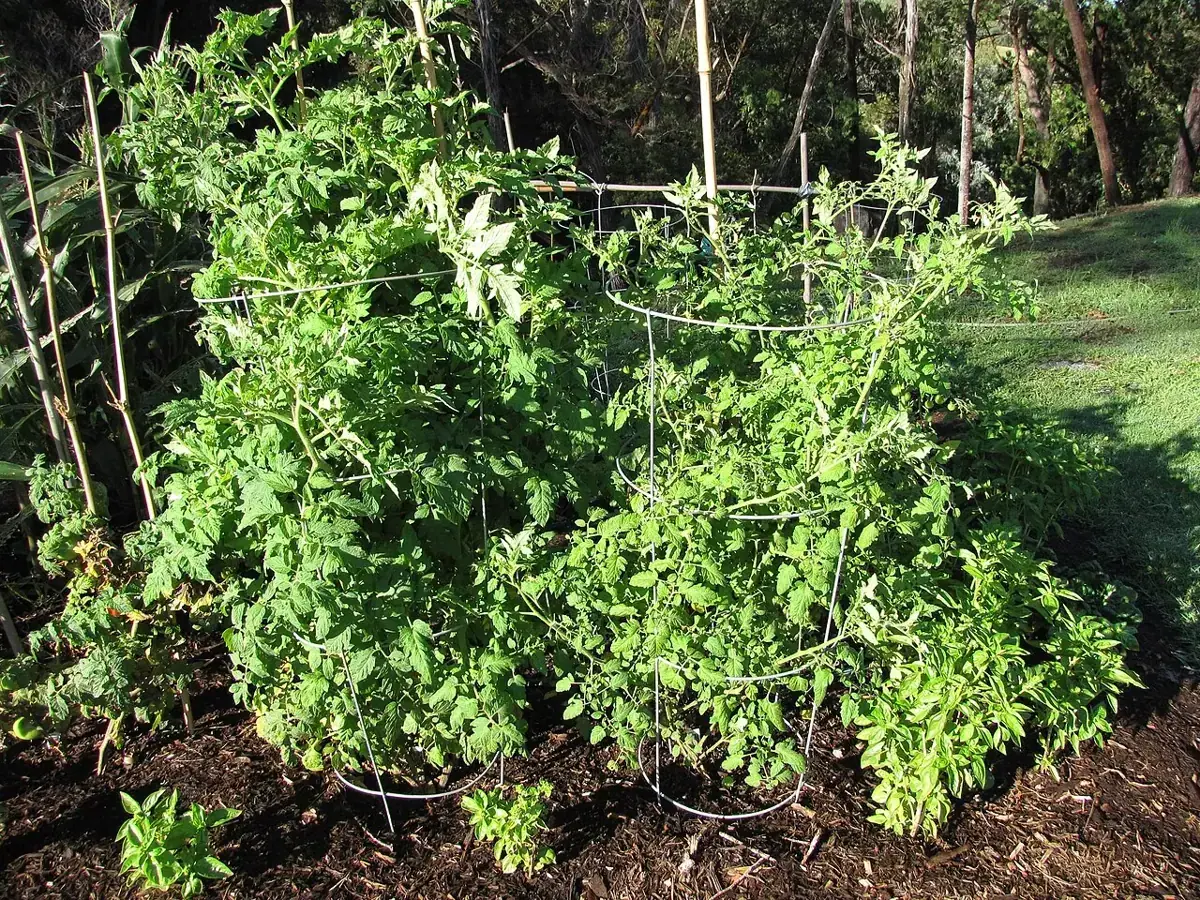
Supports are easiest to install while growth is still manageable. Match the structure to the plant's mature weight, protect roots and leave stems enough room to move and thicken.
 FIELD NOTE / 134
Water & everyday care
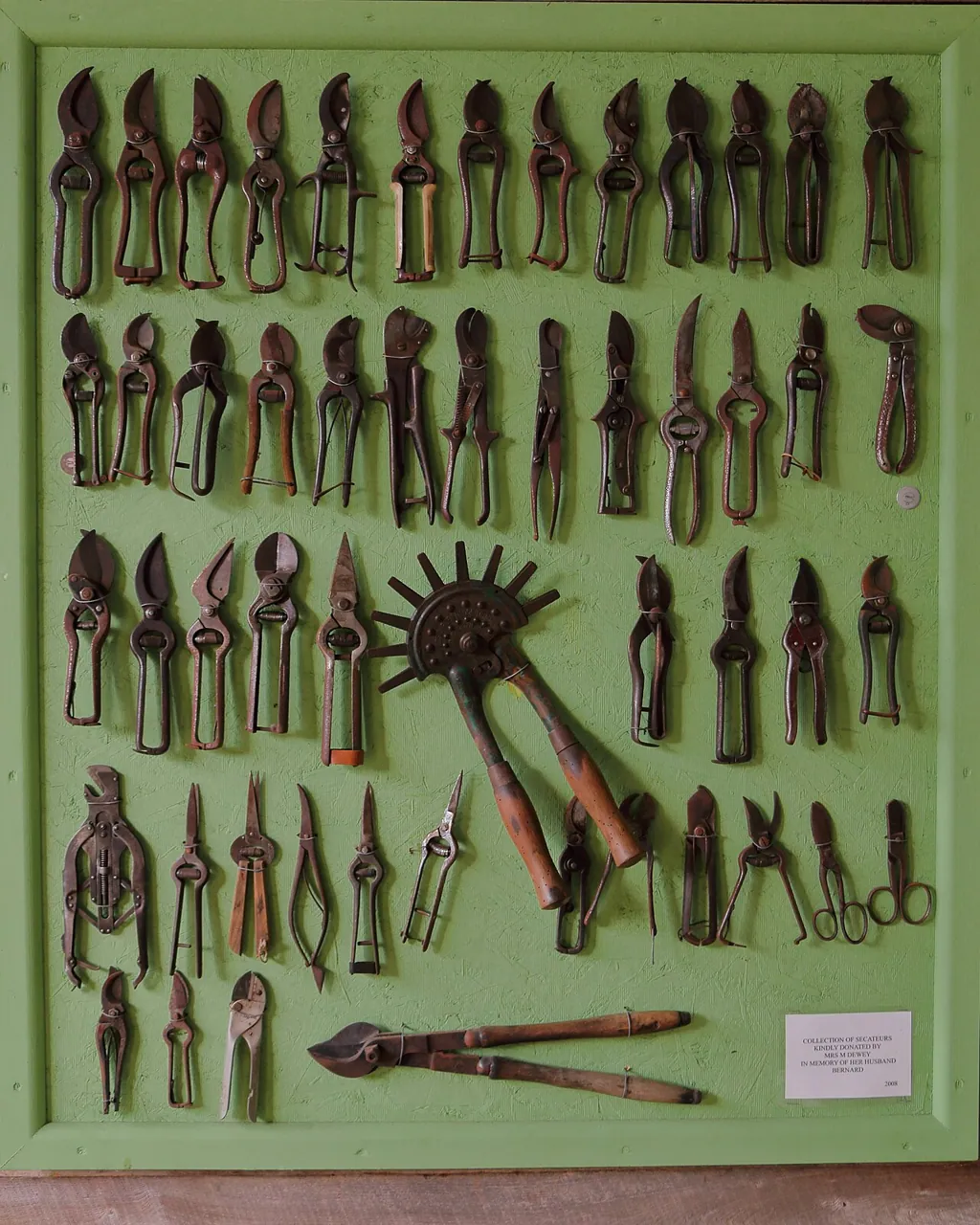
Clean cutting tools protect both plants and the quality of the cut. Remove visible debris first, choose an appropriate disinfectant when needed and keep maintenance easy to repeat.
 FIELD NOTE / 135
Water & everyday care
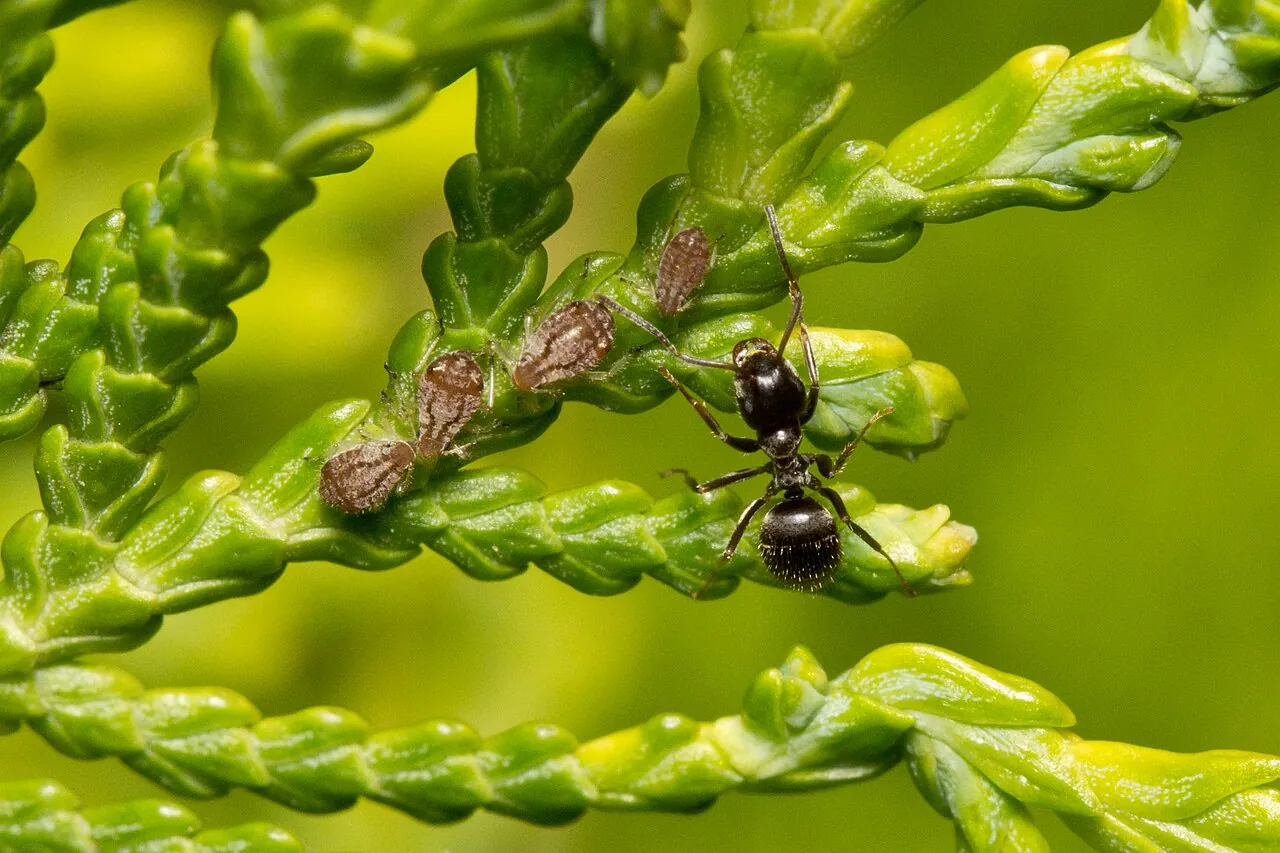
Aphids are easier to manage when identified early and assessed in context. Look for colonies, plant damage and visiting predators before deciding whether intervention is necessary.
 FIELD NOTE / 136
Water & everyday care
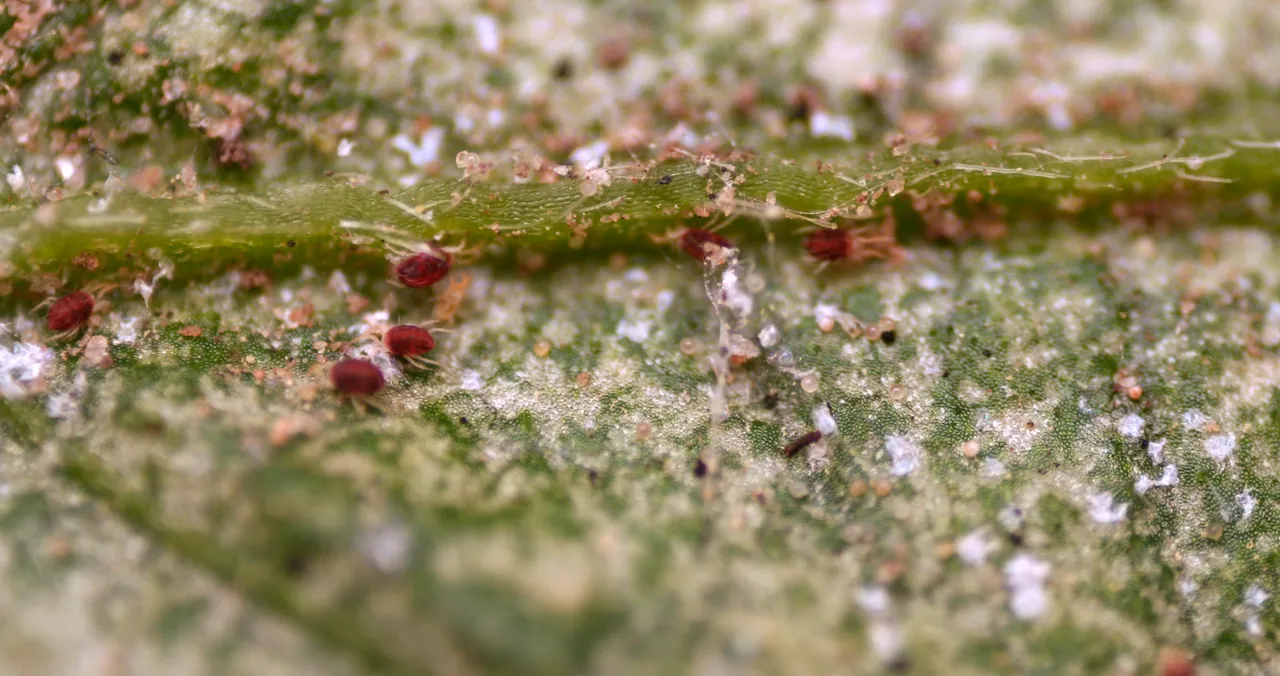
Fine leaf speckling can be an early clue to spider mites. Inspect beneath leaves with magnification, separate suspect plants and follow new growth rather than expecting damaged tissue to recover.
 FIELD NOTE / 137
Water & everyday care
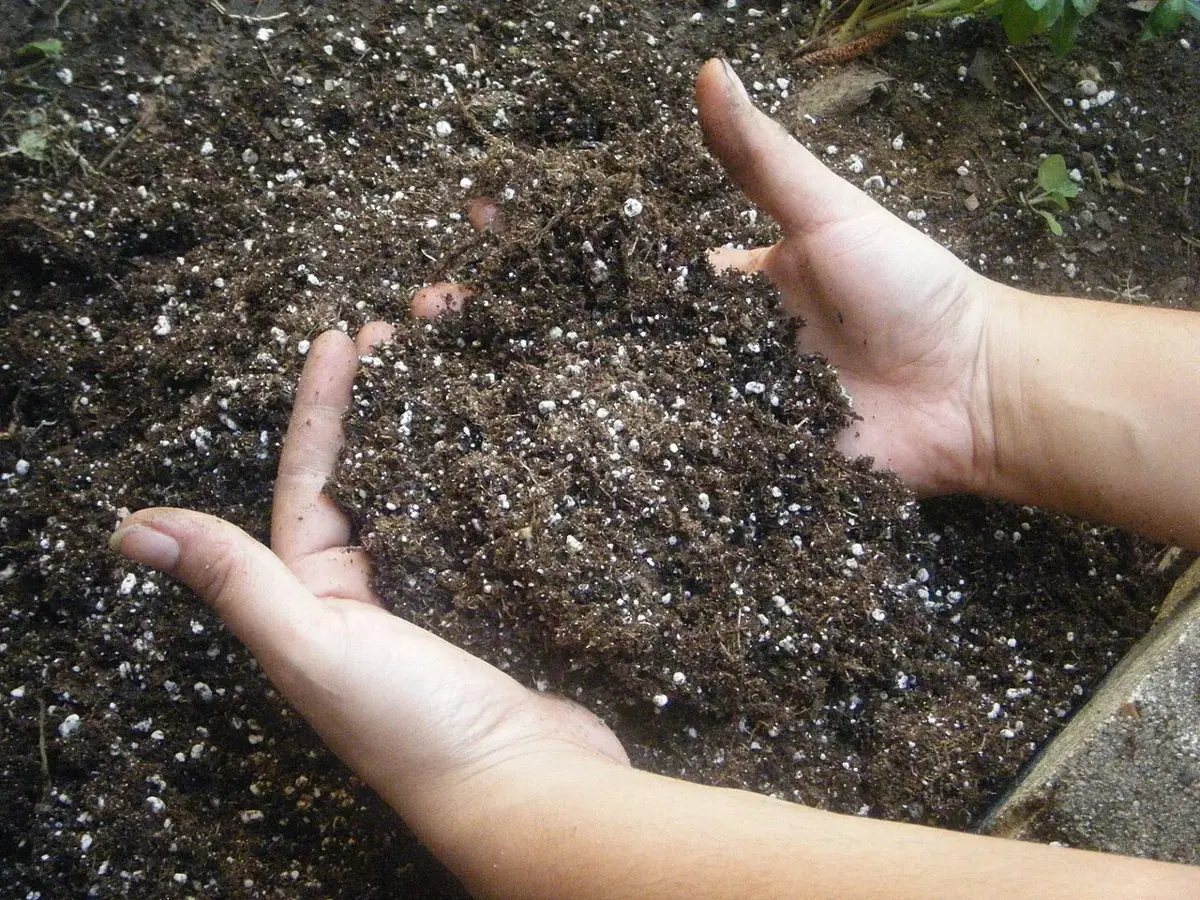
Small flies around a pot often point to a persistently damp growing medium. Confirm fungus gnats, protect vulnerable seedlings and adjust moisture without drying the plant beyond its needs.
 FIELD NOTE / 138
Water & everyday care
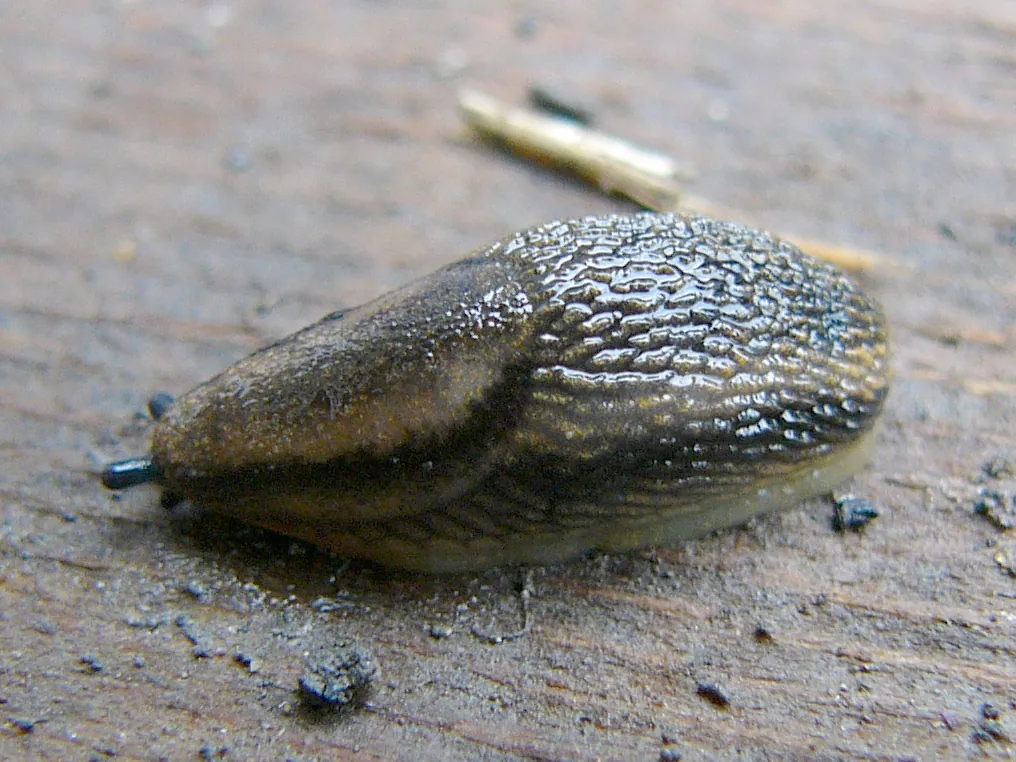
Young plants need focused protection where slug damage is confirmed. Inspect at useful times, improve establishment and choose targeted measures without treating every garden slug as the same problem.
 FIELD NOTE / 139
Water & everyday care
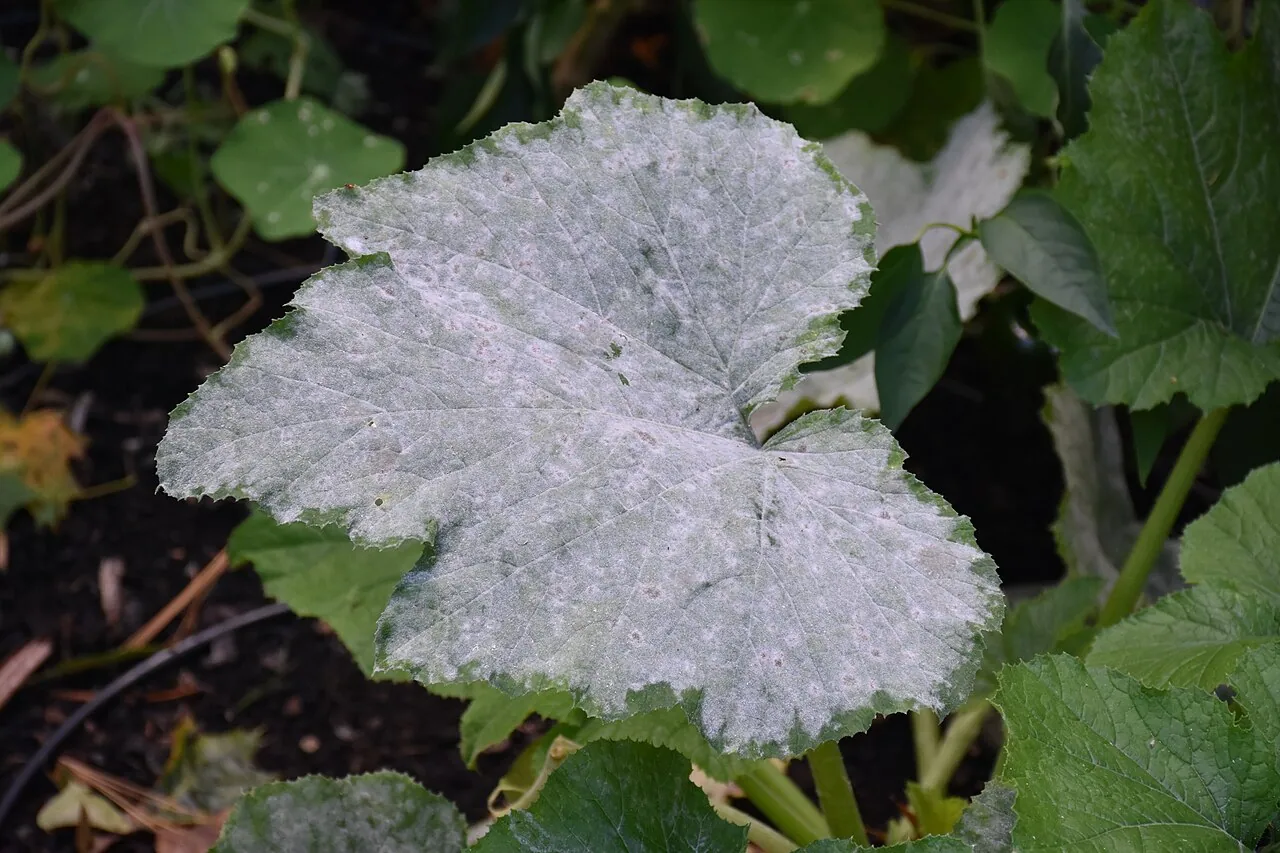
A white coating on leaves needs identification before treatment. With powdery mildew, review crowding and root stress, then judge progress on fresh growth rather than old marked leaves.
 FIELD NOTE / 140
Water & everyday care
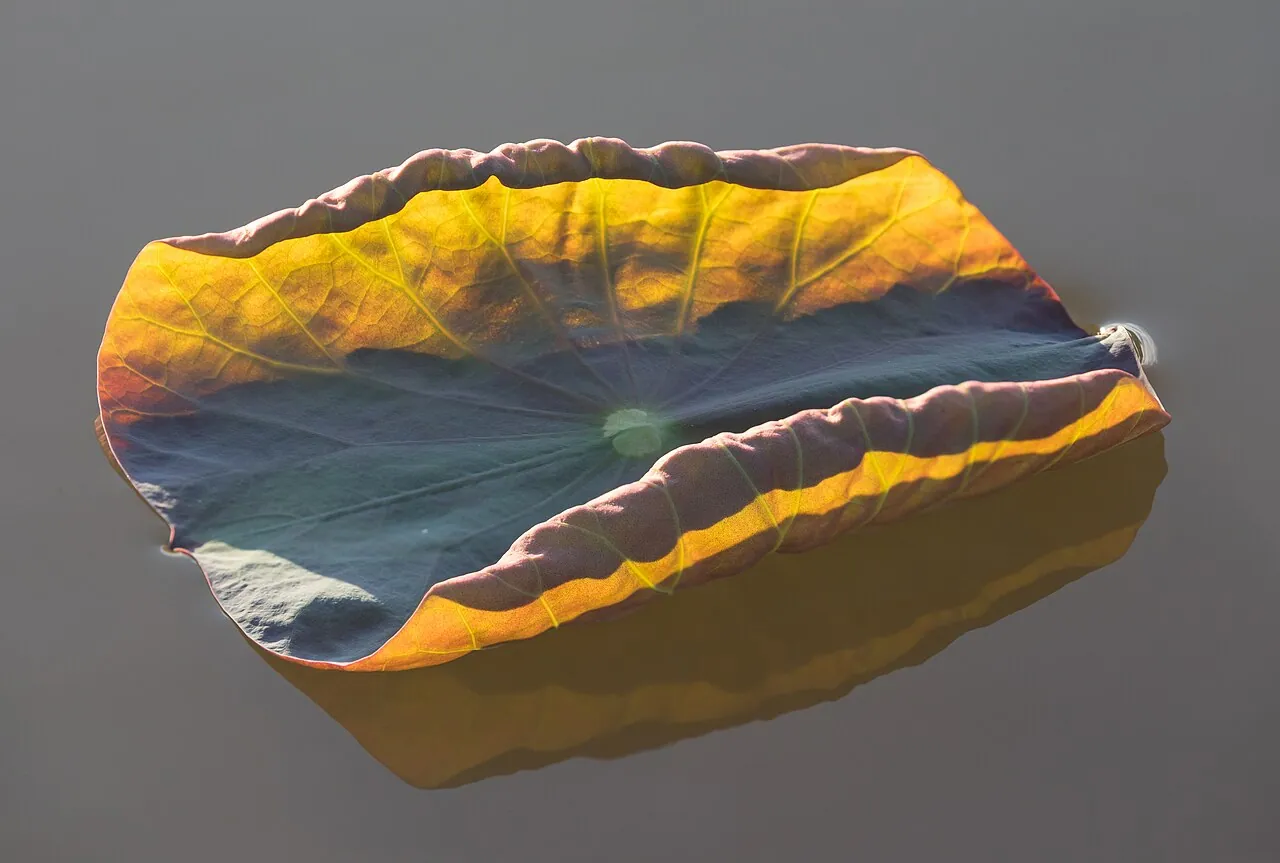
Leaves grown in sheltered light can scorch after an abrupt move. Reduce the exposure, check roots and acclimatise gradually while judging recovery through healthy new growth.