A living garden
A sequence of flowers for visiting insects
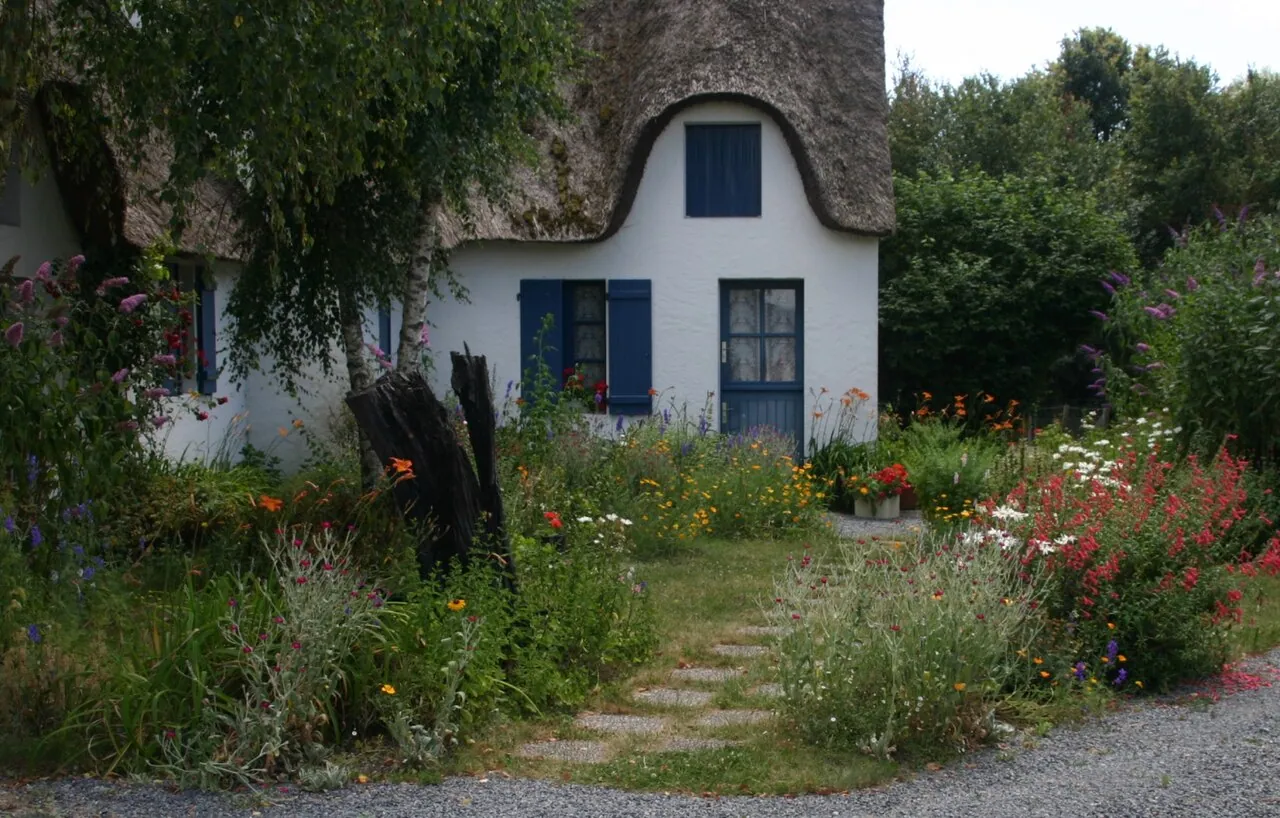
A garden can be full of flowers in one month and offer very little the next. Follow the gaps in your own flowering sequence before adding another summer favourite.
2 min read
A little dirt.
A little patience.
Leave a little room for visitors. Explore the flowers, shelter and quiet corners that support a more varied garden.
Pick a page. Stay a while.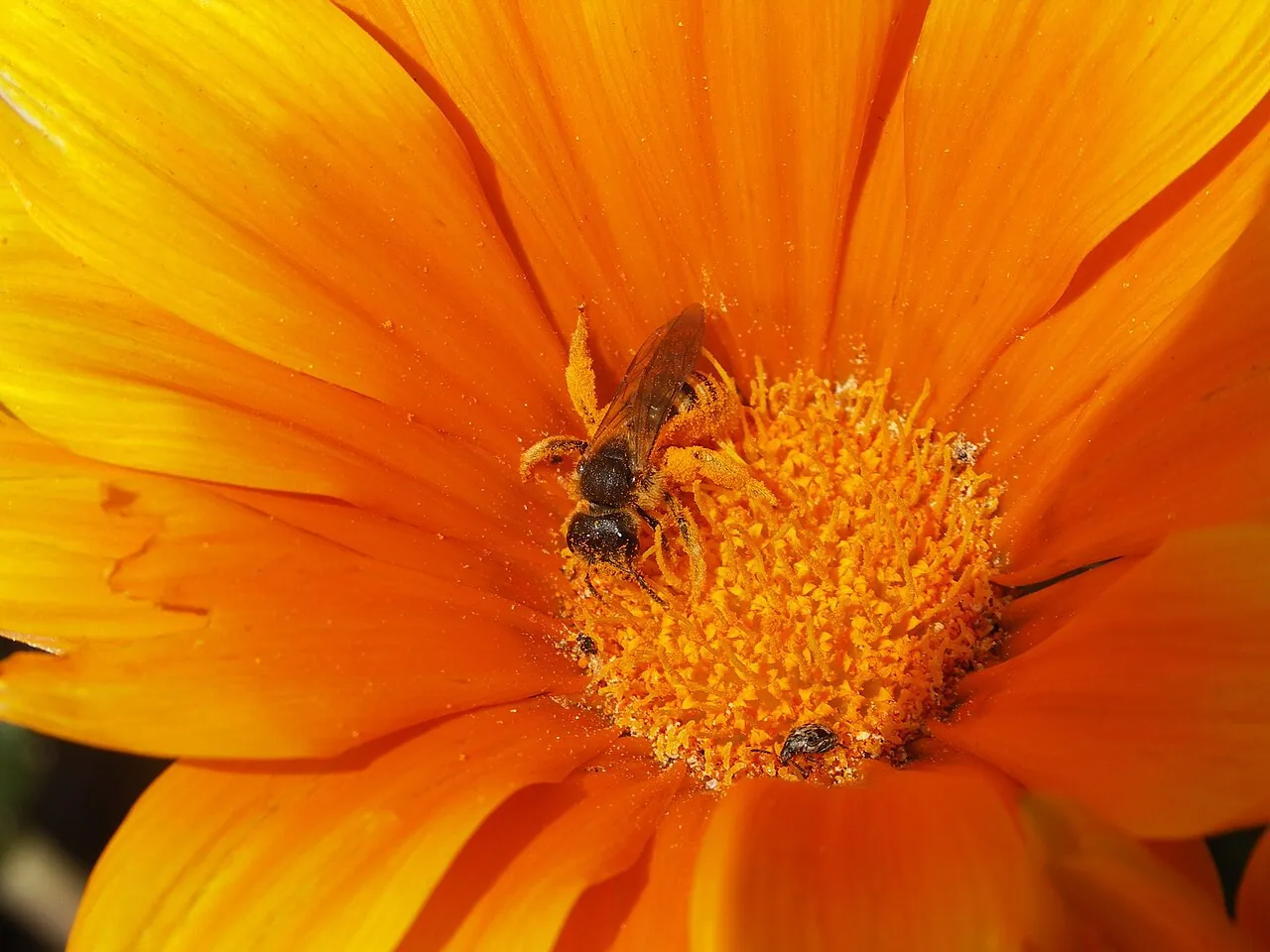
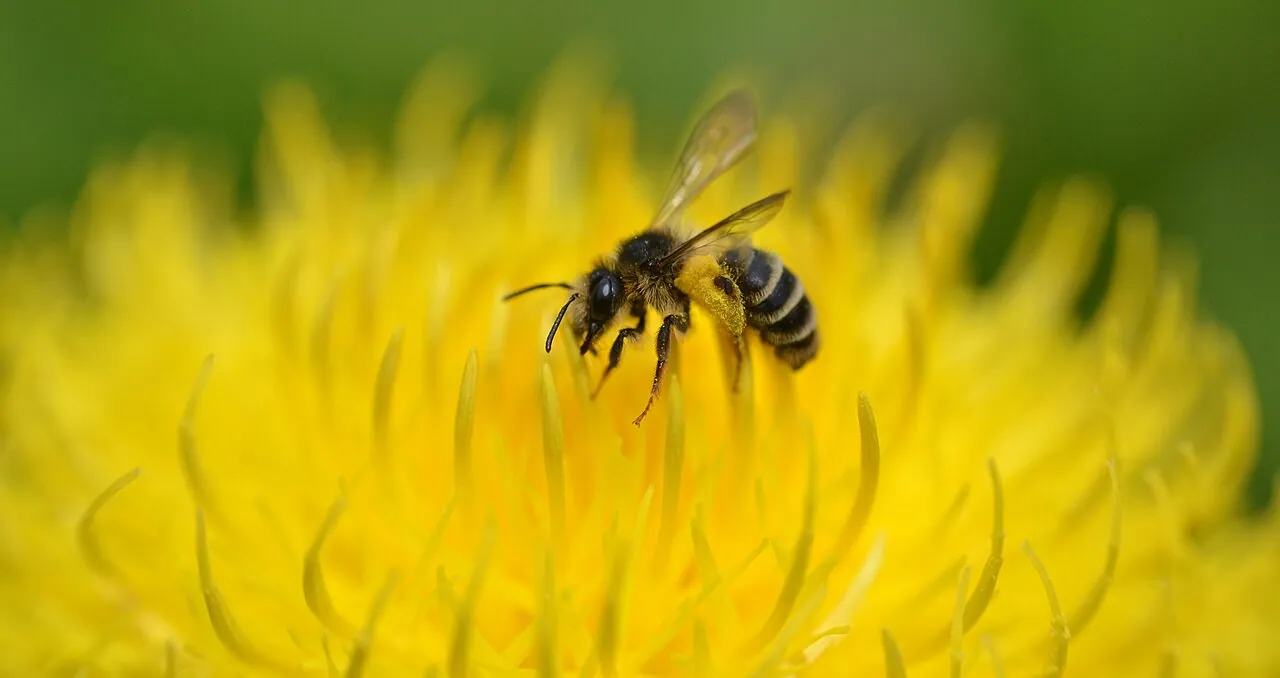
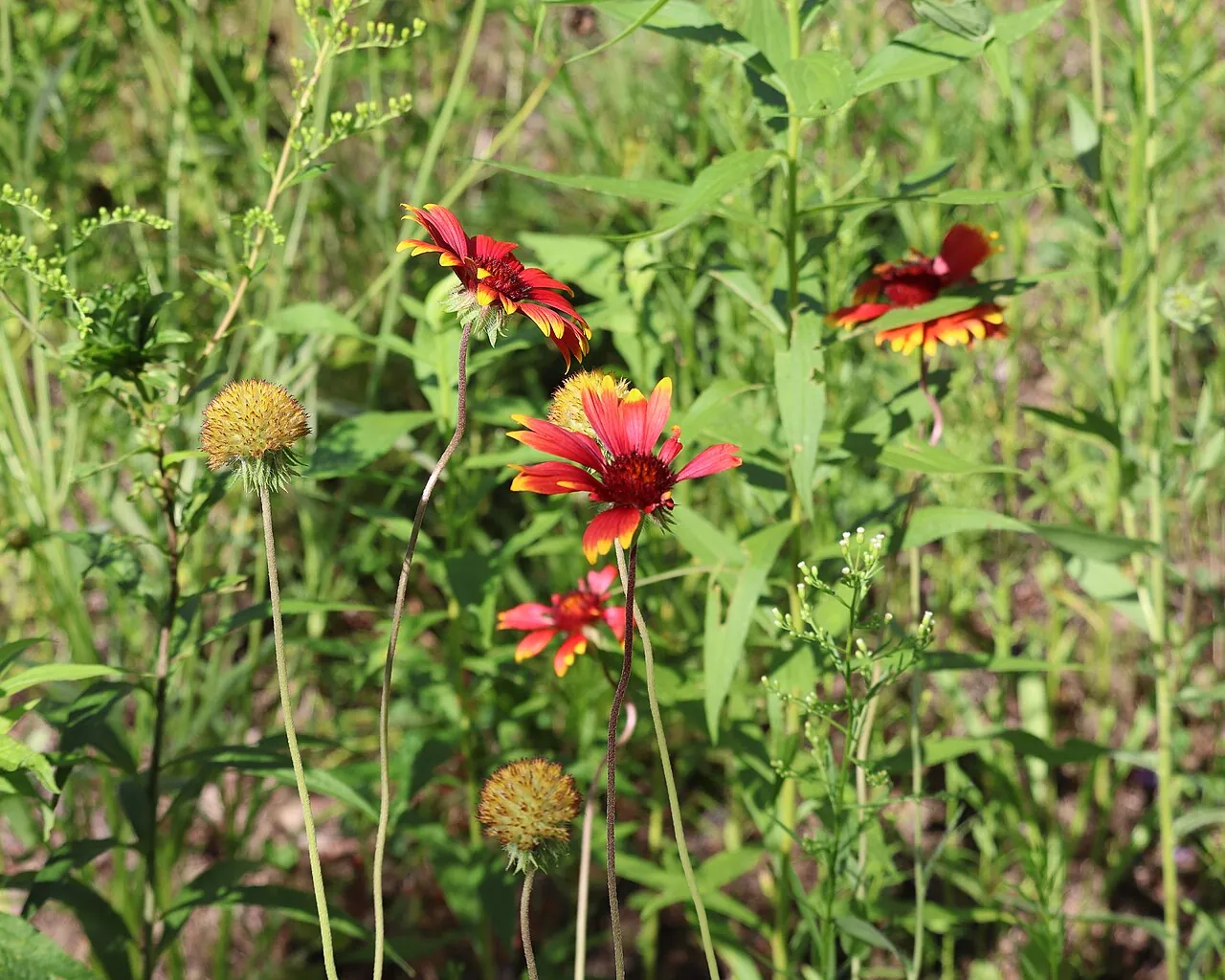
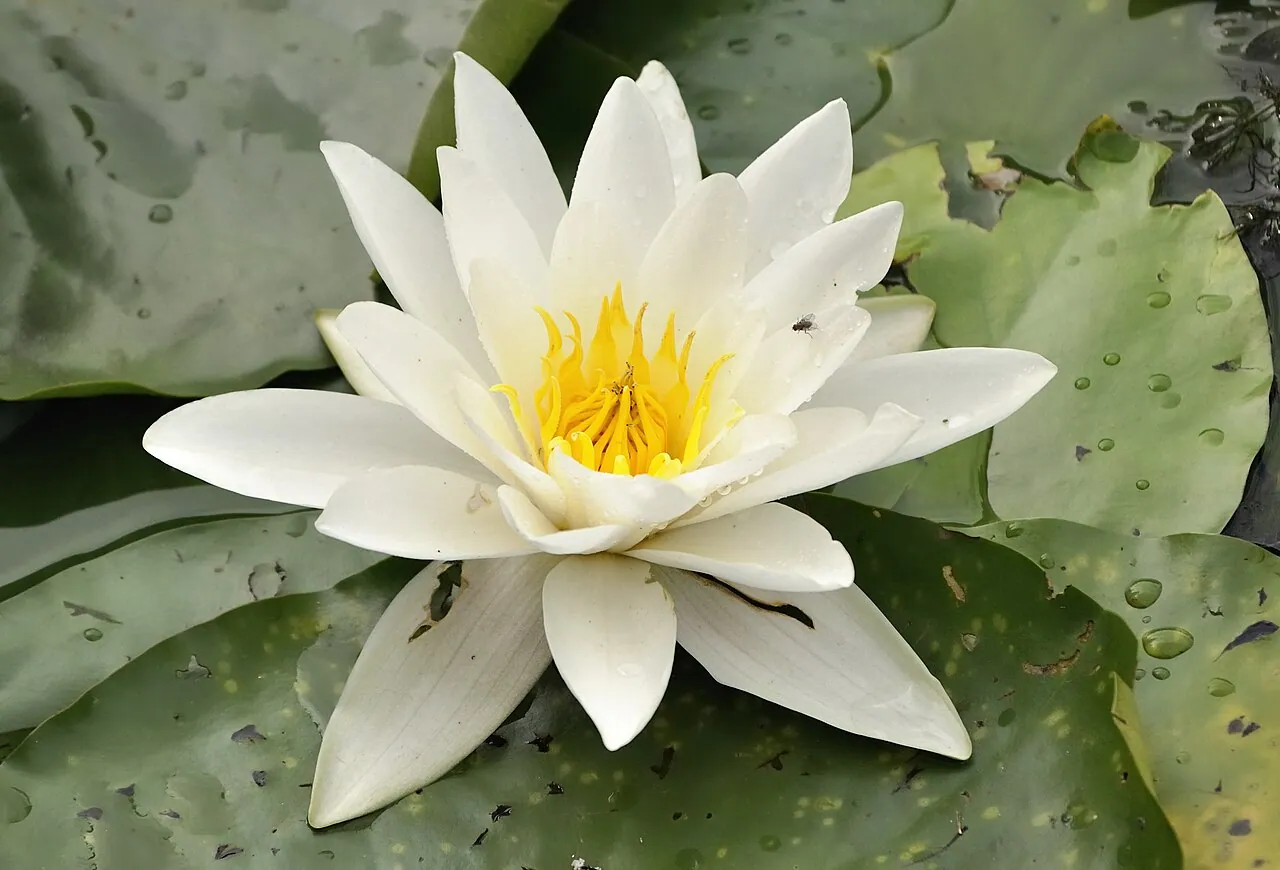
Flower shape, access and flowering season all affect what a planting offers visiting insects. Look beyond the colour on the nursery label when choosing blooms.
Open this story ↗A living garden
A garden can be full of flowers in one month and offer very little the next. Follow the gaps in your own flowering sequence before adding another summer favourite.
A living garden
A small undisturbed patch of suitable soil can be valuable habitat. Protect access to the ground without turning the garden into an experiment that needs constant digging.
A living garden
A shallow water source can be a useful part of a garden, provided it stays stable, clean and easy to leave. Build the cleaning routine into the design.
A living garden
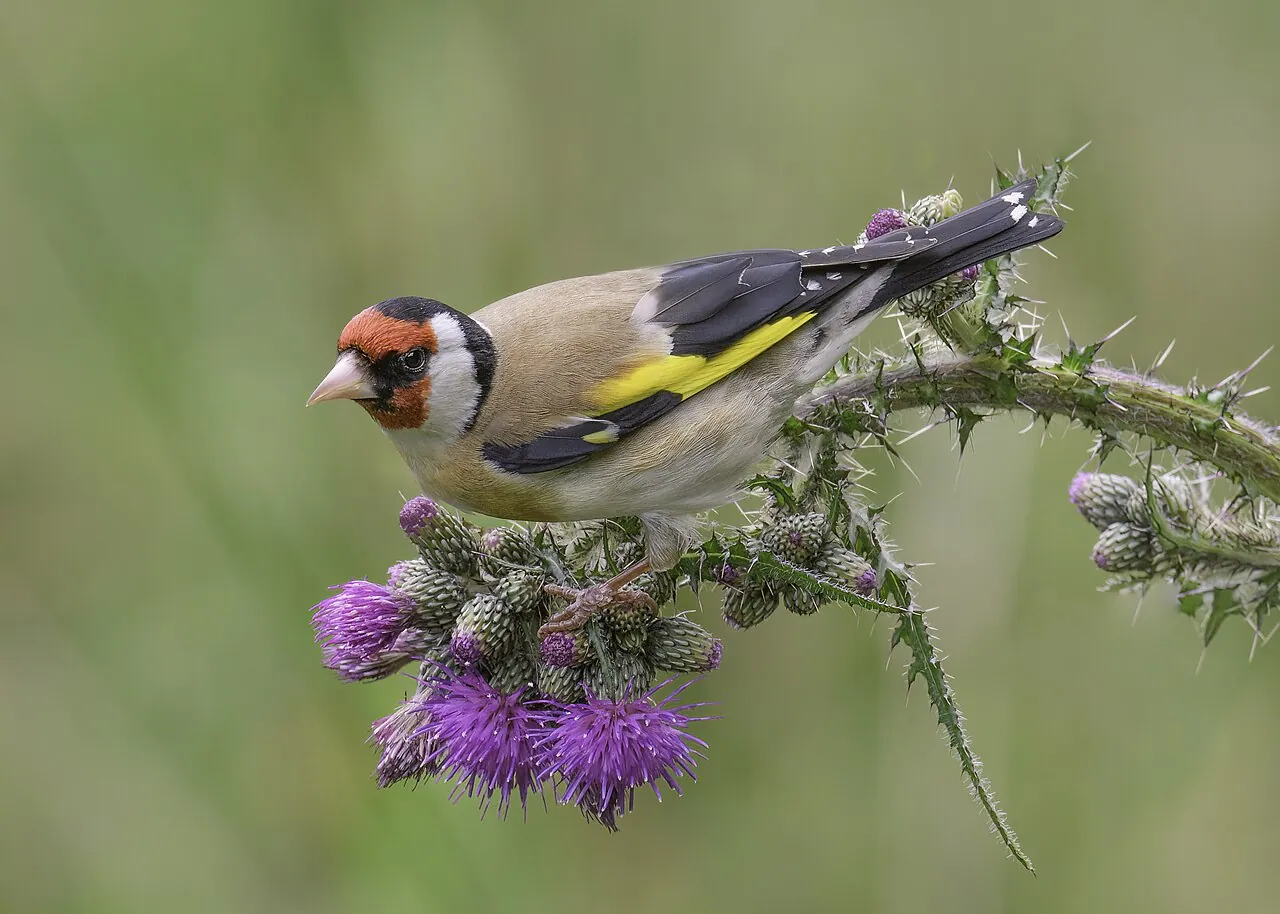
Seedheads can keep a border interesting after the flowers fade. Choose which ones to retain by their structure, position and observed use, rather than leaving every stem indiscriminately.
A living garden
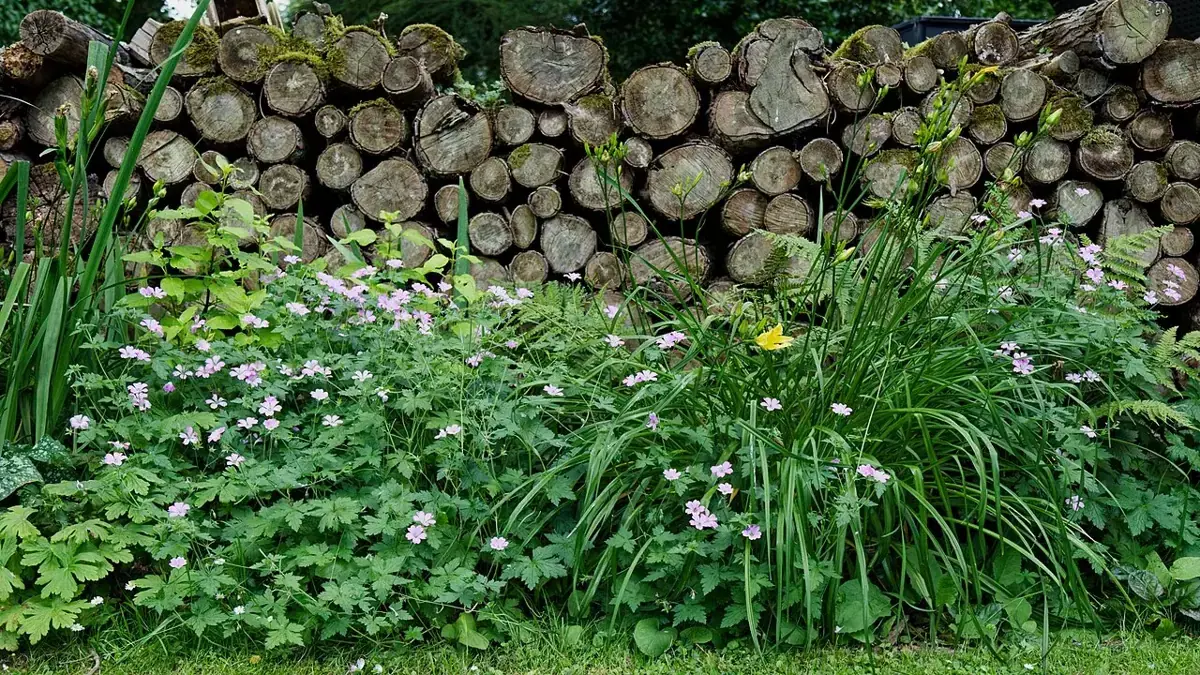
A log pile can be both a quiet habitat and a deliberate garden feature. Choose the position once, build it securely and resist the urge to keep rearranging it.
A living garden
A wildlife-friendly plant choice should fit both the local ecology and the growing conditions. Start with regional guidance rather than assuming a familiar label means the same thing everywhere.
A living garden
Night lighting can reach much farther than the path it is meant to illuminate. Review what each fitting does, then keep only the light that serves a clear purpose.
A living garden
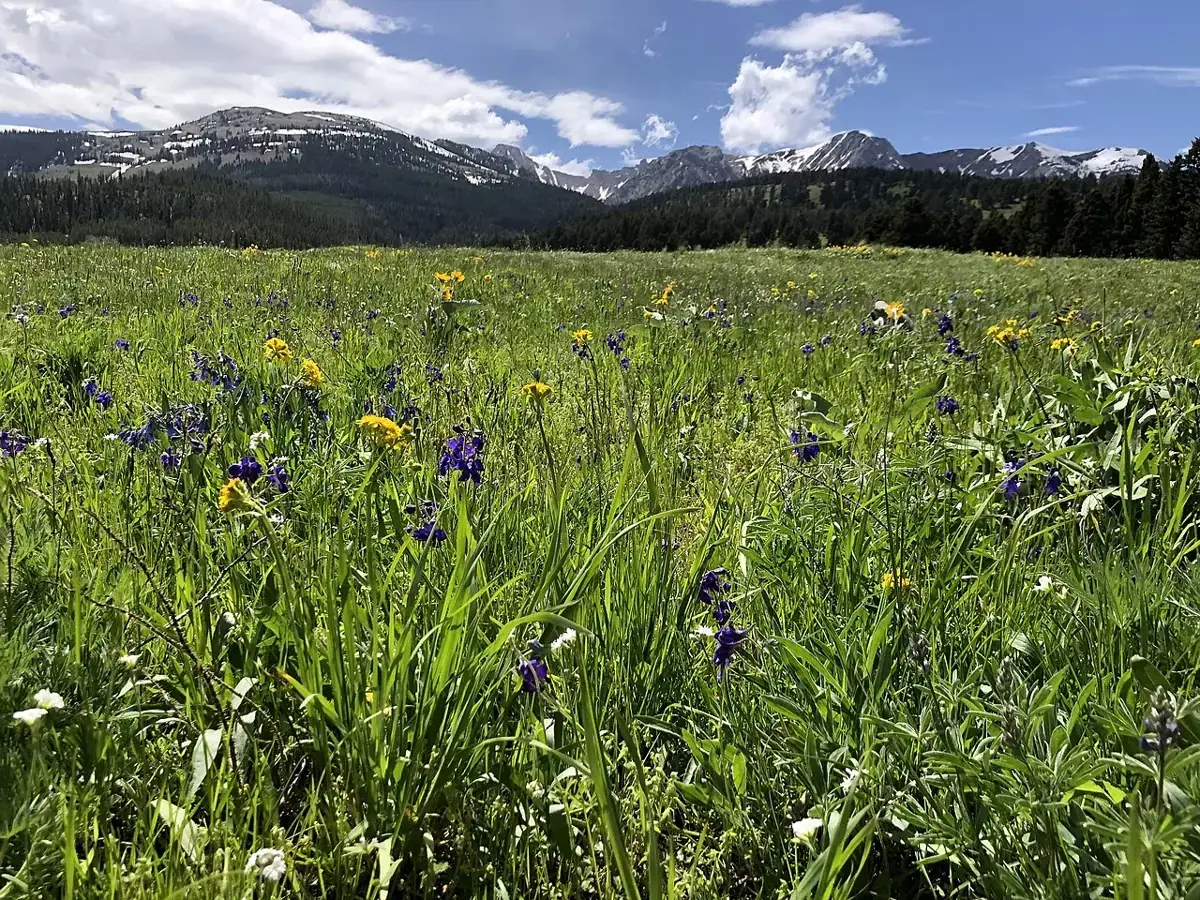
A small meadow needs a clear idea of its plant community and maintenance. Read the seed mixture carefully before replacing a patch of lawn or bare soil.
A living garden
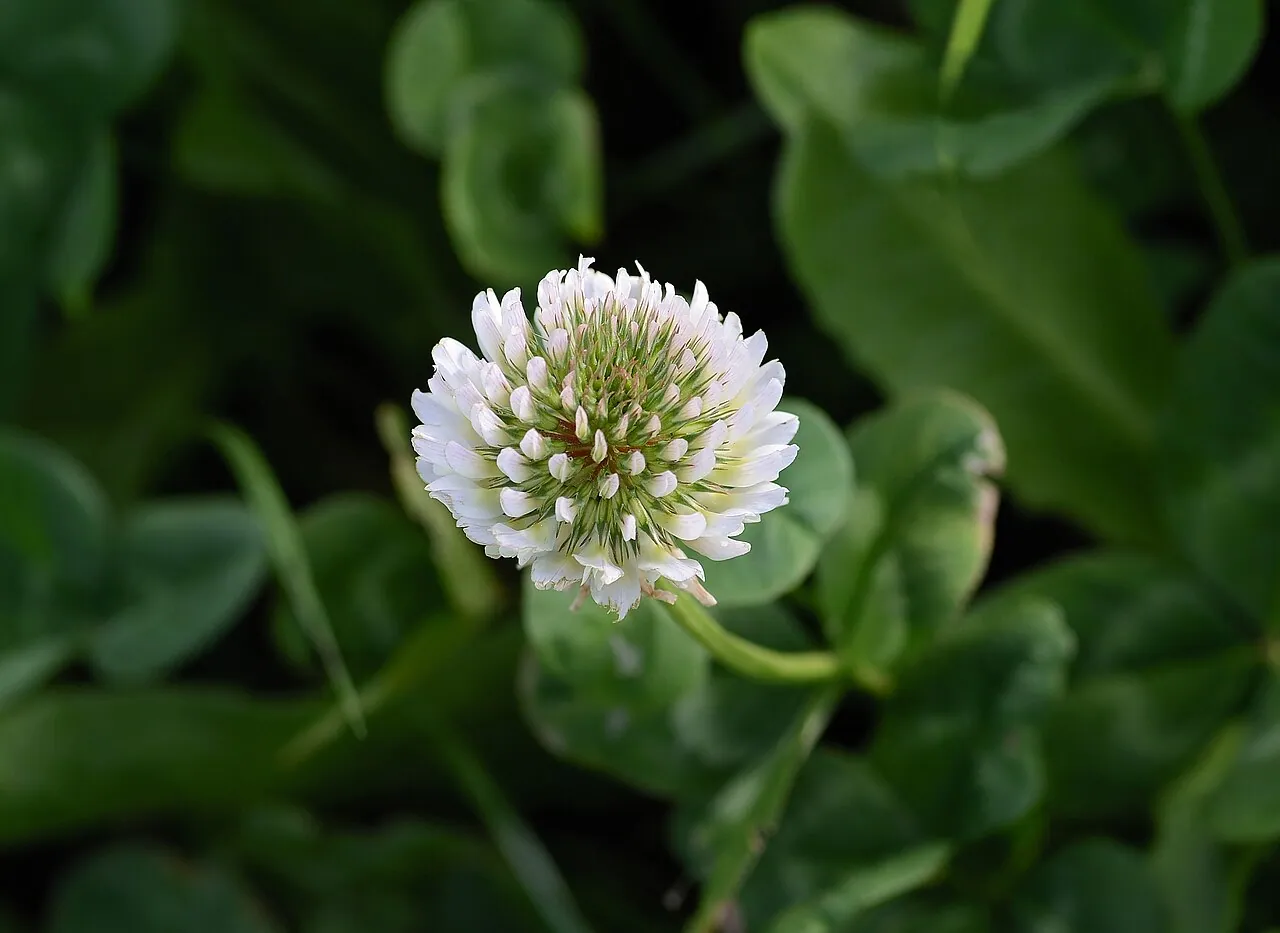
White clover can belong in a relaxed lawn, but its spread, flowers and use underfoot should fit the way the space is shared.
A living garden
A hedge is both a boundary and a living structure. Choose its species and maintenance pattern together so that it remains manageable without losing all seasonal interest.
A living garden
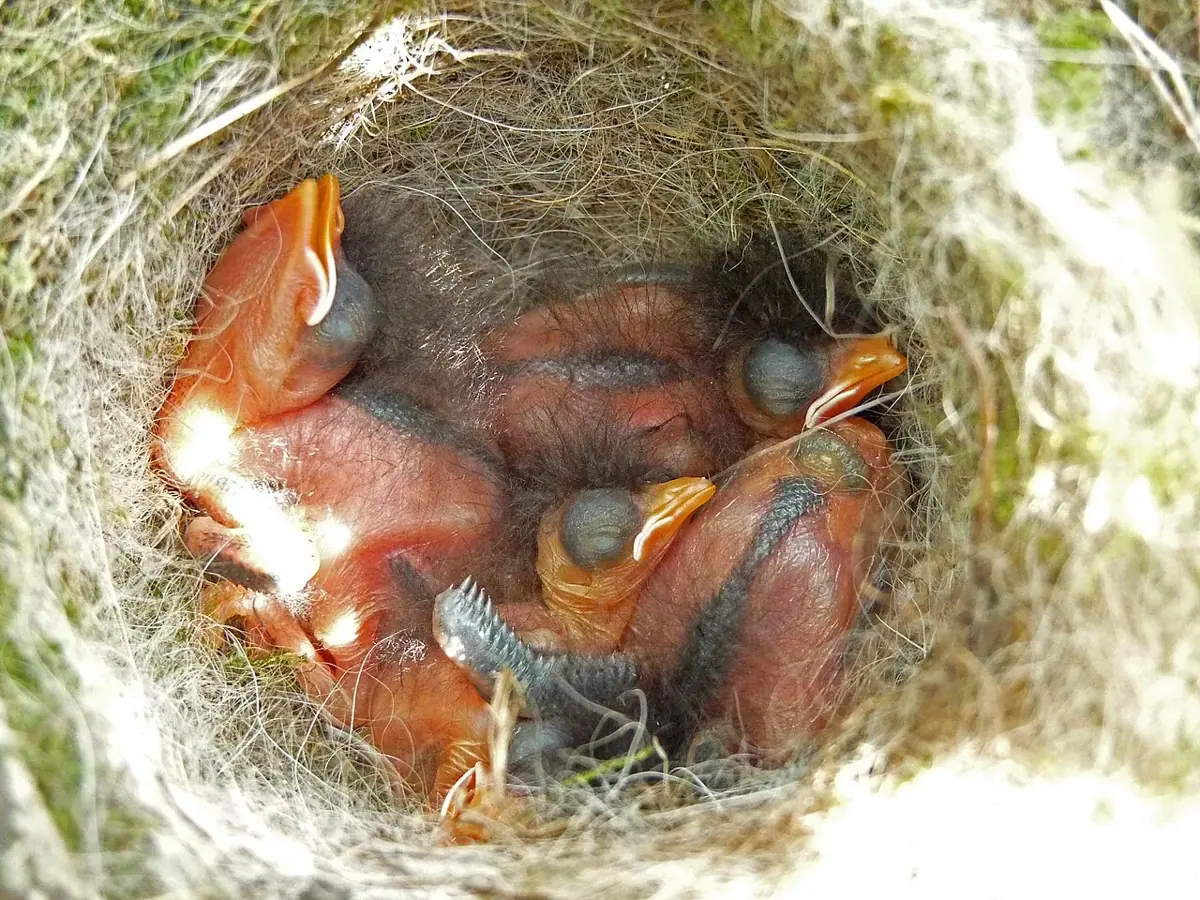
A hedge can look still while birds are using it. Build a calm observation period into pruning plans, and let signs of activity change the schedule.
A living garden
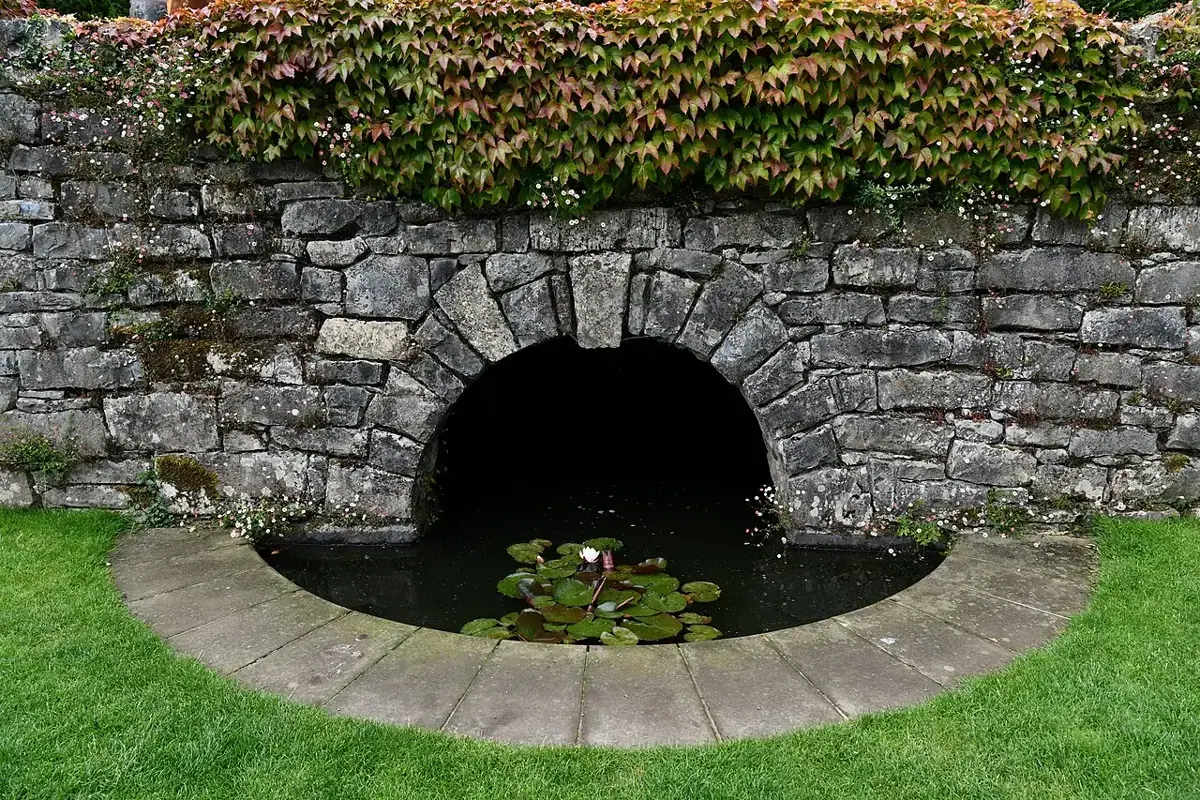
A small pond can add a new kind of life to a garden. Plan safe access, stable edges and suitable planting before choosing the decorative finish.
A living garden
Aquatic plants occupy different depths and grow at very different speeds. A balanced small pond begins with matching each plant to its place rather than filling every open patch.
A living garden
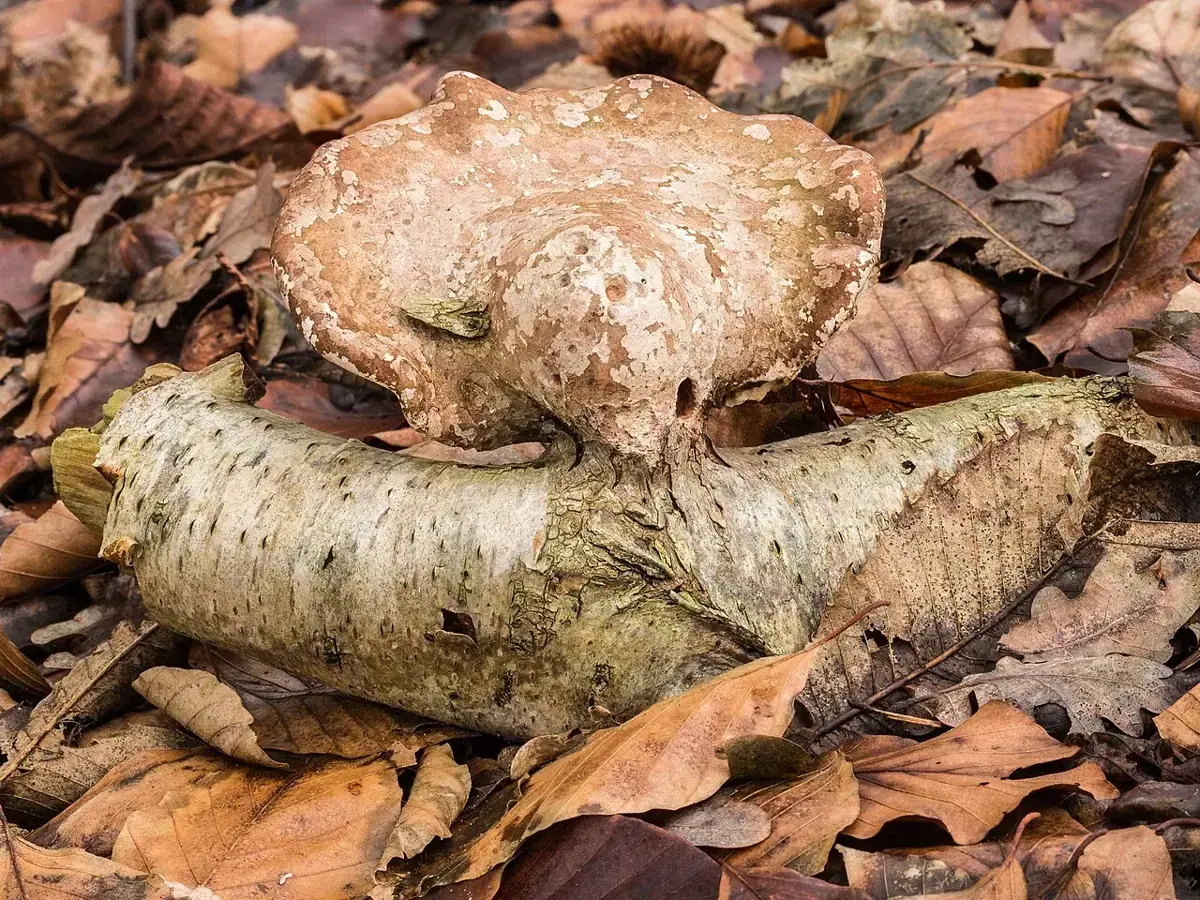
A quiet leaf-litter corner can connect planted areas and shelter small life. Choose where leaves can stay, while keeping paths, drains and sensitive plants clear.
A living garden
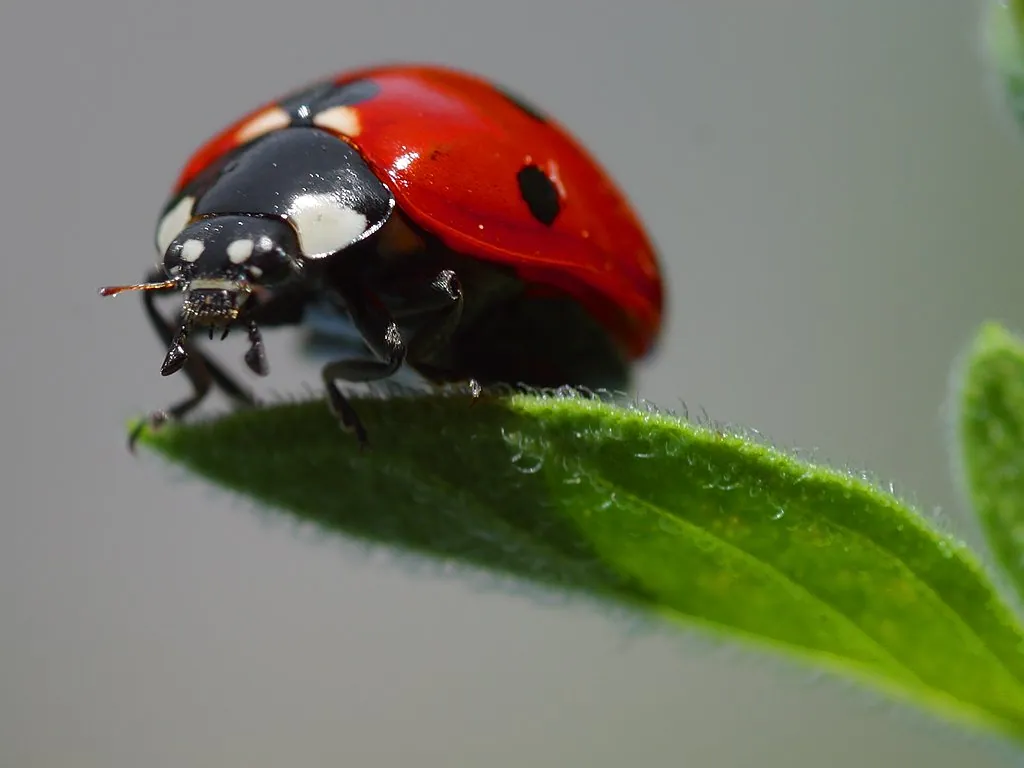
A damaged leaf is a reason to investigate, not an automatic instruction to spray. Identify the organism, the extent of injury and the options before choosing a response.
A living garden
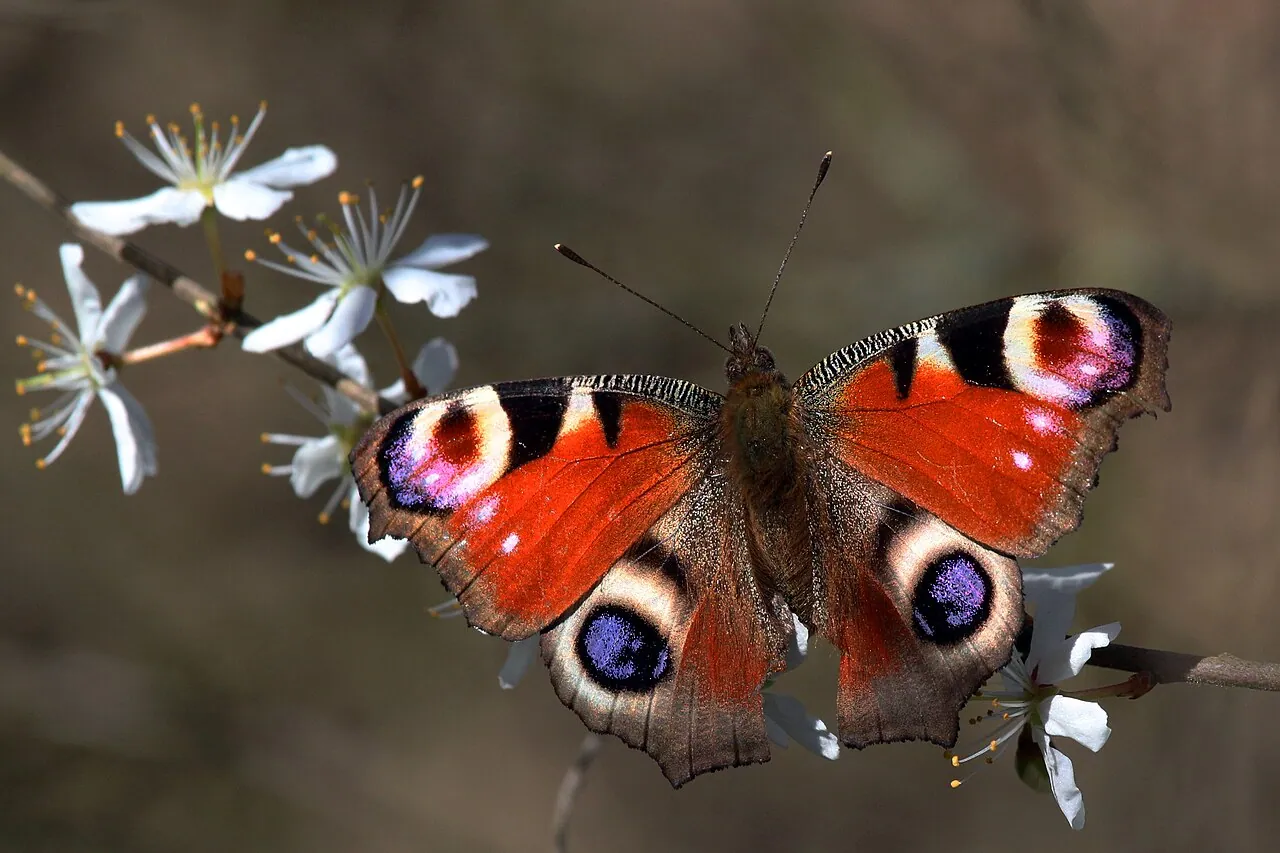
Adult butterflies and their caterpillars need different resources. A useful butterfly garden considers the whole life cycle, including the leaves that may be eaten.
A living garden
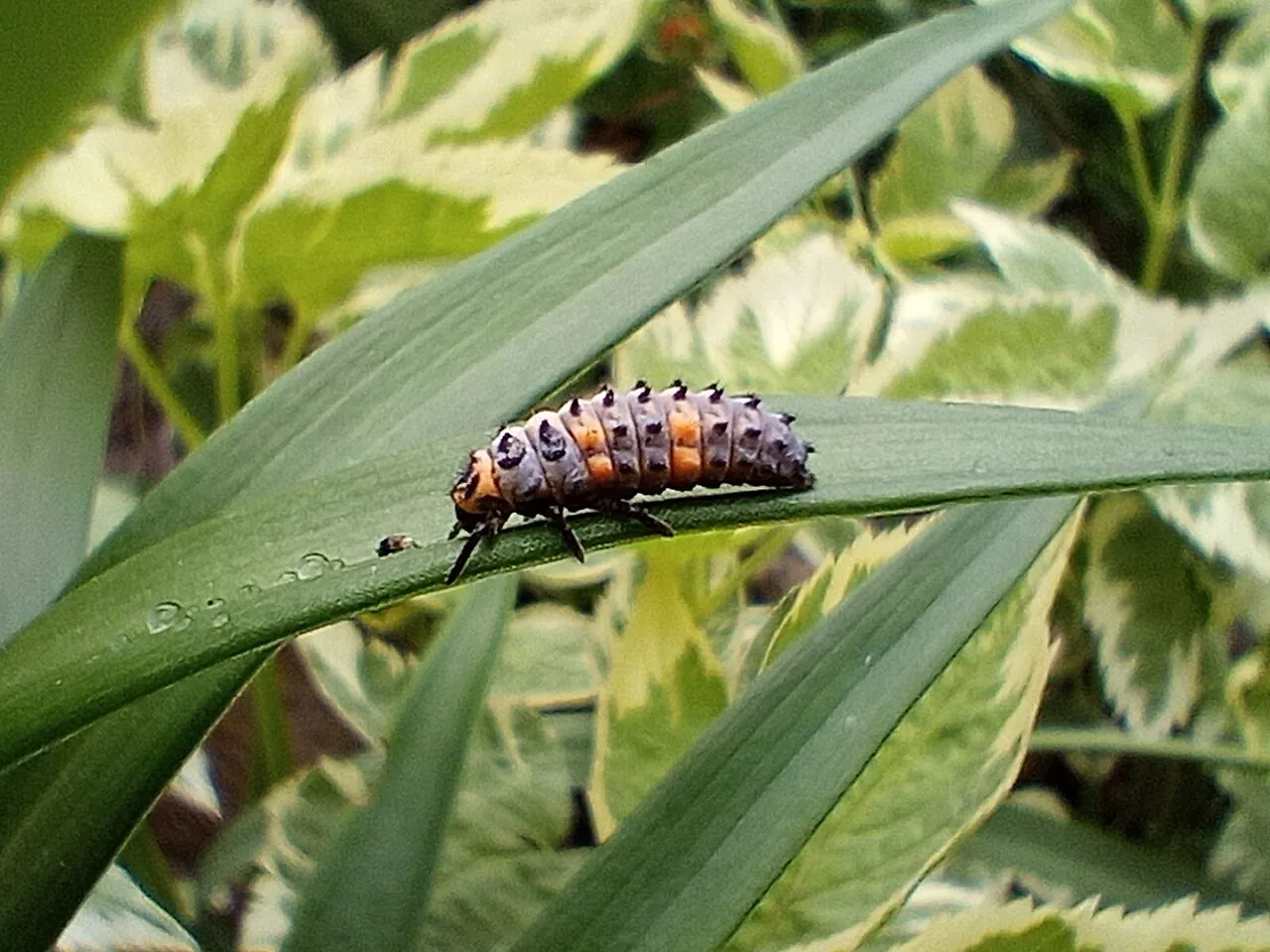
The young stage of a familiar insect may look unfamiliar. Pause before removing a dark, active larva from a plant, and compare its features with a reliable guide.
A living garden
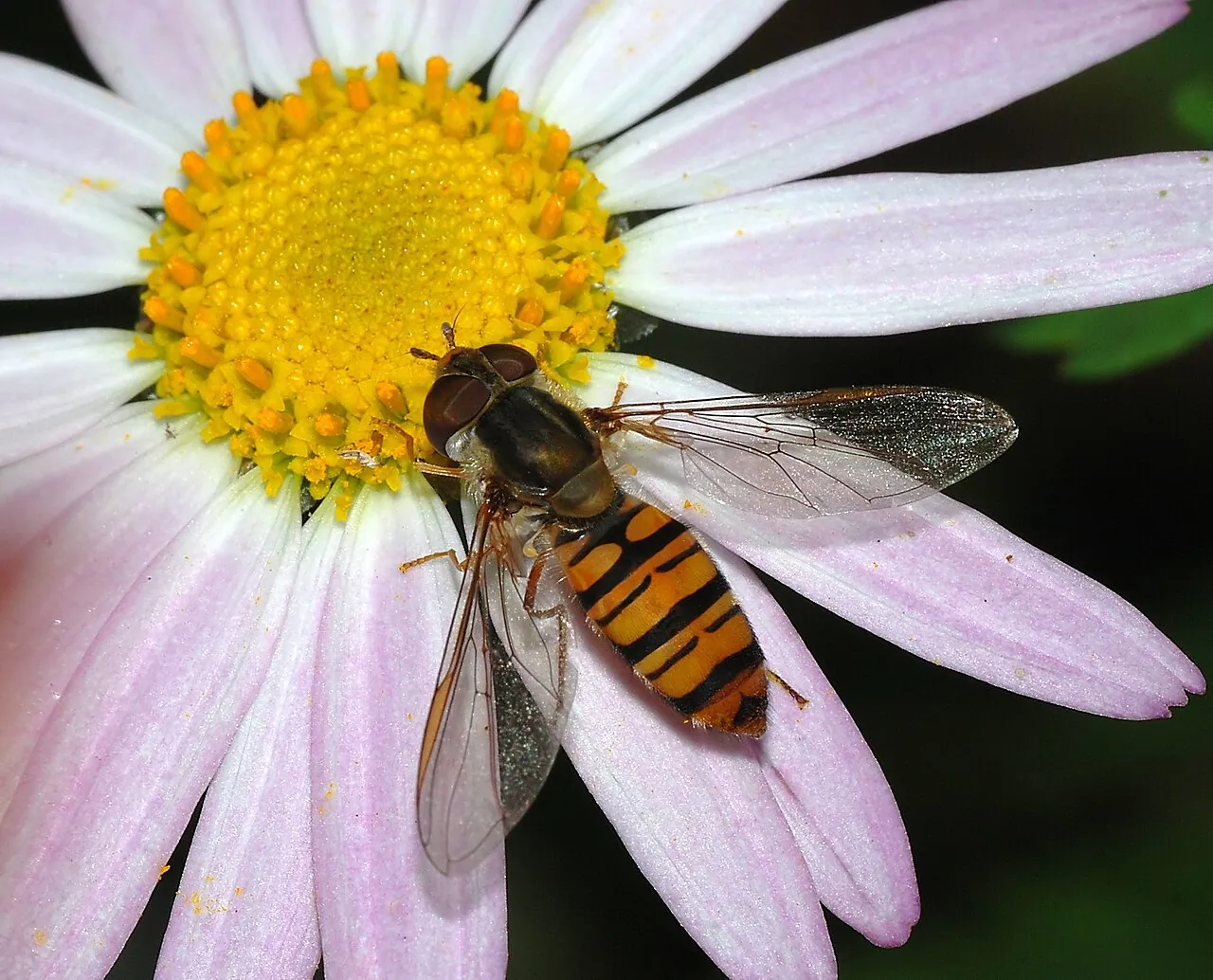
Hoverflies are easy to overlook beside more familiar bees. Provide suitable flowers and learn to recognise their visits without assuming every striped insect is the same.
A living garden
A wildlife notebook becomes more useful when the observations are comparable. Choose a small area, a repeatable watch and a clear way to record uncertainty.