Soil & containers
A good pot starts at the bottom
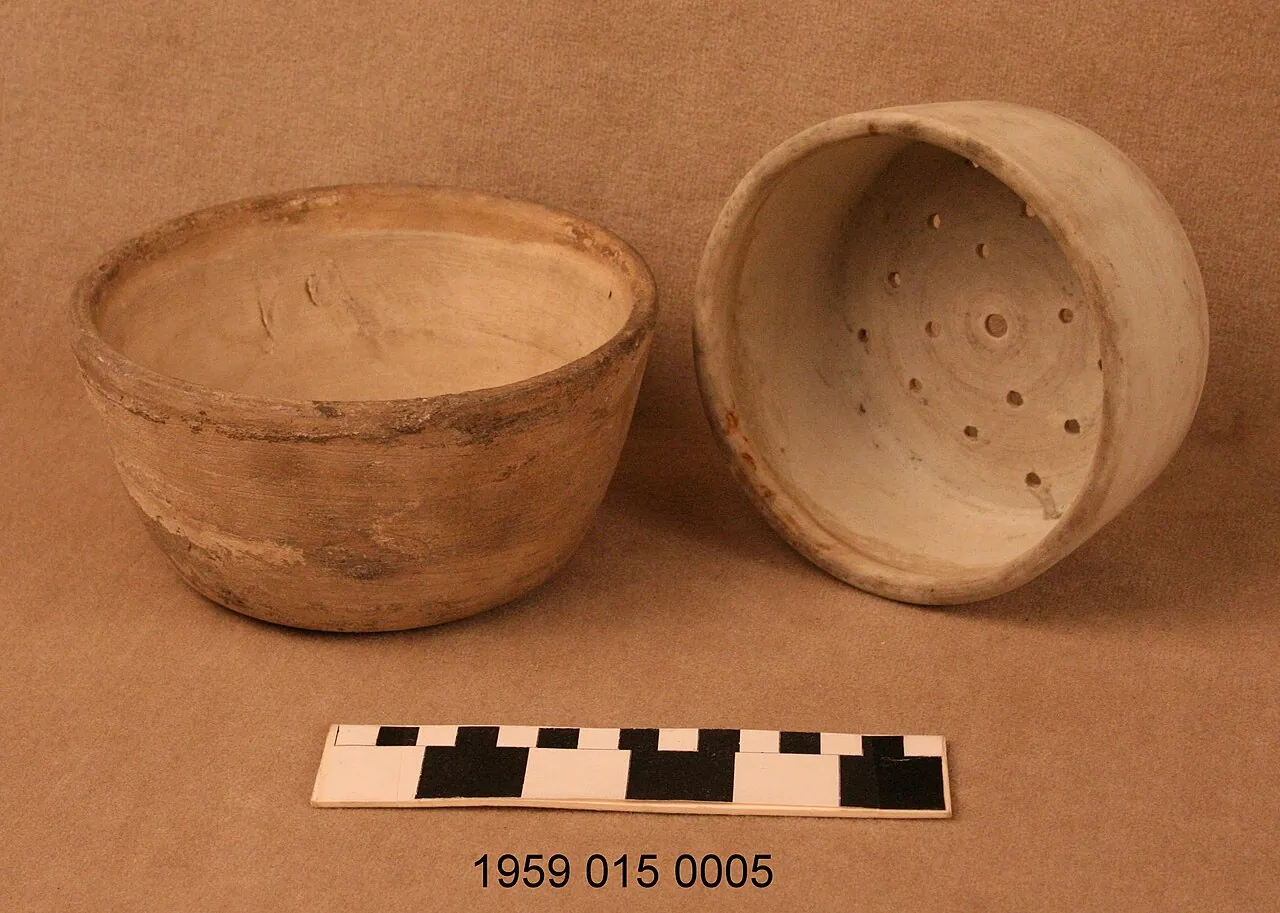
Container drainage begins with an open route out of the pot and a suitable growing medium; decorative gravel at the bottom cannot make a sealed vessel drain.
2 min read
A little dirt.
A little patience.
Good growing starts below the surface. Get to know your mix, your containers and the roots inside them.
Pick a page. Stay a while.
A larger pot is useful when the roots need space, but slow growth alone is not a diagnosis; inspect the root ball and growing conditions before choosing the next container.
Open this story ↗Soil & containers
Container drainage begins with an open route out of the pot and a suitable growing medium; decorative gravel at the bottom cannot make a sealed vessel drain.
Soil & containers
Potting mix is designed for a confined root space, where water and air behave differently from an open bed; the bag's intended use matters more than the word soil.
Soil & containers
A root ball that stays wet tells a story about pot size, medium, light and root activity; drooping leaves above it should prompt inspection before another watering.
Soil & containers
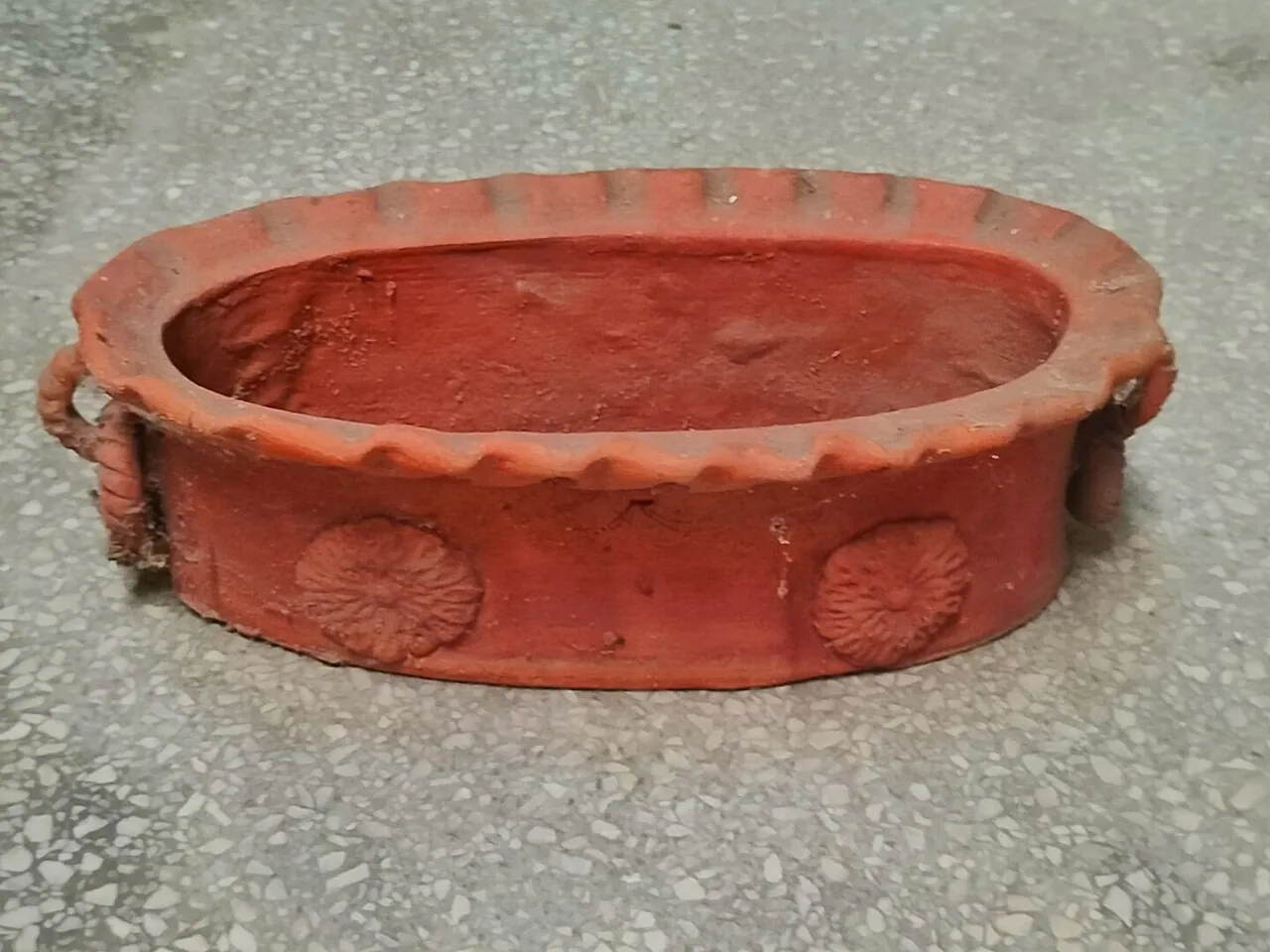
Terracotta and plastic change how a pot dries and how easily it moves; choose between them by matching the material to the plant, exposure and your watering habits.
Soil & containers
A sour or ammonia-like compost smell is a clue to inspect moisture, ingredients and air spaces; adding another layer on top may hide the problem without correcting it.
Soil & containers
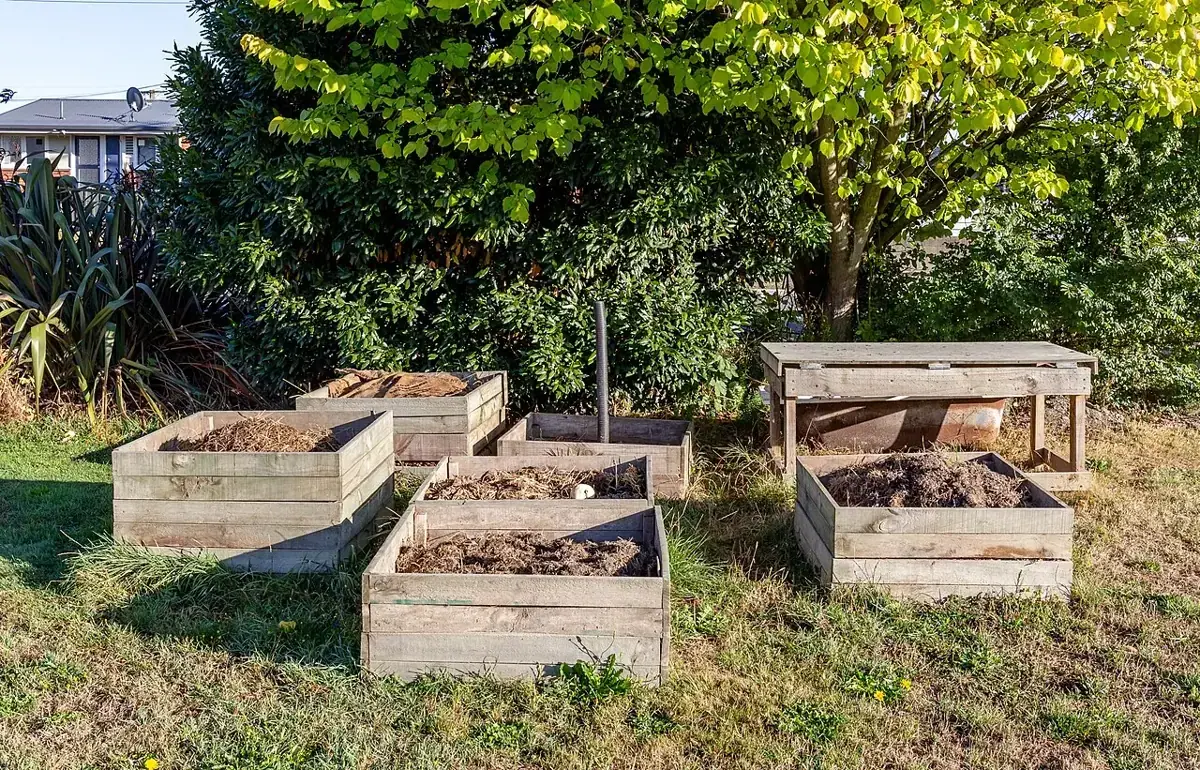
A small compost bin needs a varied supply of moist and dry material that you can add consistently; keeping a reserve of browns makes kitchen scraps easier to manage.
Soil & containers
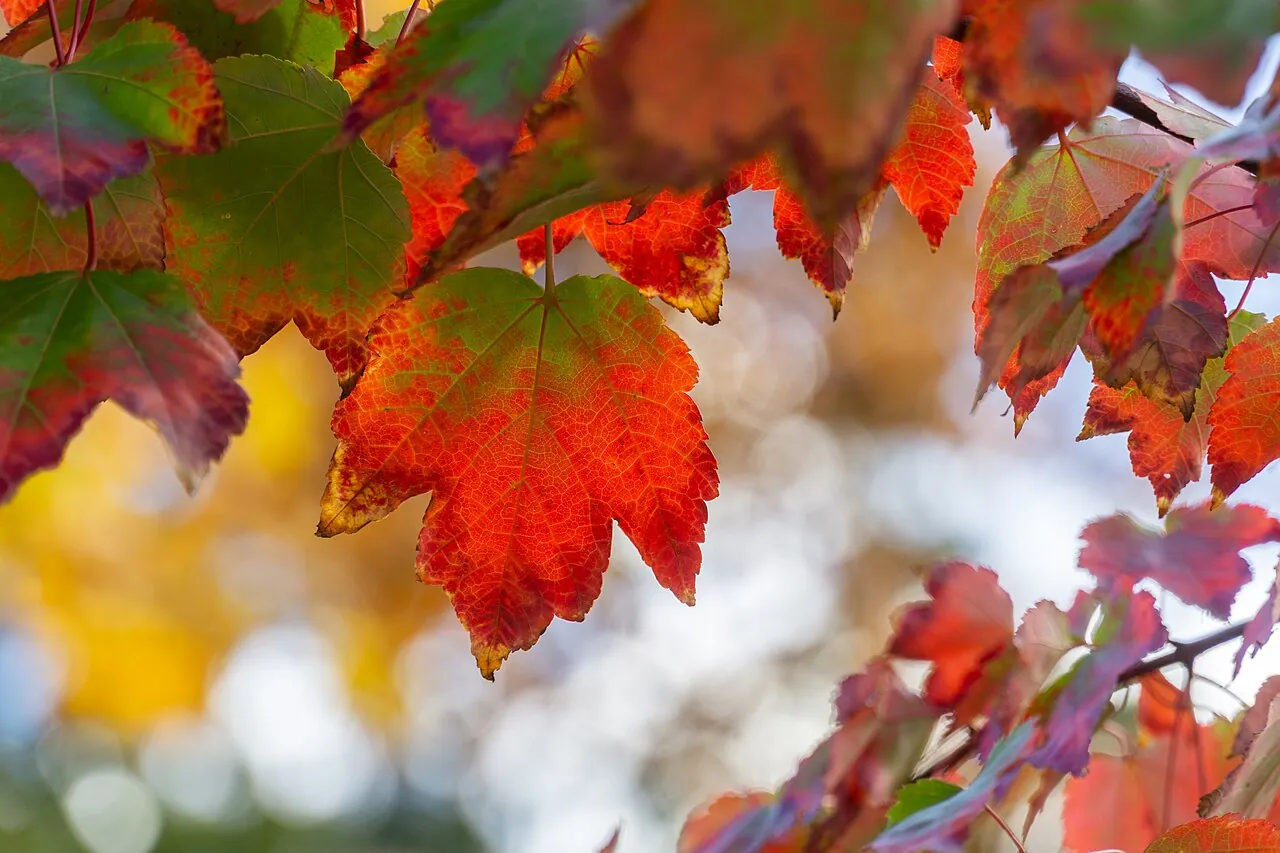
Leaf mould asks for space, moisture and patience more than elaborate equipment; a labelled bag or small enclosure can turn seasonal leaves into a useful soil conditioner.
Soil & containers
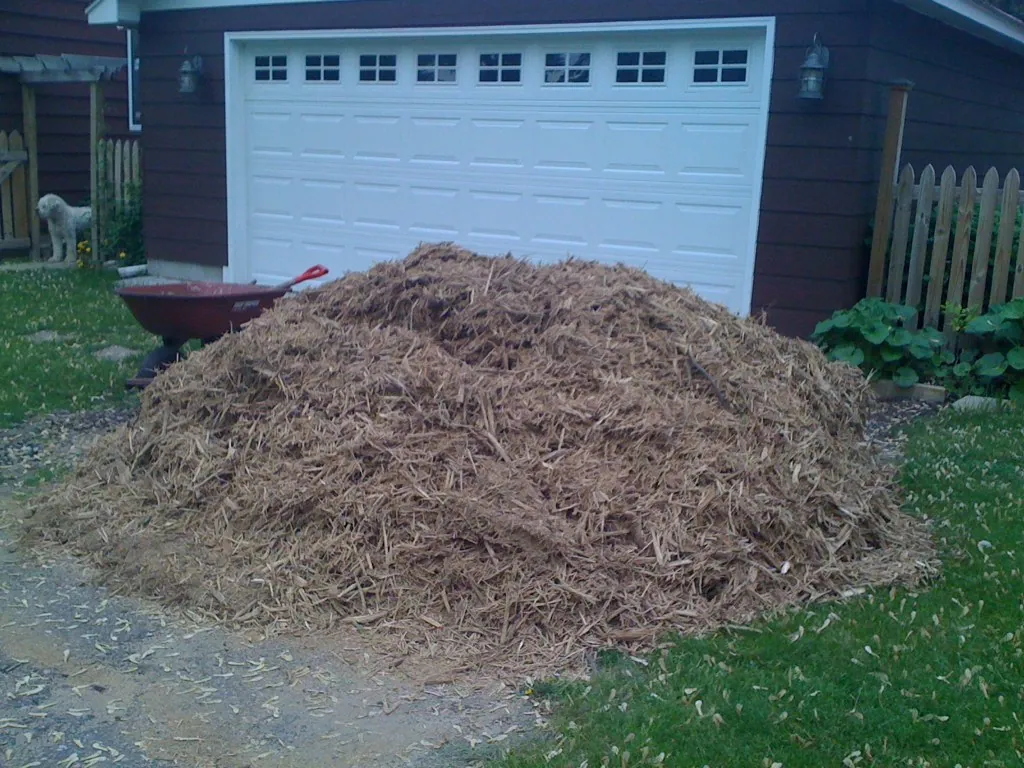
Mulch belongs over the soil, with deliberate space around crowns and stems; the final edge matters as much as the material when protecting moisture without burying plants.
Soil & containers
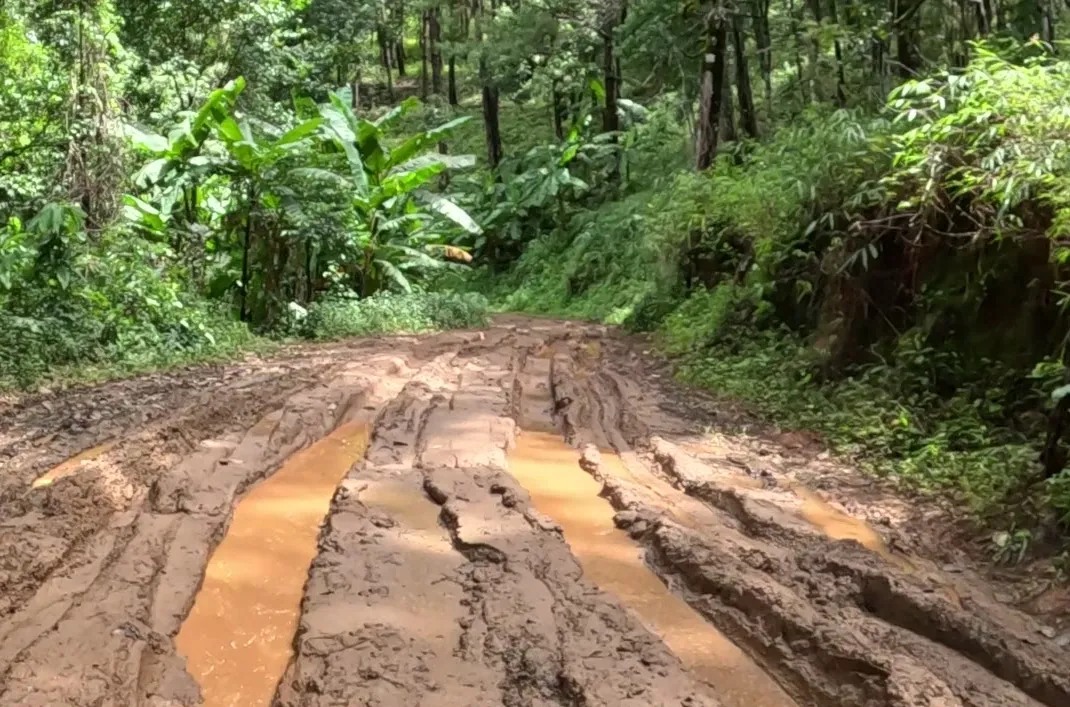
Before rebuilding a wet bed, observe where water arrives, how long it stays and what lies beneath; drainage problems can begin outside the planting area itself.
Soil & containers
Clay can support a generous garden when its structure is protected. Start with access, moisture and suitable plants before trying to change the soil itself.
Soil & containers
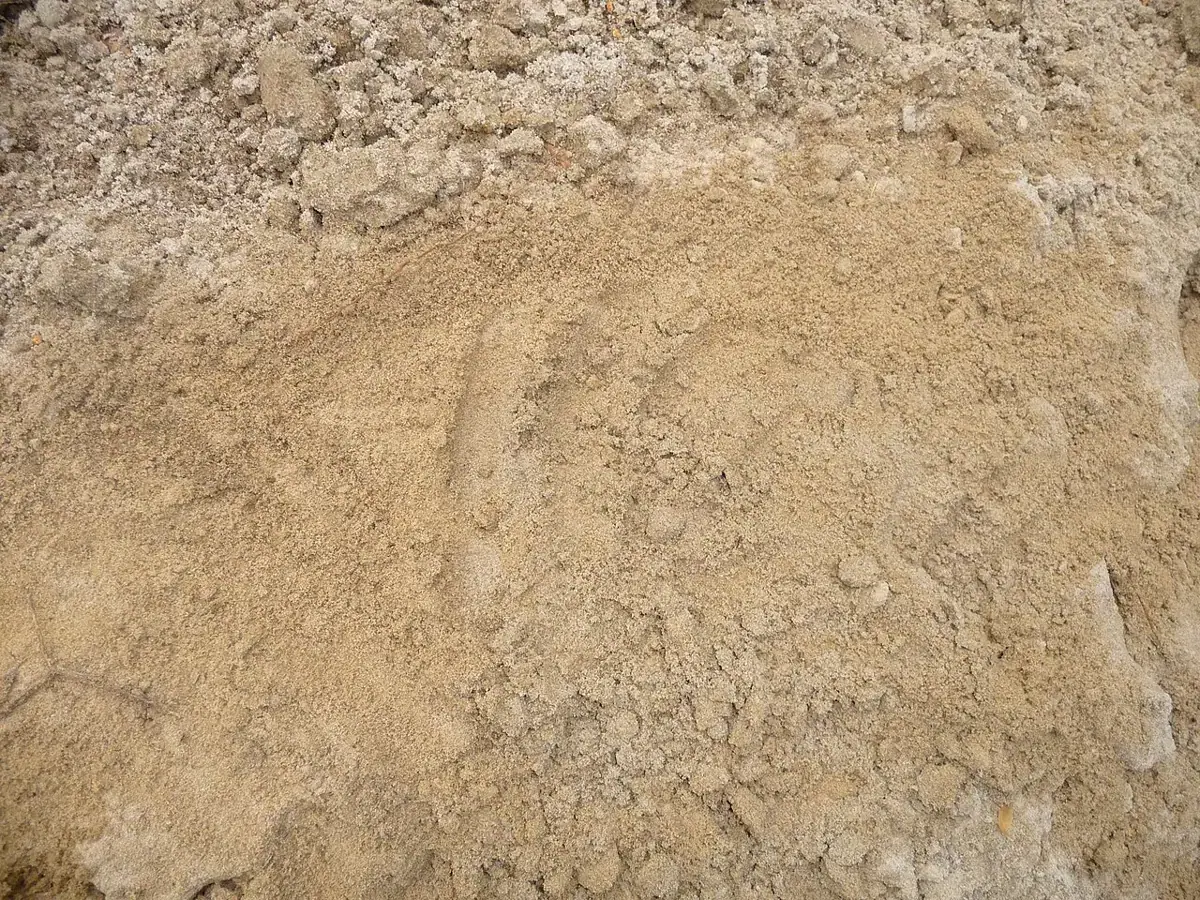
Fast-draining soil rewards repeated, measured additions of organic matter and careful watering. Build a routine that holds moisture without trying to manufacture a different soil.
Soil & containers
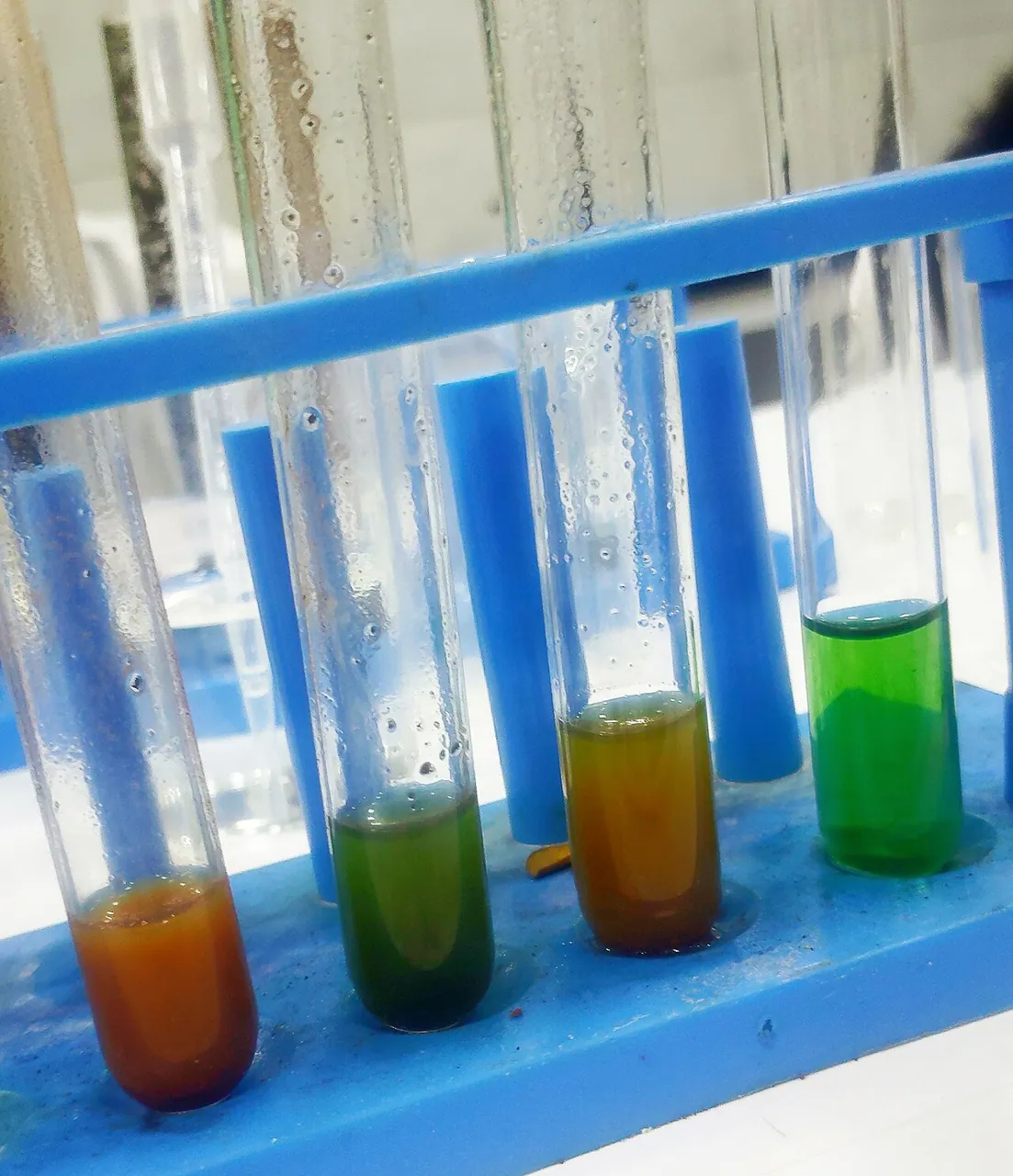
A soil test can prevent a costly attempt to correct the wrong problem. Learn what pH reveals, how to sample and when leaving soil alone is wiser.
Soil & containers
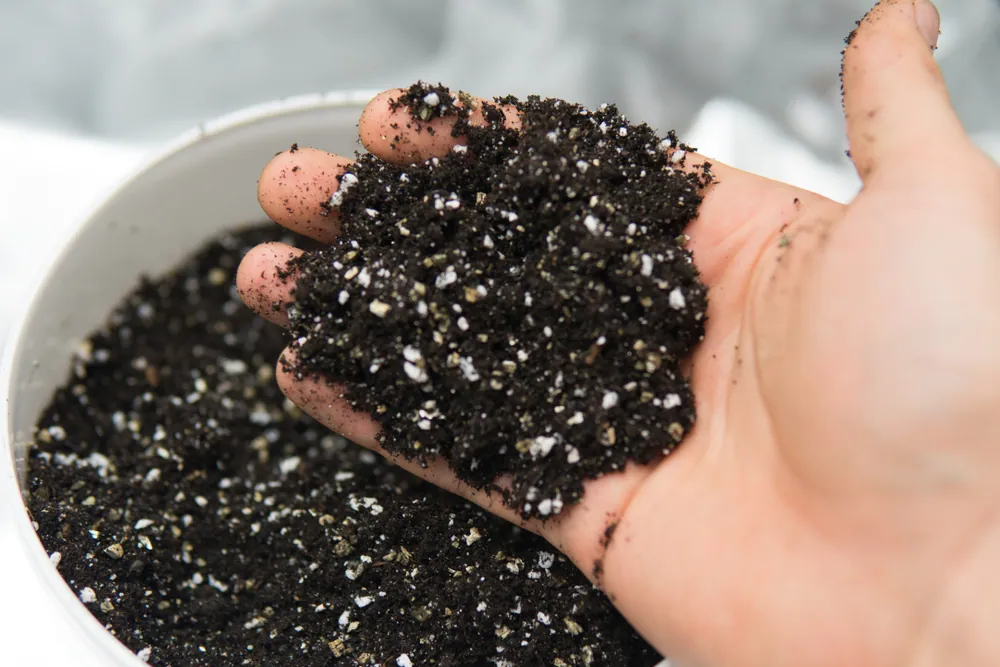
Potting ingredients have different jobs. Choose perlite, grit or a ready-made mix by the root environment you need, rather than by a universal recipe.
Soil & containers
A decorative pot needs a real route for excess water. Understand the difference between a drainage opening, a removable nursery pot and a hidden reservoir.
Soil & containers
Used potting mix can have another useful life. Decide its next job from the previous crop, remaining structure and growing demands of the next plant.
Soil & containers
Container feeding works best as one coordinated programme. Check the nutrients already in the mix, measure accurately and adjust only when the plant's growth supports it.
Soil & containers
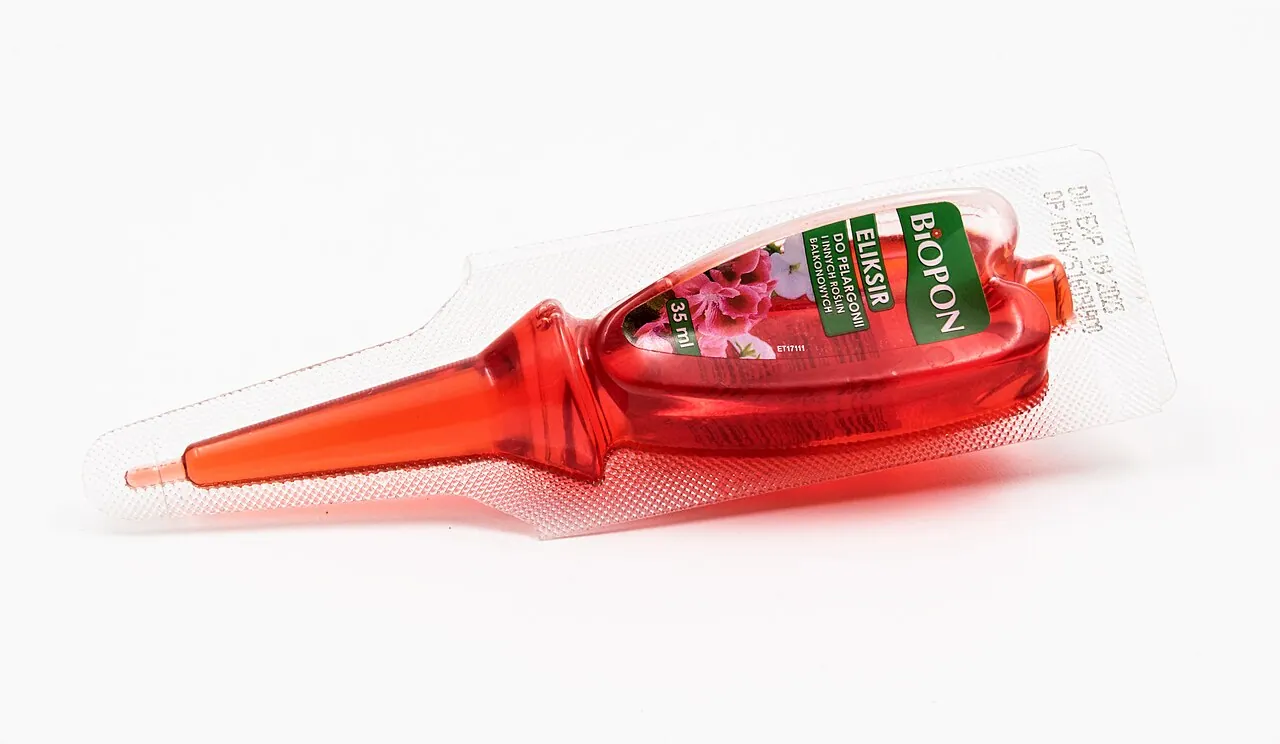
The useful information on a fertiliser package extends beyond its front label. Read nutrient declarations, dilution, timing and application method as one set of instructions.
Soil & containers
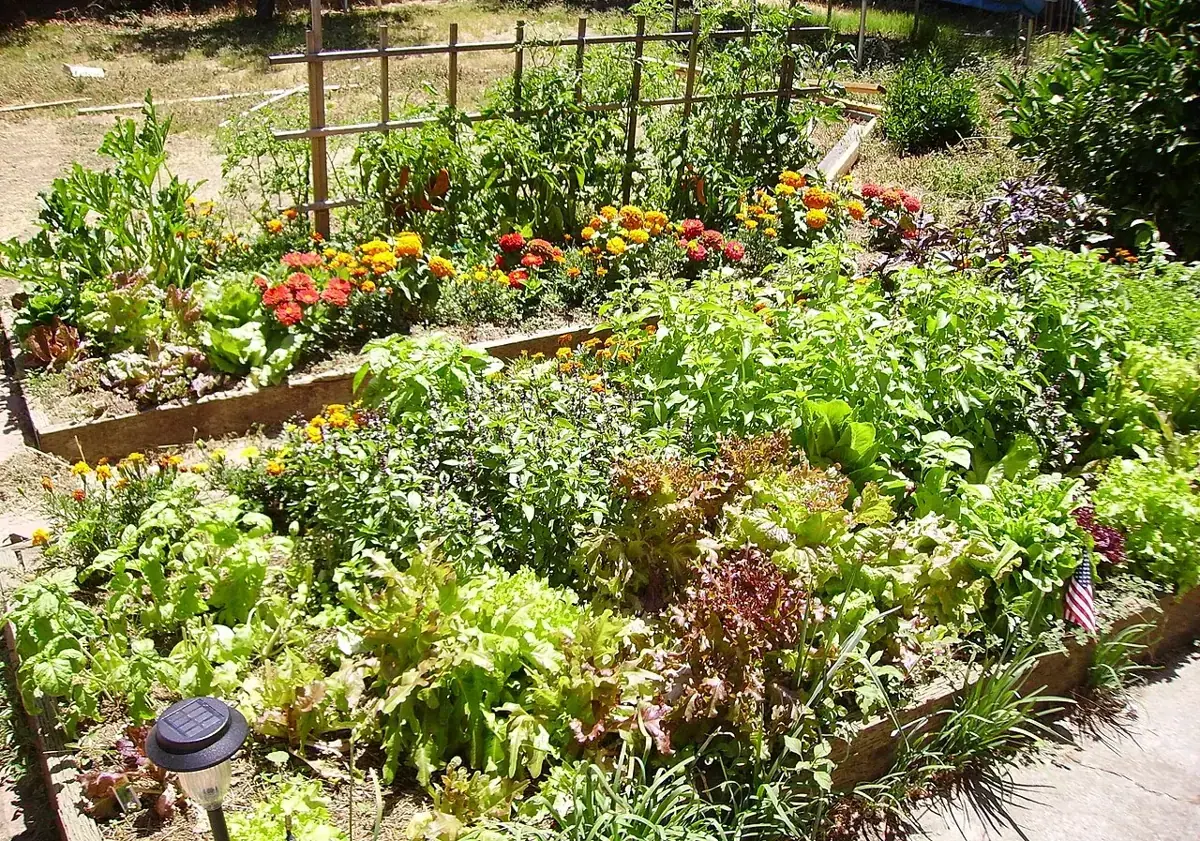
A raised bed succeeds when every routine task is comfortable. Test reach, path width and working height before committing to timber, soil and a permanent footprint.
Soil & containers
Refreshing the surface of a large container can support an established plant. Work gently around roots, preserve the original planting level and recognise when bigger intervention is needed.