Small-space design
One colour, many shades in a flower border
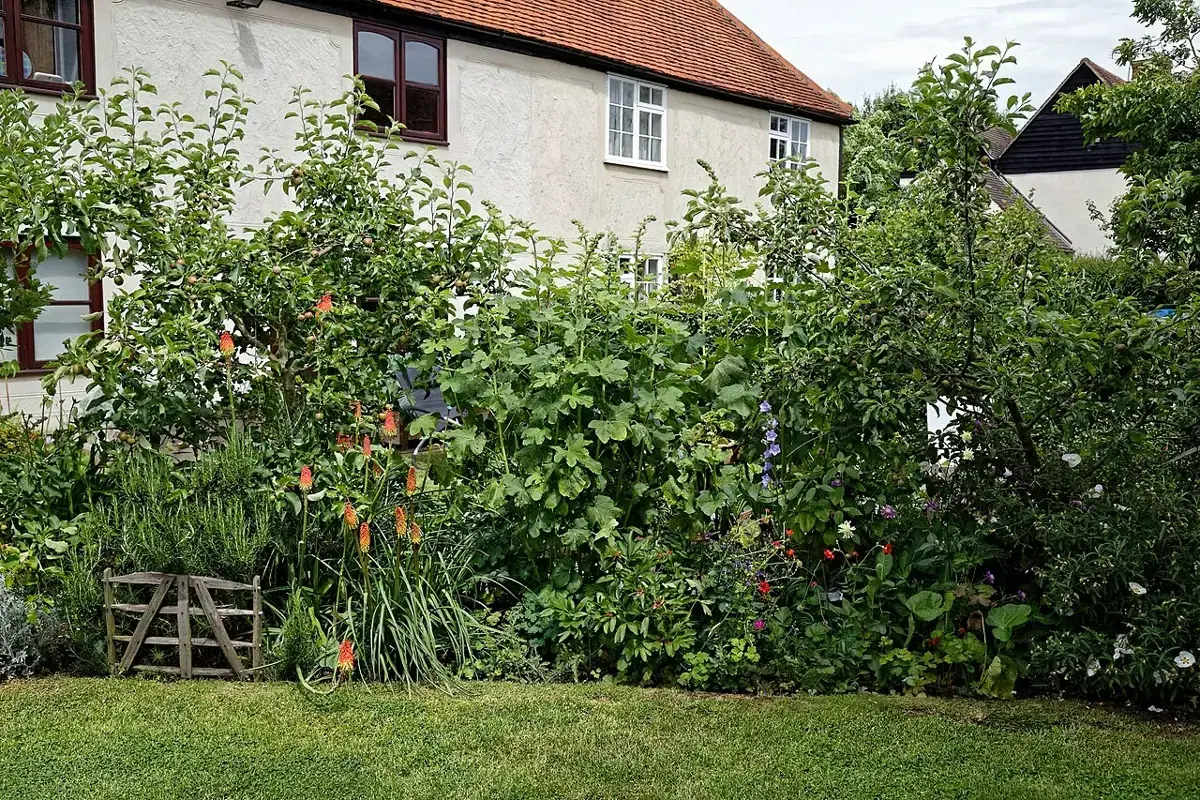
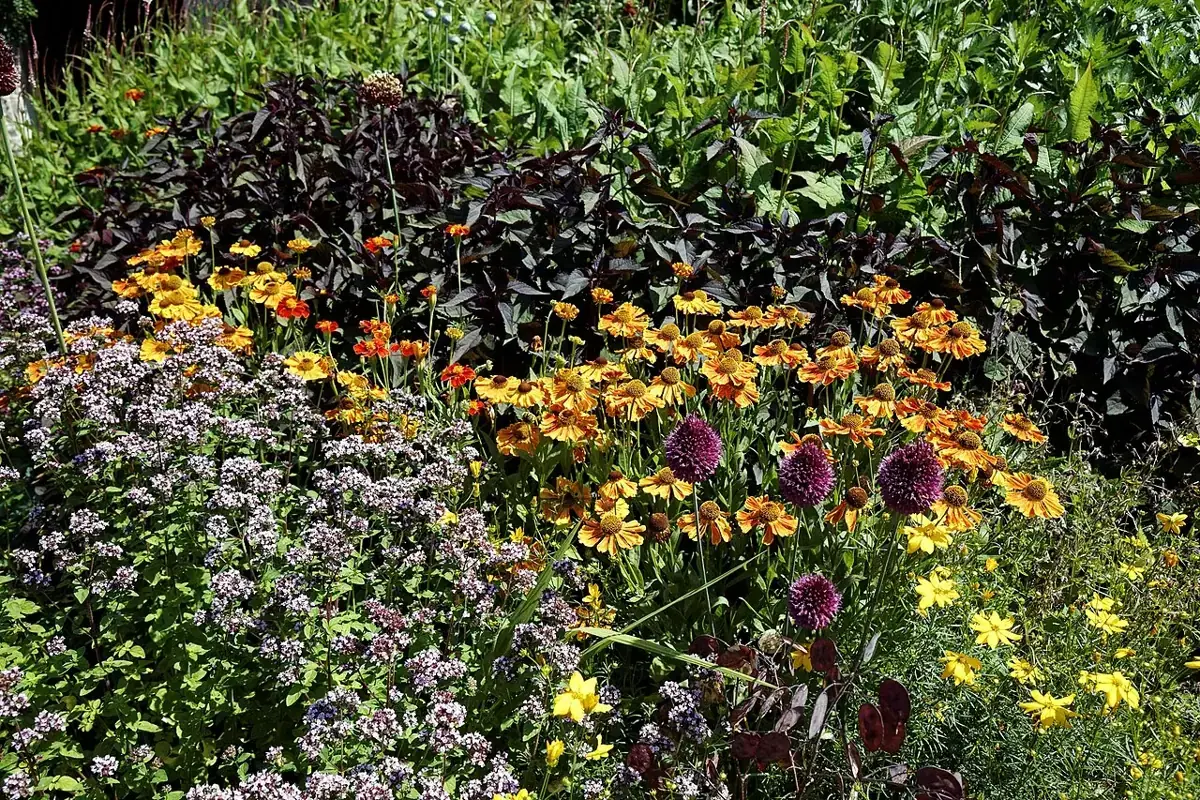
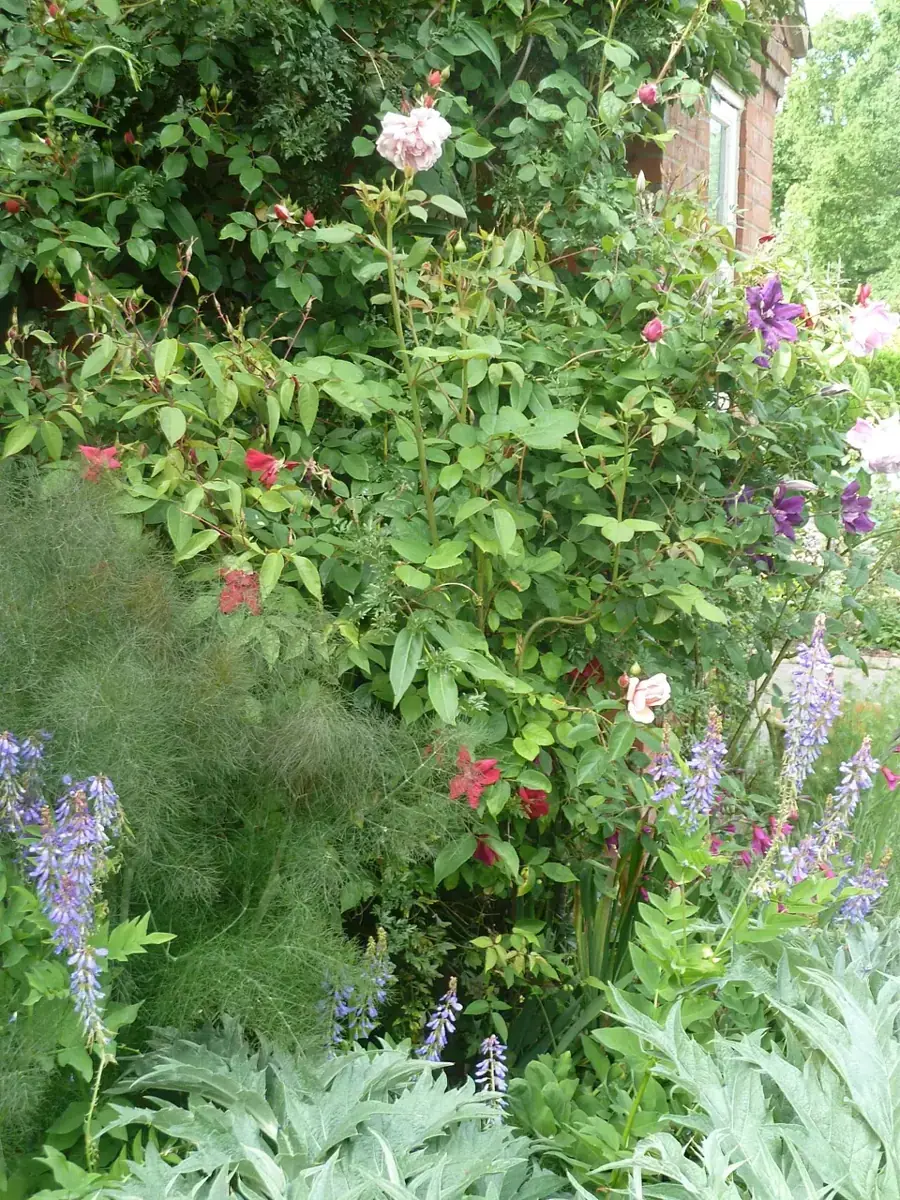
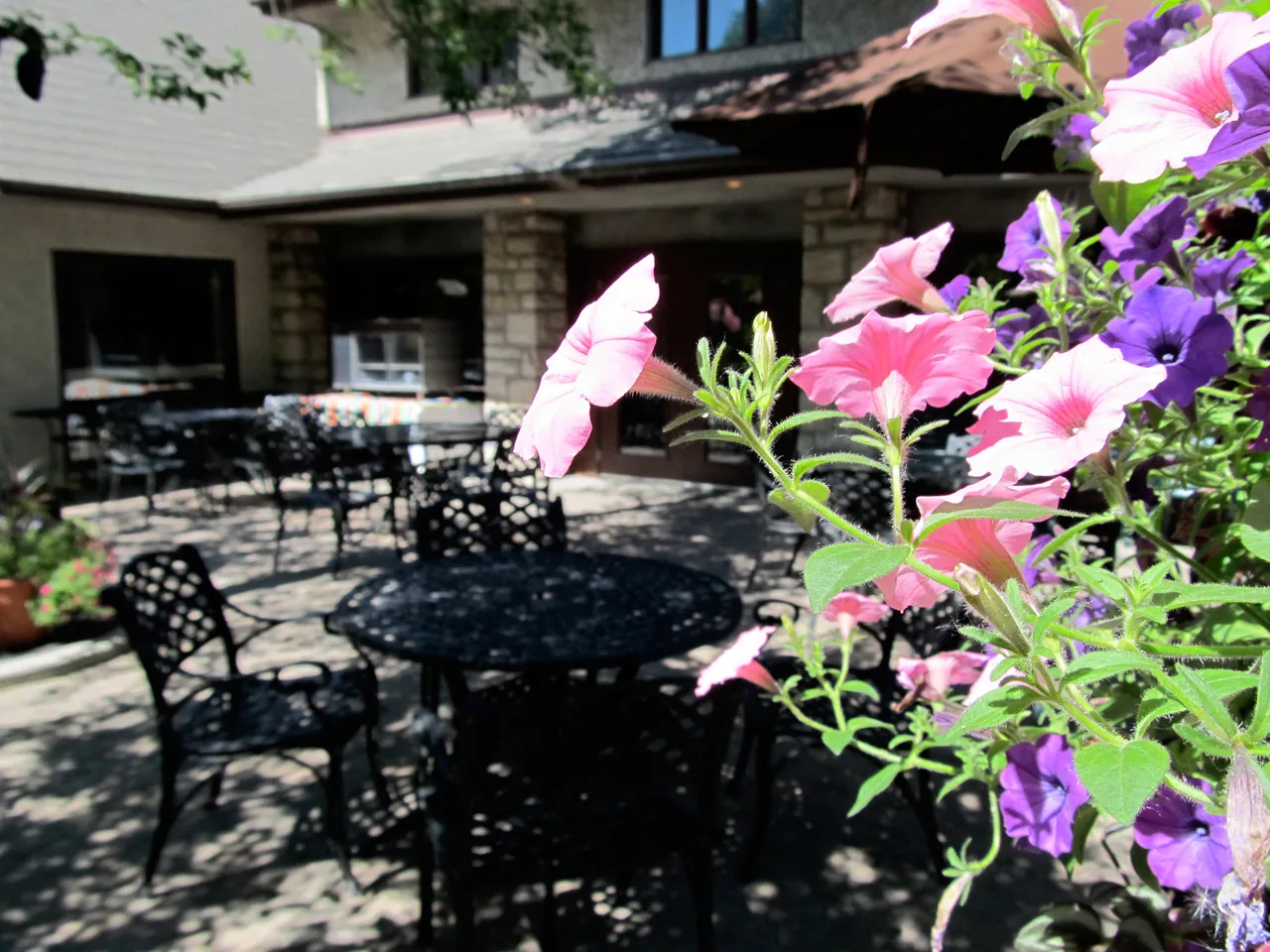
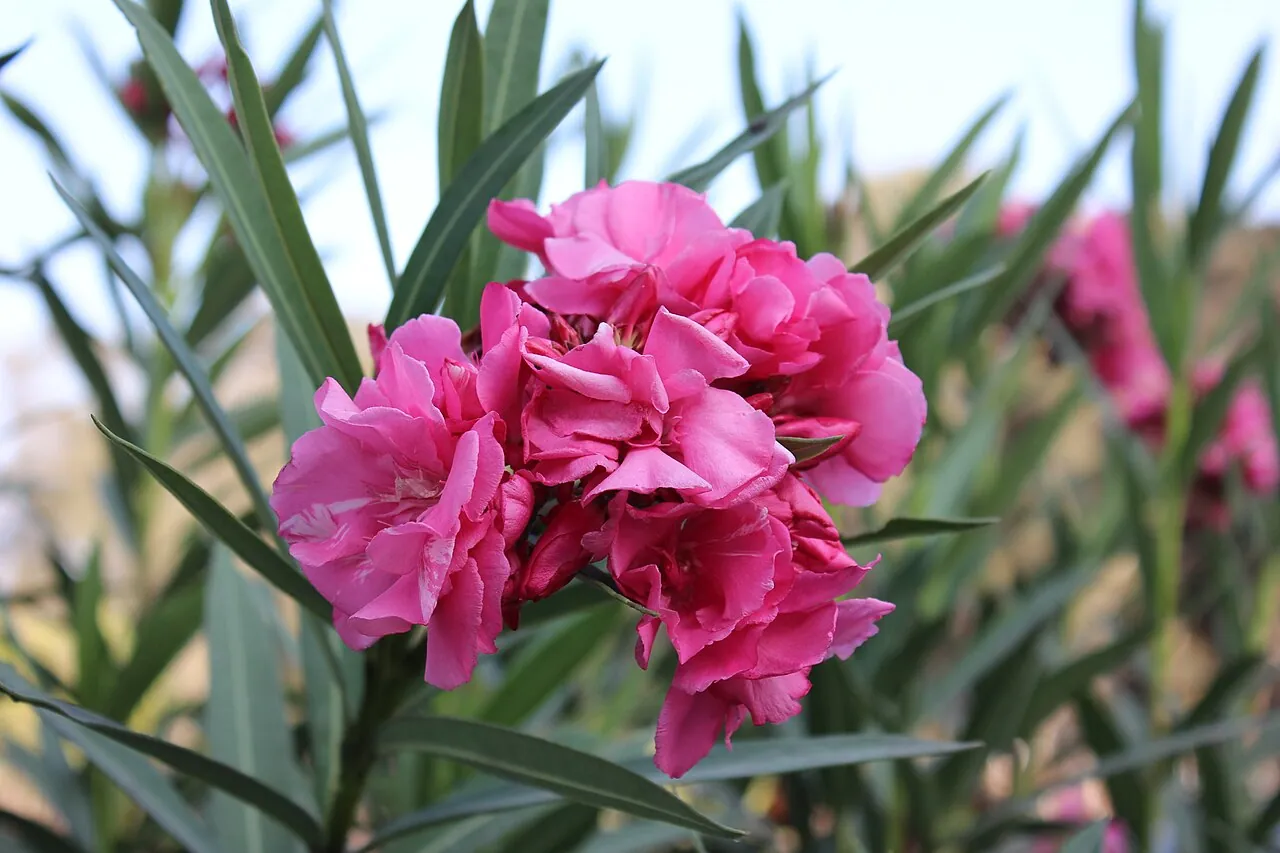
A single-colour border can hold plenty of variety. Use differences in tone, flower shape and season, then let green foliage create the pauses between them.
2 min read
A little dirt.
A little patience.
Build a garden around the space you have, the way you live and the plants you love to tend.
Pick a page. Stay a while.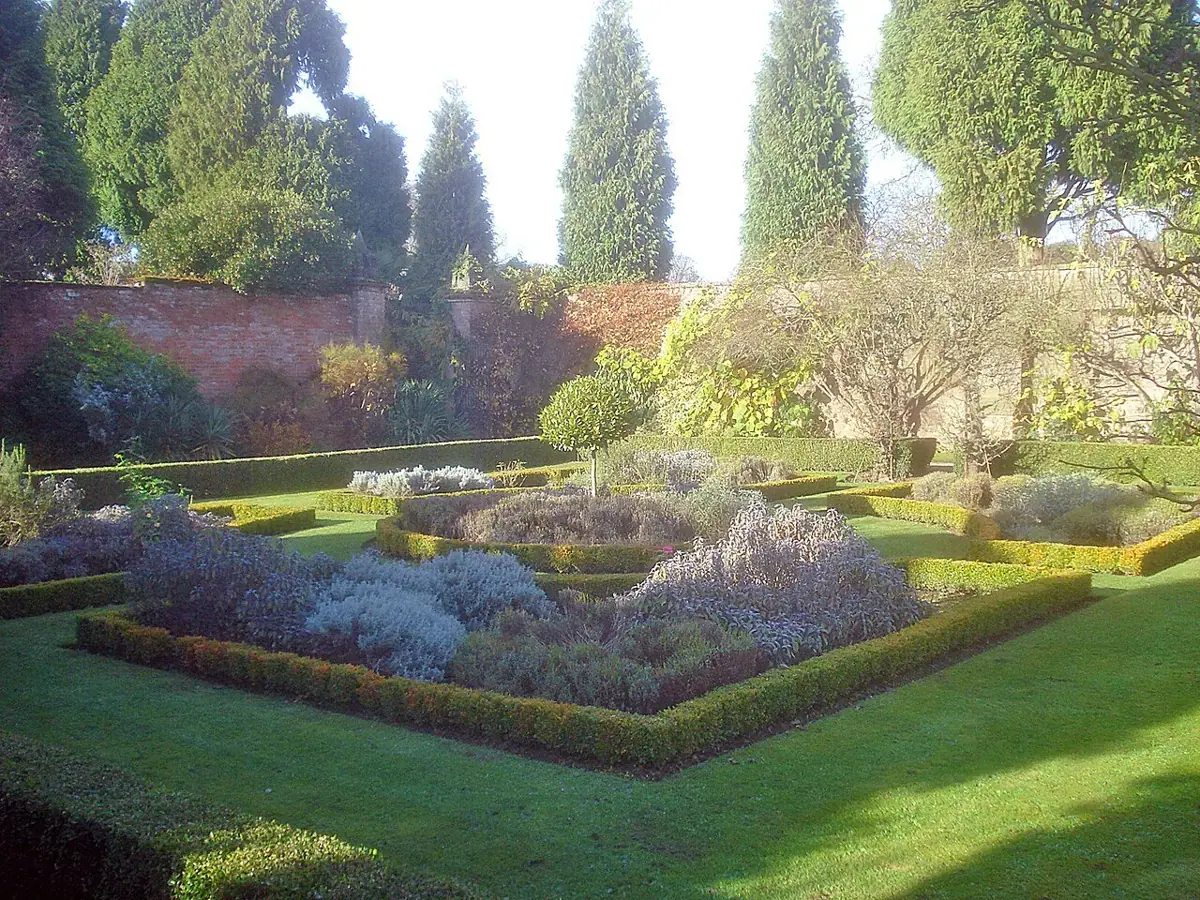
A small garden gains character from clear decisions about use, movement and planting. Begin with one meaningful purpose, then let the remaining space support it.
Open this story ↗Small-space design
A single-colour border can hold plenty of variety. Use differences in tone, flower shape and season, then let green foliage create the pauses between them.
Small-space design
Three planting layers can give a compact border depth without excessive crowding. Think in terms of background, middle and edge, with deliberate gaps between their strongest shapes.
Small-space design
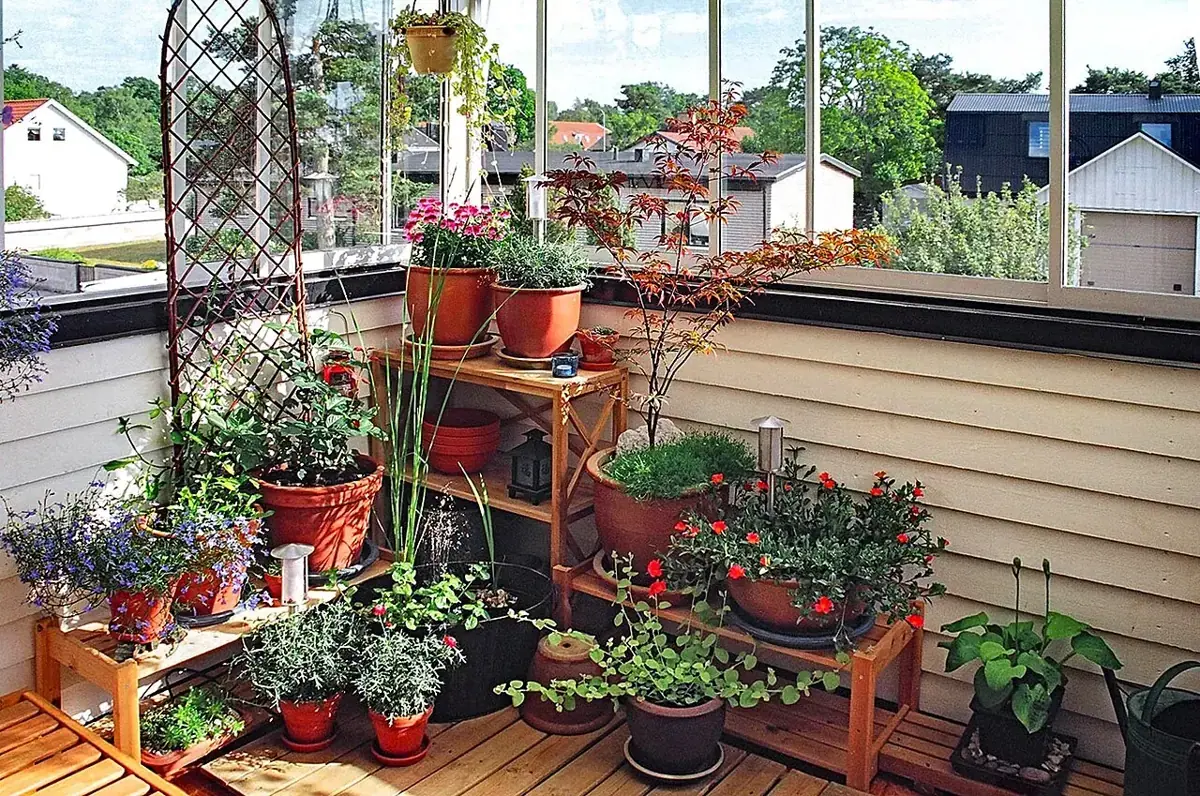
A planted balcony should still work as an outdoor room. Reserve the walking route, account for wet container weight and keep watering access clear from the start.
Small-space design
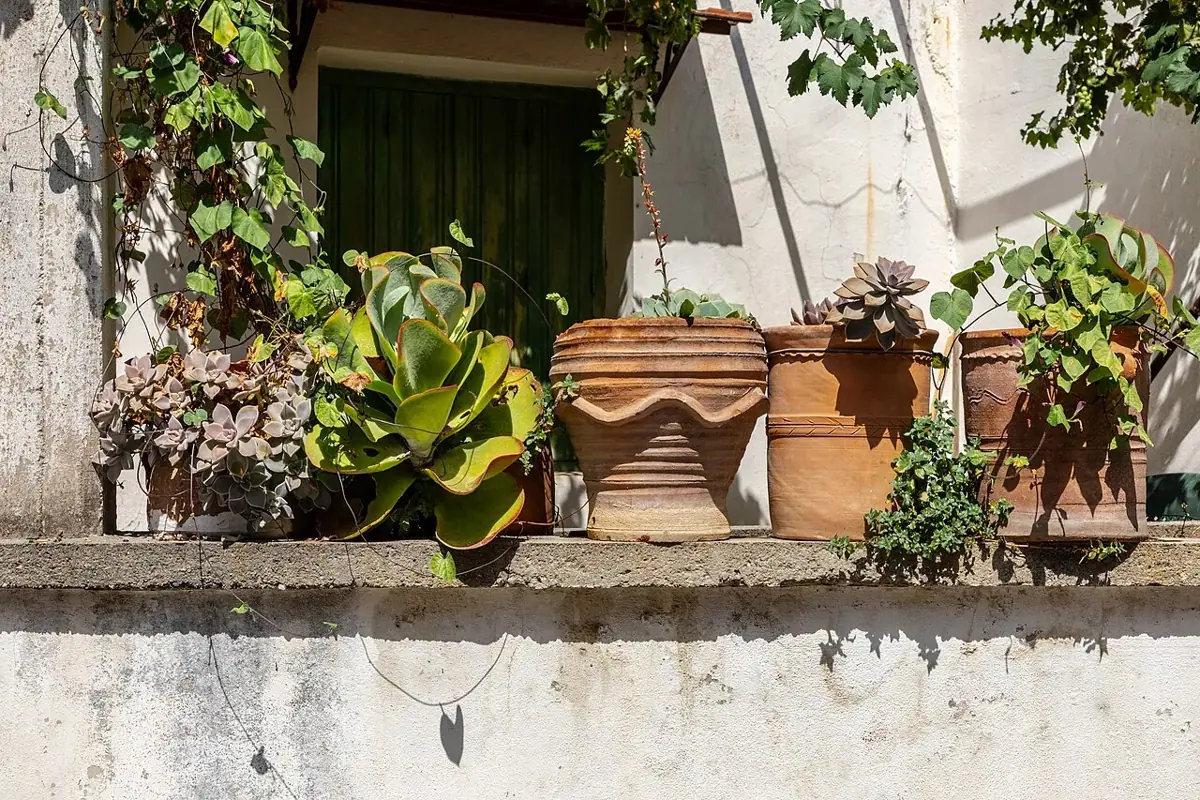
A group of pots is easier to maintain when its plants need similar care. Build visual harmony with containers while allowing light and moisture to determine placement.
Small-space design
An east-facing corner is defined by more than its compass direction. Track morning sun, nearby shadows and moisture to choose plants that suit the actual conditions.
Small-space design
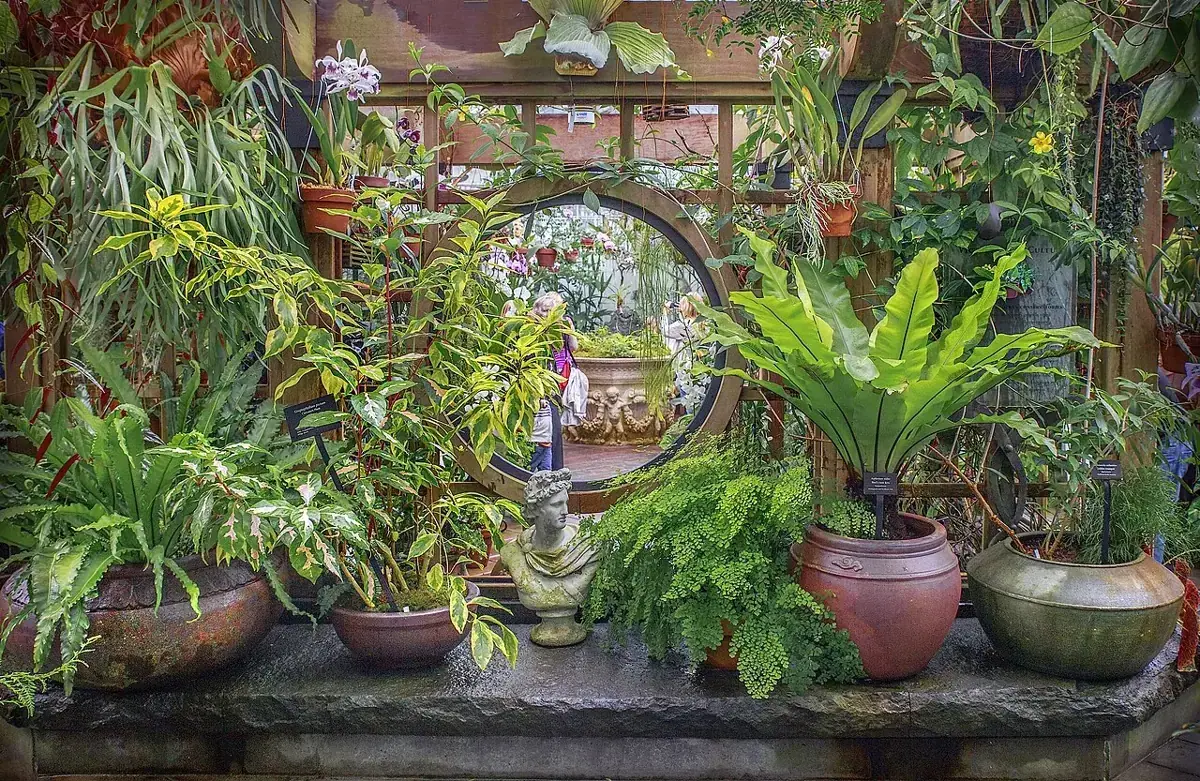
A shaded courtyard can feel rich through leaf shape, scale and texture. Identify dry or damp shade first, then arrange contrasts that remain visible without abundant flowers.
Small-space design
Plants can soften paving and raised edges without making them difficult to use. Choose controlled spread, preserve drainage and decide exactly where a little overhang belongs.
Small-space design
A trellis should suit the mature climber, its attachment method and the structure behind it. Plan the load before planting and keep future maintenance within reach.
Small-space design
Repetition can connect a garden without making every planting identical. Repeat a shape, material or colour already present, then let plants vary with their growing conditions.
Small-space design
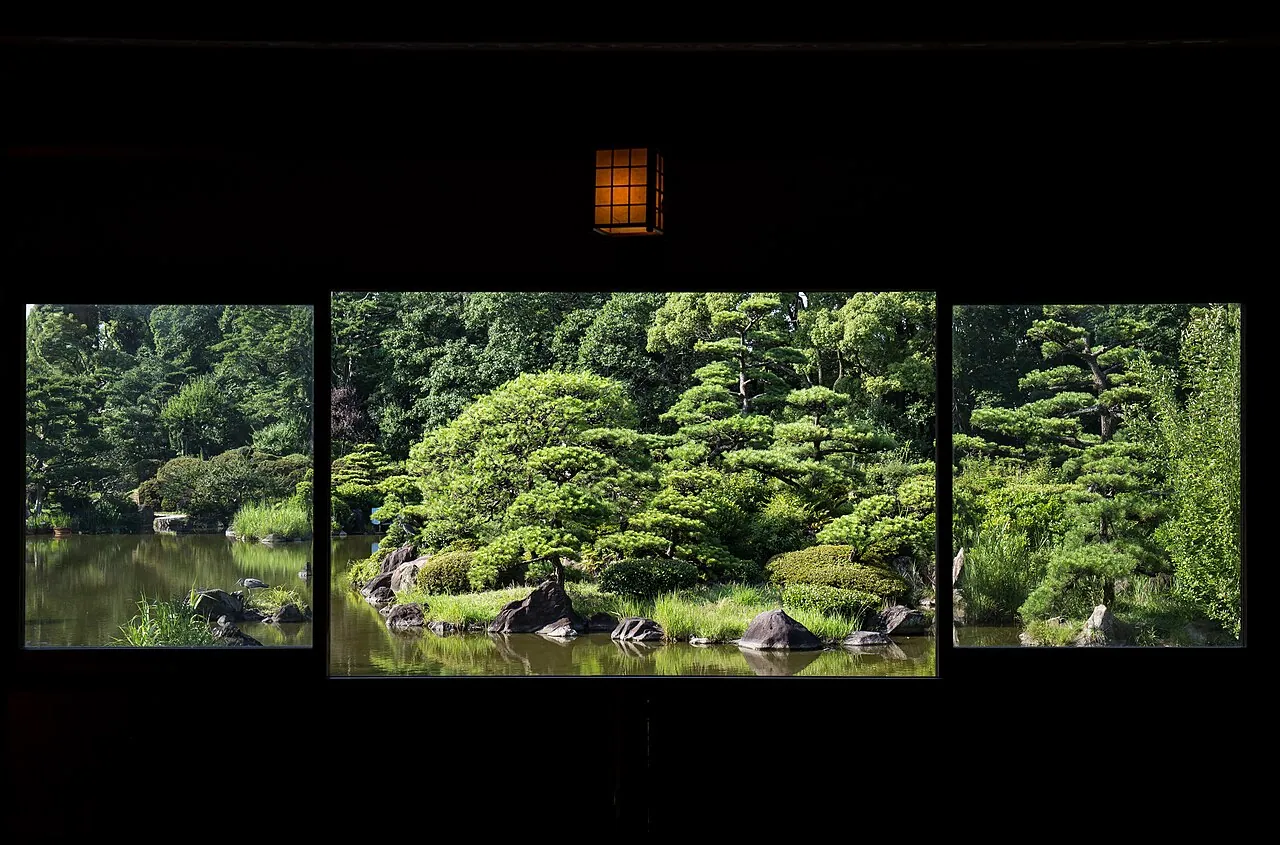
The kitchen window frames a garden you see every day. Design from that real viewpoint, balancing a clear focal point with useful seasonal changes and practical outdoor access.
Small-space design
A narrow border can feel generous when plants have clear shapes and compatible proportions. Use selective height, repeated groups and an honest allowance for mature spread.
Small-space design
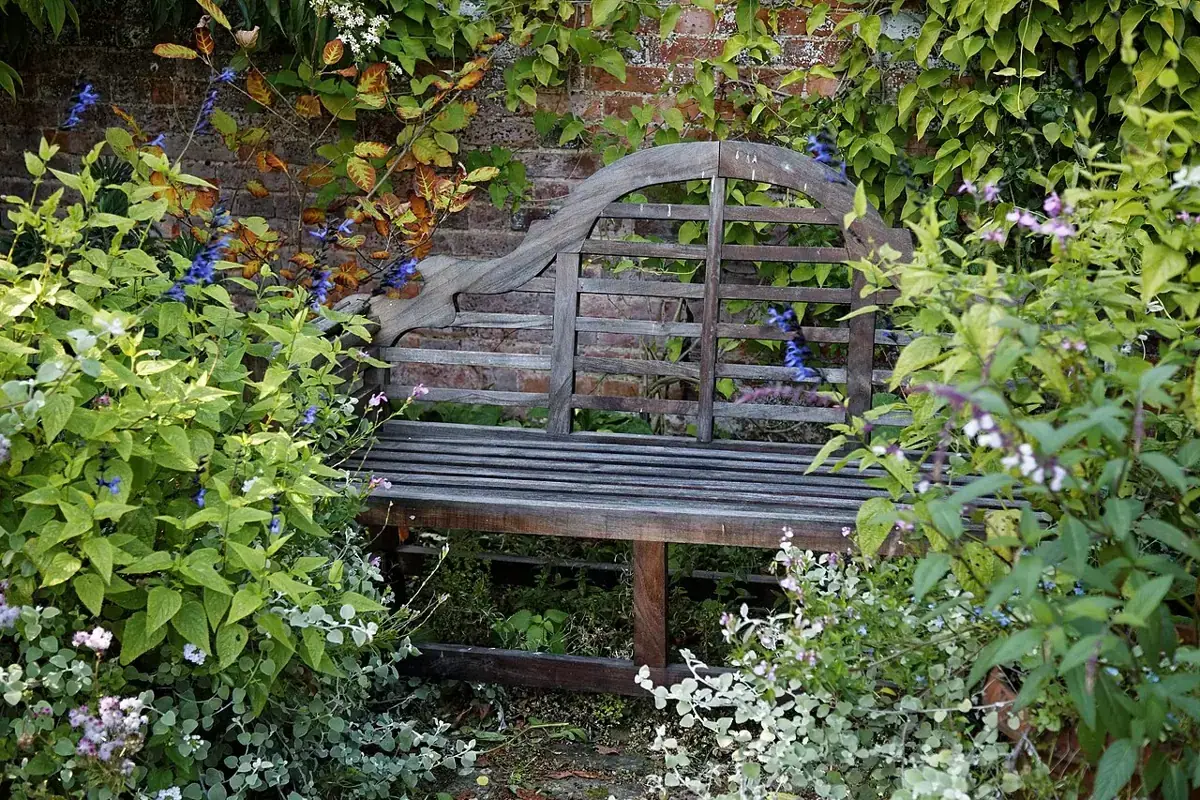
Planting around a garden seat should make sitting more inviting. Test comfort, shade and movement first, then place scent, foliage and flowers where they can be enjoyed closely.
Small-space design
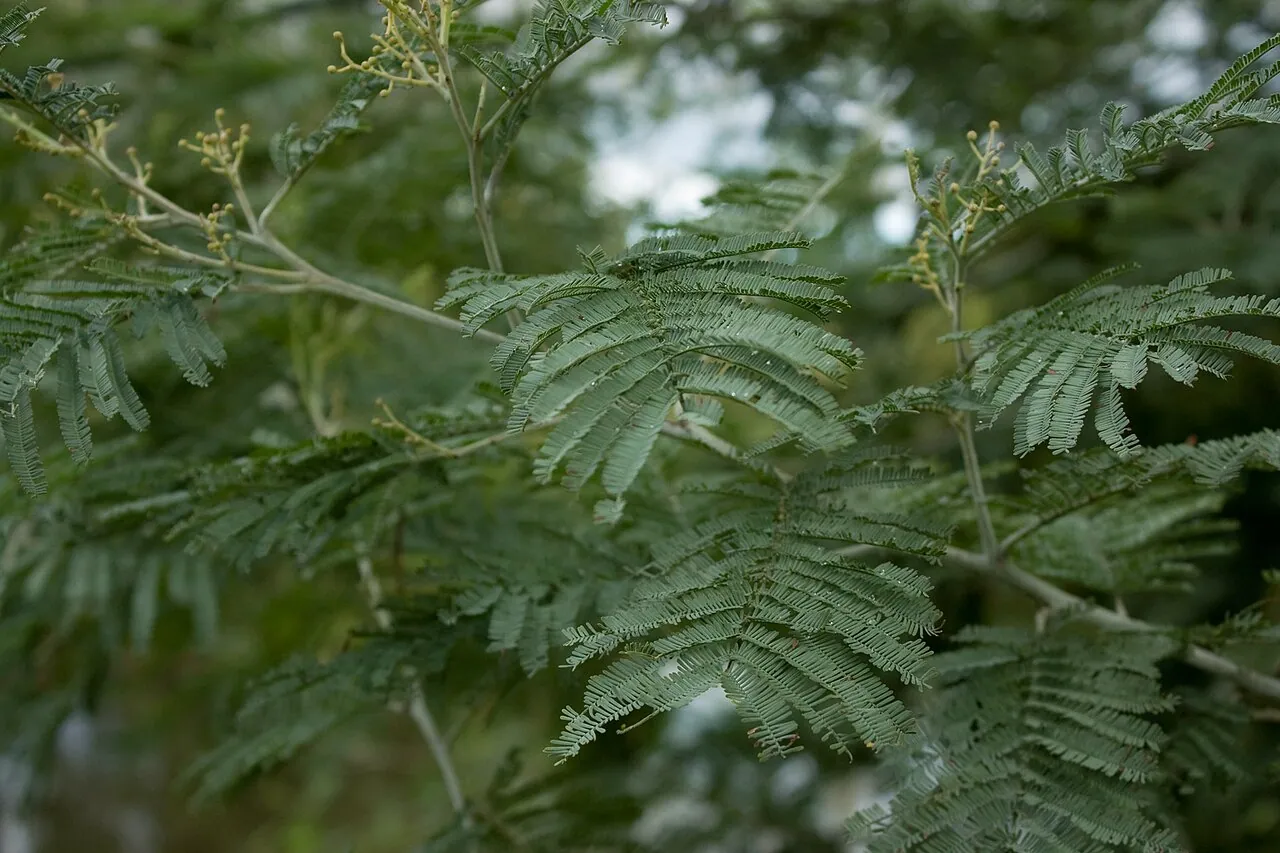
Silver leaves can connect flower colours and brighten a planting. Choose them by their growing needs, then use different leaf shapes and measured repetition to keep the effect subtle.
Small-space design
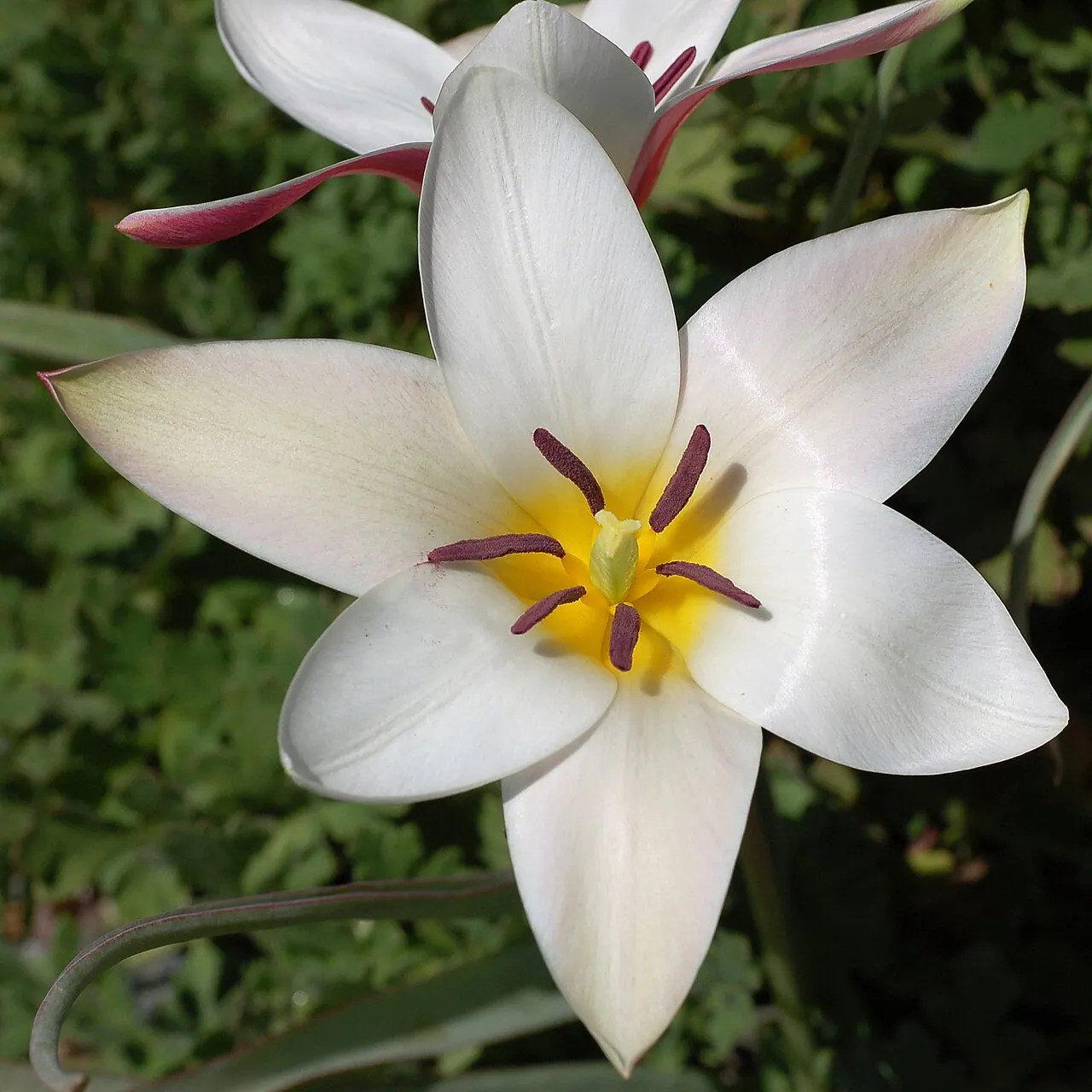
White flowers can remain noticeable as evening light softens. Plan the view from your seat, include green structure and choose plants that contribute at different times of year.
Small-space design
Wind changes moisture loss, plant shape and container stability. Map the exposed places, choose suitable plants and use secure, permeable shelter where it will make a practical difference.
Small-space design
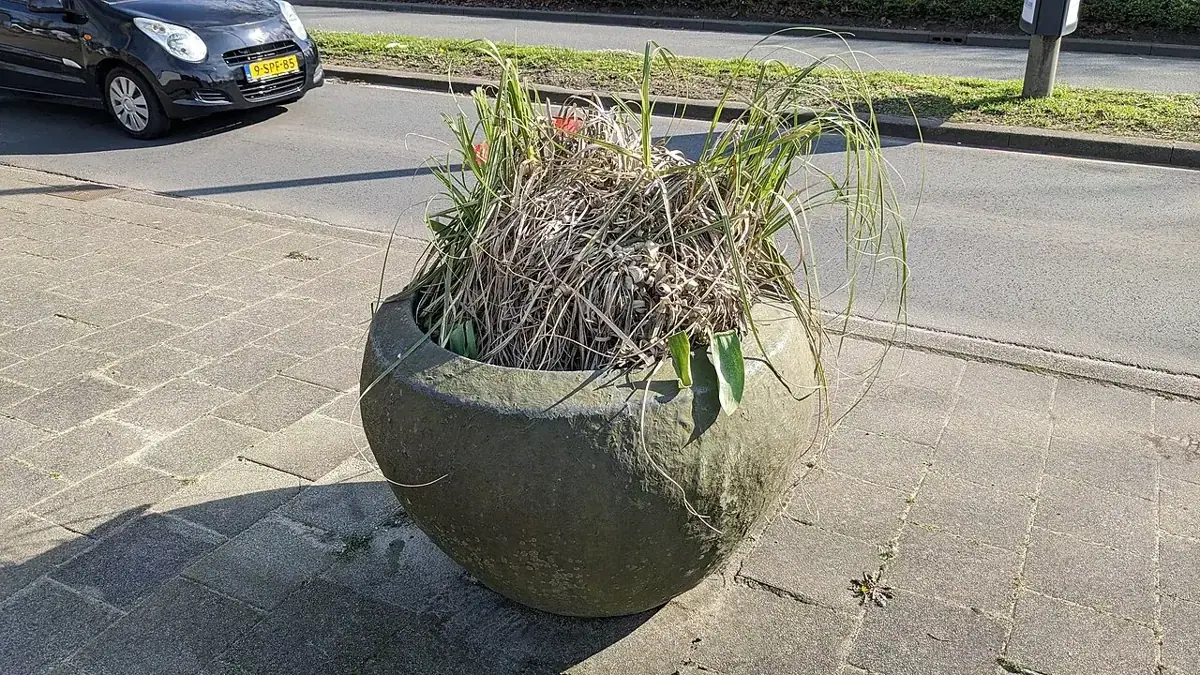
One generous container can simplify a small planting display. Choose its position, root space and wet weight carefully, then resist filling it with more plants than it can support.
Small-space design
A front-door planting should welcome people without obstructing daily movement. Choose durable structure, manageable seasonal colour and a watering routine that works even on busy mornings.
Small-space design
A rented garden can feel personal through movable planting and thoughtful arrangement. Keep changes reversible, plan for eventual transport and preserve the practical features already in place.
Small-space design
A crowded collection can hide the plants you value most. Review each specimen's role, care needs and available space, then edit the arrangement in small, deliberate stages.