Seeds & new plants
Direct sowing when the bed is ready
Direct sowing succeeds when the soil and weather suit the seed, not merely when the packet's month arrives; a prepared, marked patch makes emergence easier to judge.
2 min read
A little dirt.
A little patience.
A seed, a stem, a patient beginning. Follow the small steps that turn one plant into something more.
Pick a page. Stay a while.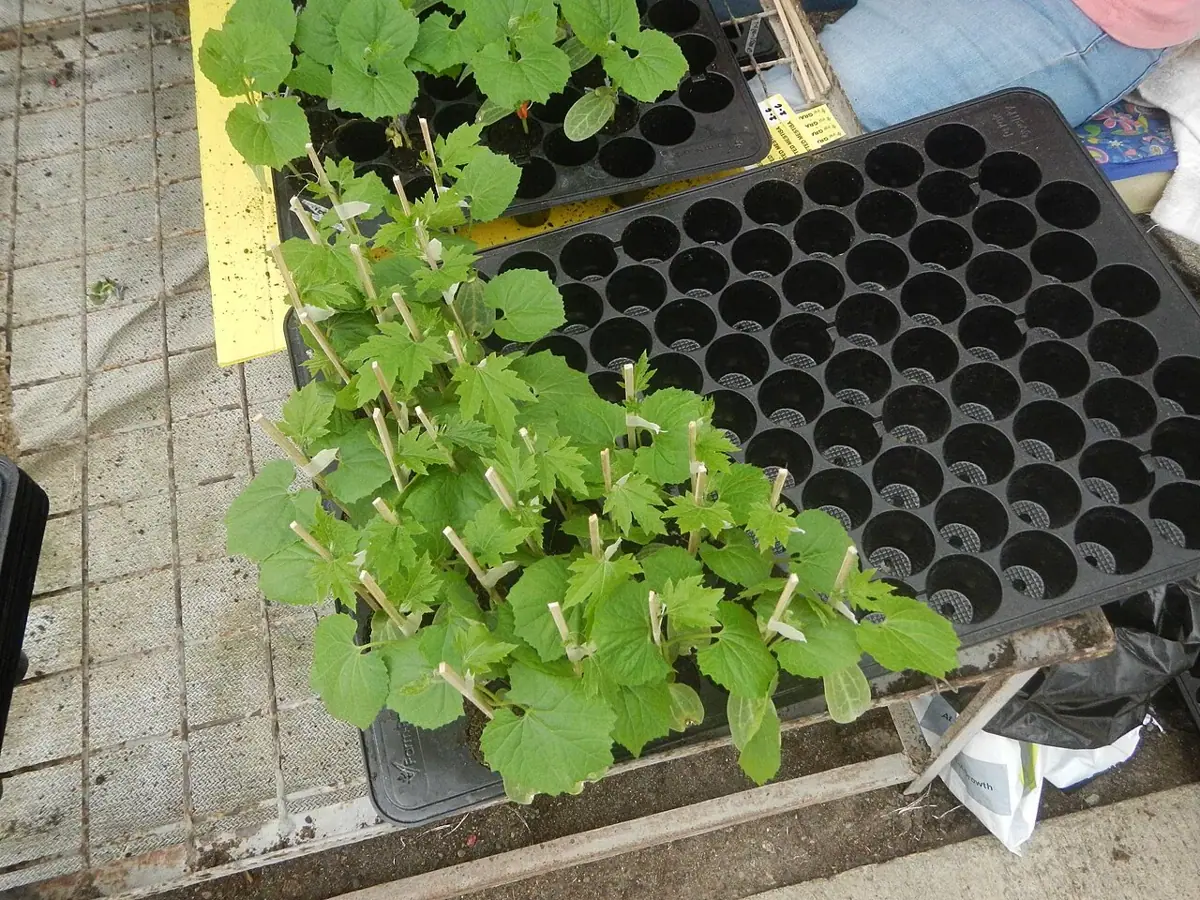
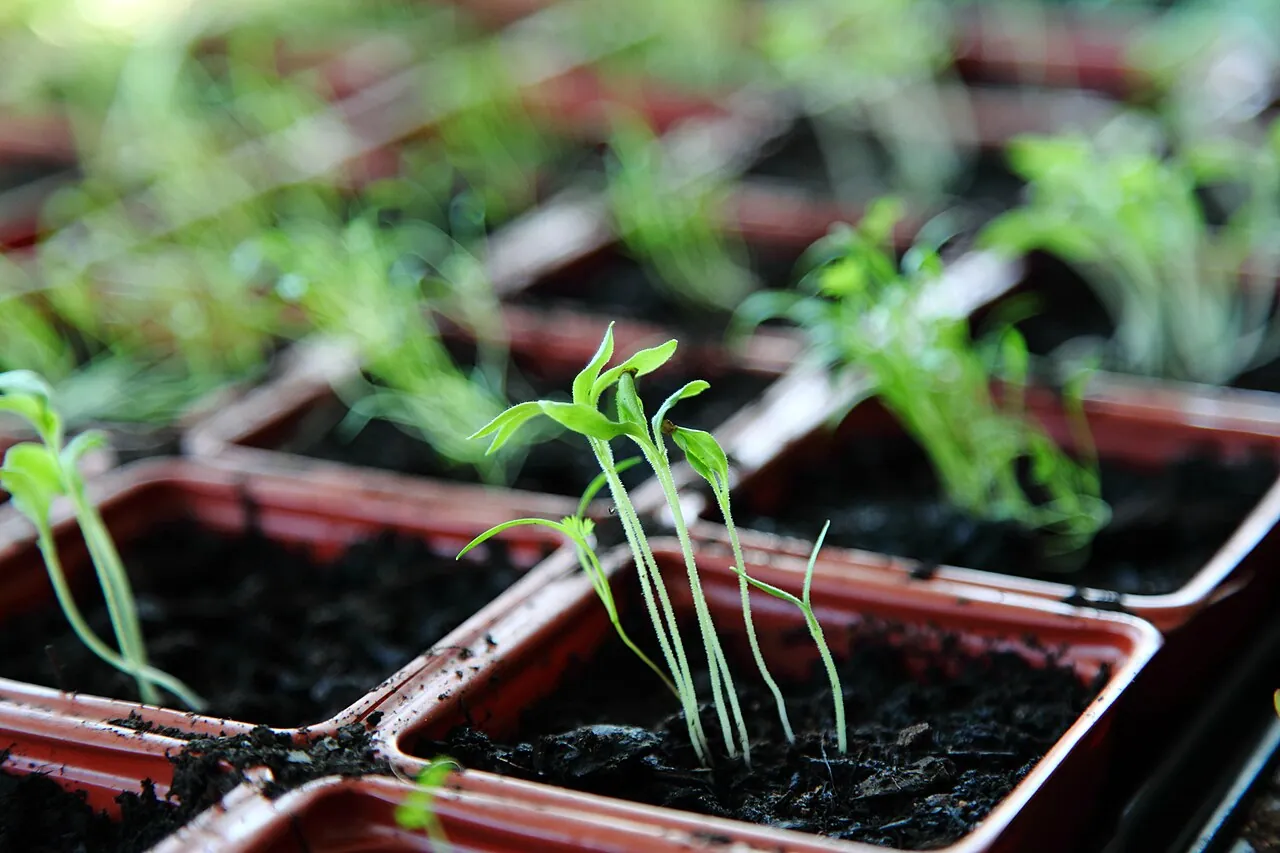
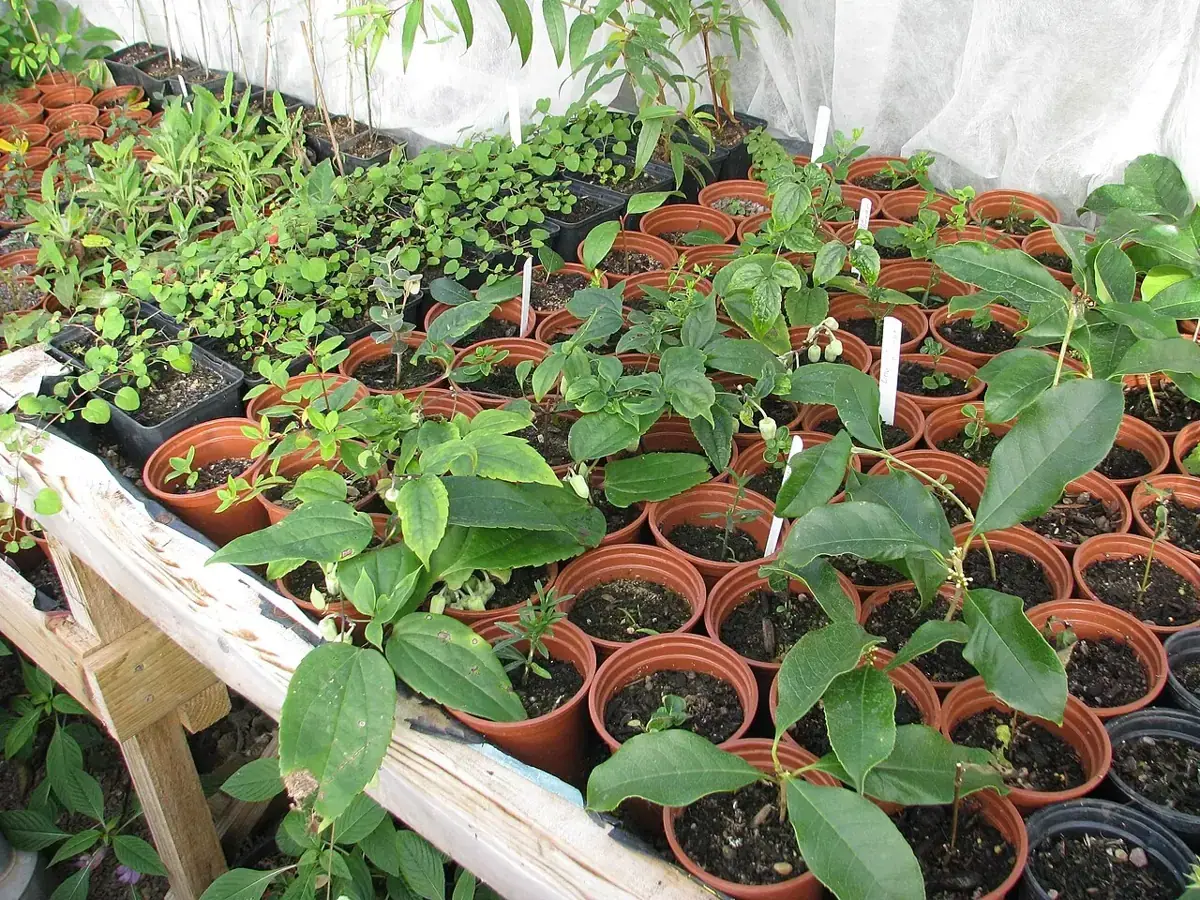
A seed tray becomes easier to care for when its labels, drainage and sowing groups make sense together; organisation should reveal differences rather than hide them beneath one lid.
Open this story ↗Seeds & new plants
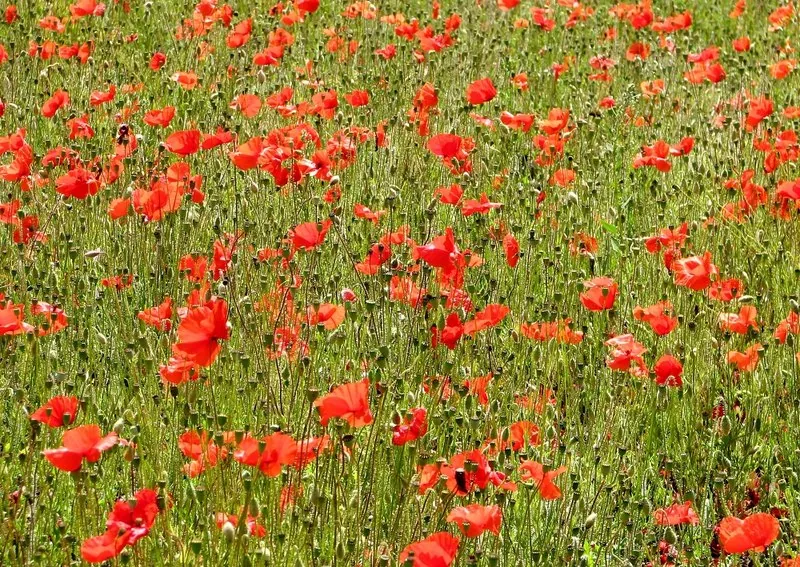
Direct sowing succeeds when the soil and weather suit the seed, not merely when the packet's month arrives; a prepared, marked patch makes emergence easier to judge.
Seeds & new plants
A seed packet is a compact growing plan, but its dates and spacing need interpretation; separating germination, transplanting and mature size prevents several common mistakes before sowing.
Seeds & new plants
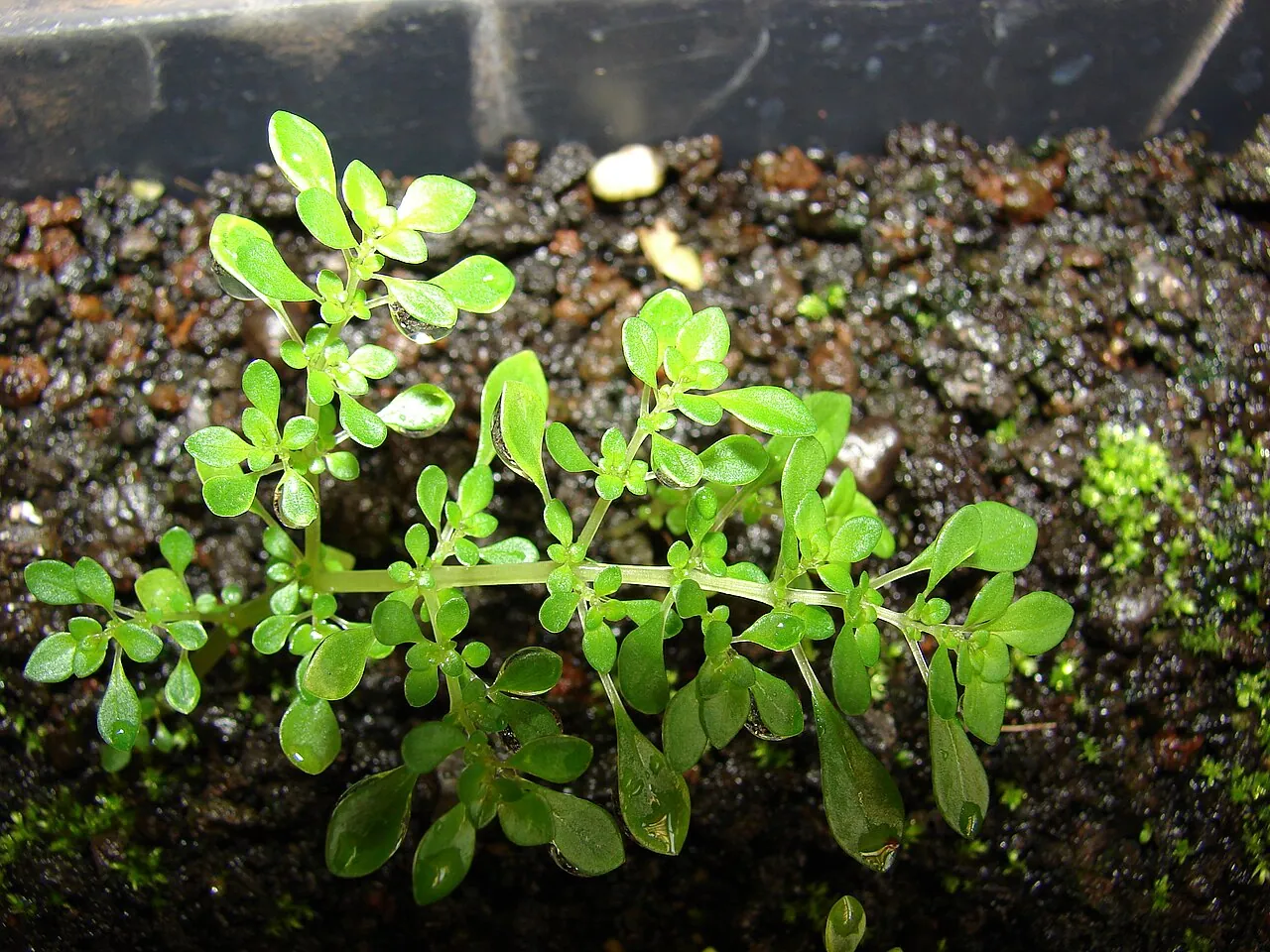
Fine seed is easiest to sow when the surface is prepared first and the amount is deliberately limited; visible spacing now saves delicate thinning work later.
Seeds & new plants
Pricking out is a careful transfer of a young root system, not a test of how firmly you can grip a seedling; preparation keeps fragile plants out of the air for less time.
Seeds & new plants
Hardening off introduces seedlings to outdoor light, wind and temperature in manageable steps; an unsettled forecast means adjusting the exposure rather than following an inflexible daily timetable.
Seeds & new plants
Long, pale seedlings usually need a review of light, temperature and crowding before any rescue treatment; the next section of growth reveals whether the conditions have improved.
Seeds & new plants
Damping off can collapse seedlings before or after emergence; the most useful response combines removal of affected material with a cleaner, less crowded next sowing.
Seeds & new plants
A small germination test can guide a seed-order decision, but its result is an estimate from a sample, not a promise that every viable seed will establish outdoors.
Seeds & new plants
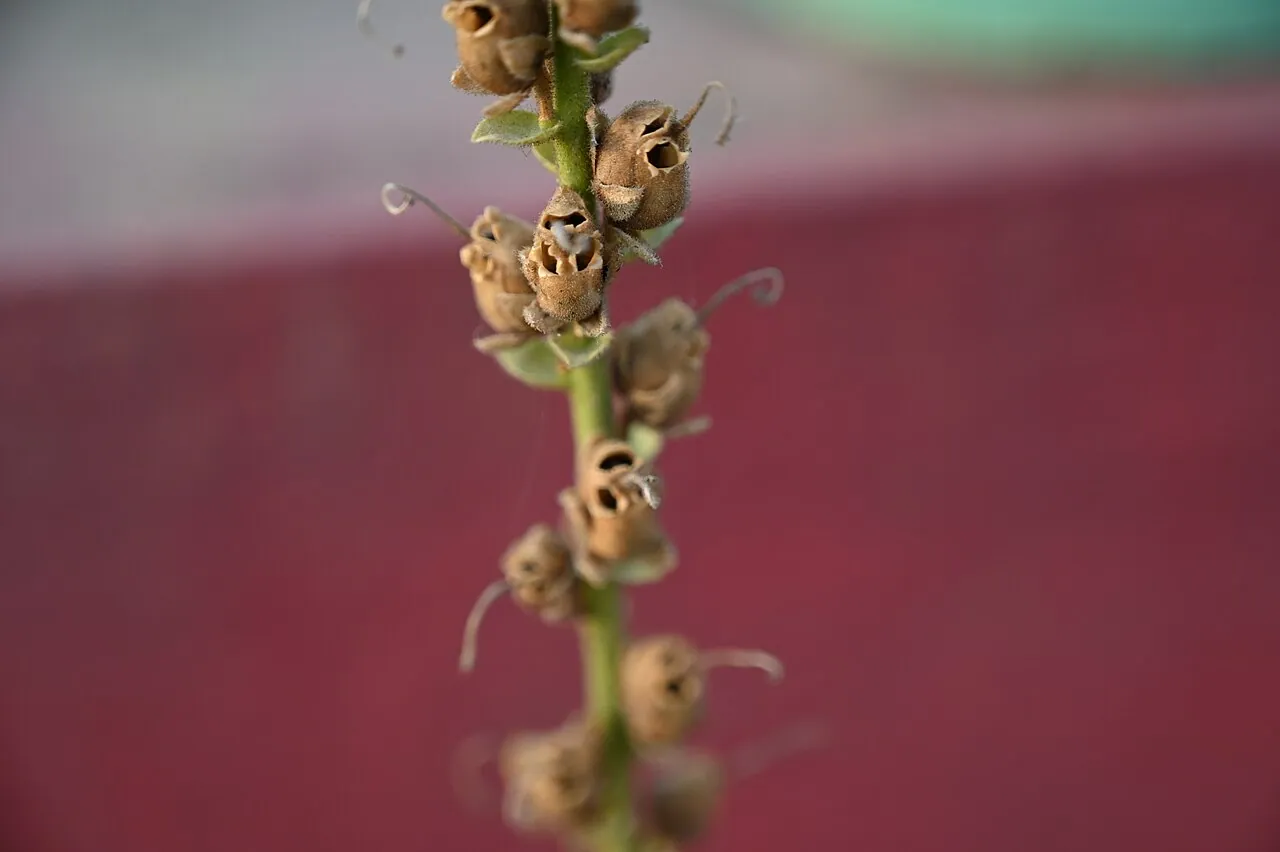
Dry seed collection is a brief window between ripeness and dispersal; a labelled paper bag and repeated small visits often work better than one sweeping harvest.
Seeds & new plants
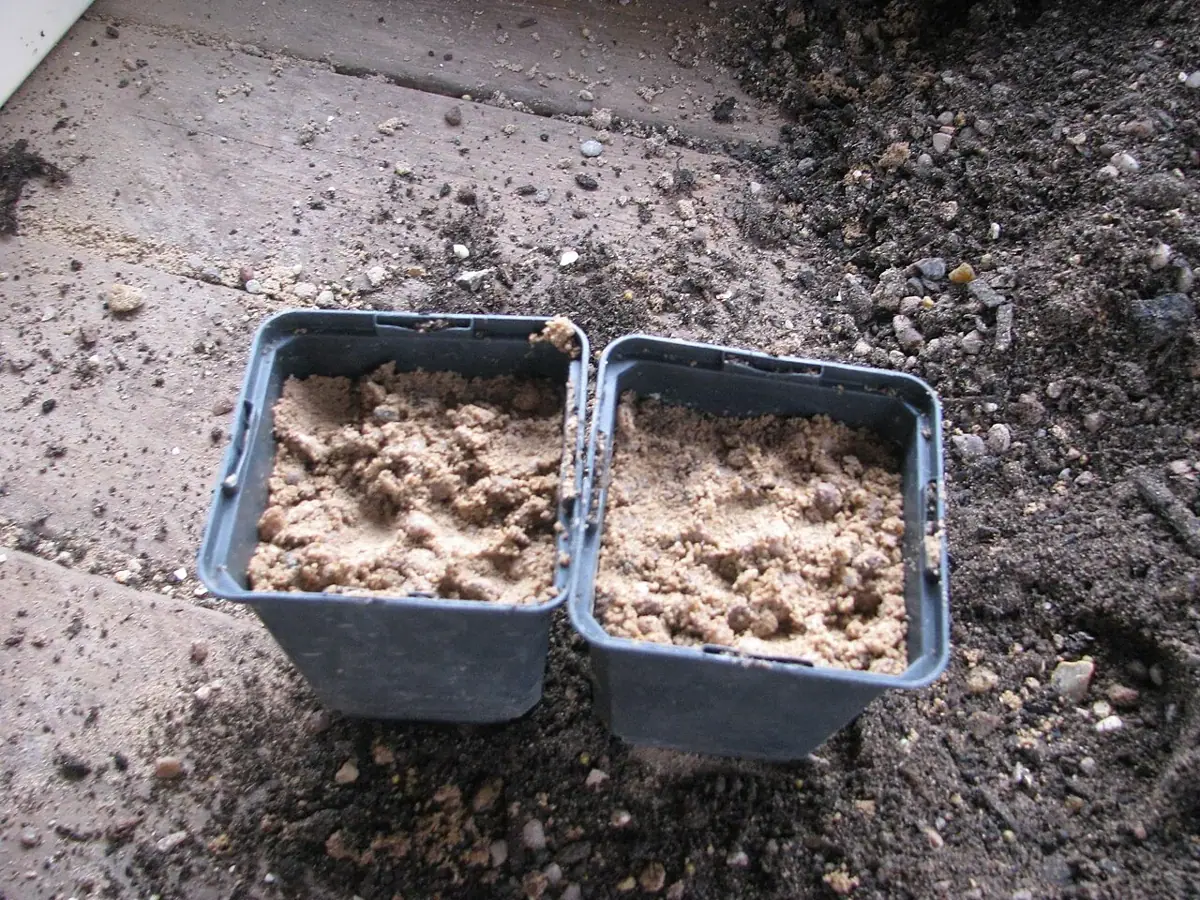
A damp shed is an uncertain seed store; dry seed needs a stable, labelled system that excludes moisture while preserving the information needed for next season's sowing.
Seeds & new plants
Softwood cuttings lose water quickly before they have roots; success begins with suitable young growth and a prepared propagation space, not with a large pile of cut stems.
Seeds & new plants
Semi-ripe cuttings combine a firmer stem base with a still-flexible tip; recognising that texture helps you select material more accurately than relying on a late-summer date alone.
Seeds & new plants
Hardwood cuttings use dormant mature shoots and a patient timetable; correct orientation, firm contact and clear labels matter more than visible growth in the first few weeks.
Seeds & new plants
Dividing a perennial is an opportunity to keep vigorous young sections and reassess the planting space; preserving an exhausted centre is not always the right goal.
Seeds & new plants
Layering lets a low branch form roots while it remains connected to the parent, making it a useful patient method when a flexible stem can reach suitable soil.
Seeds & new plants
Root cuttings are a specialised option for plants that can regenerate from root sections; correct identification and orientation prevent a promising winter task from becoming random root damage.
Seeds & new plants
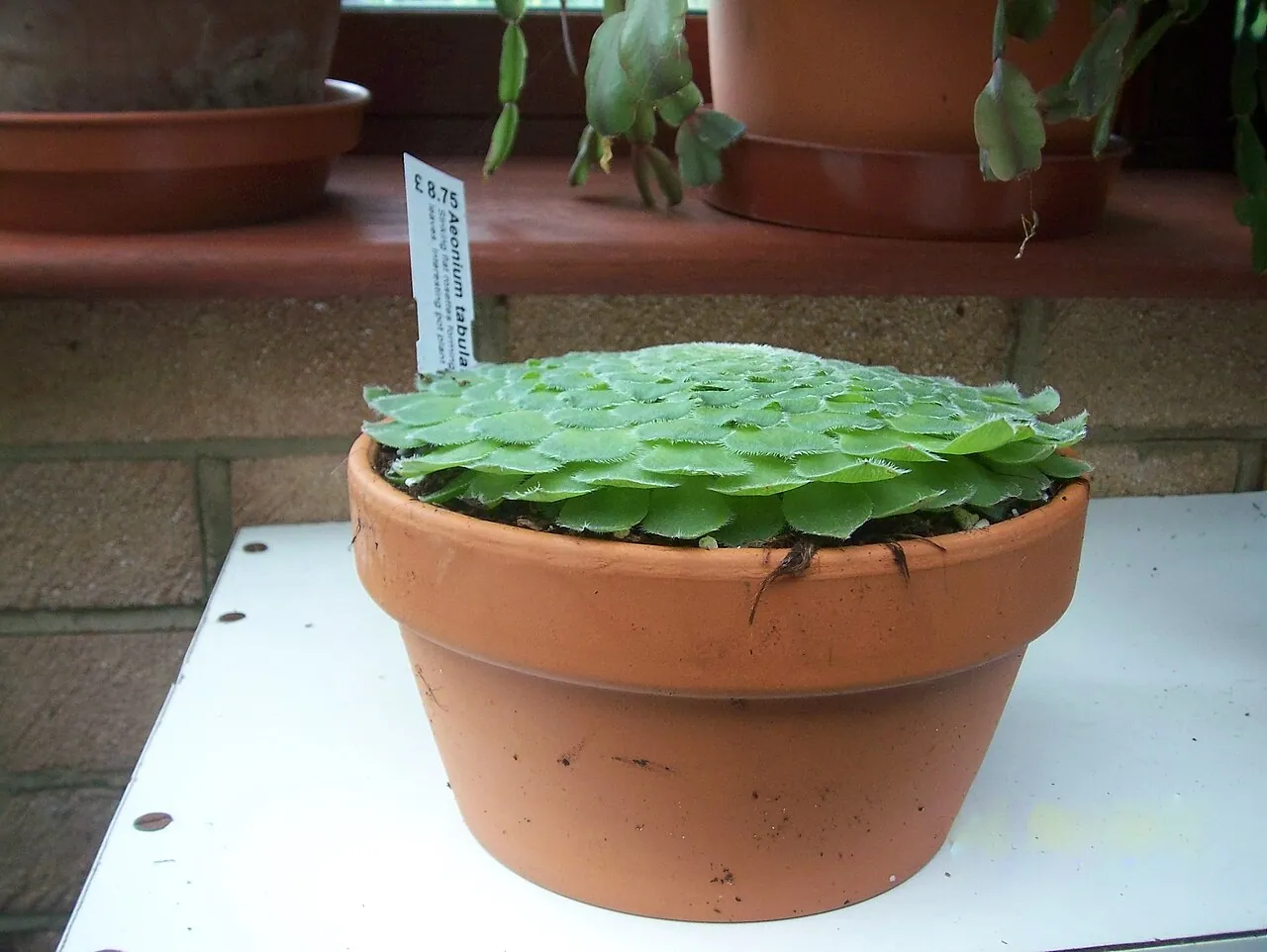
Succulent offsets are already small plants, but separating them too early can remove the roots and reserves that make propagation straightforward; inspect the connection before pulling.
Seeds & new plants
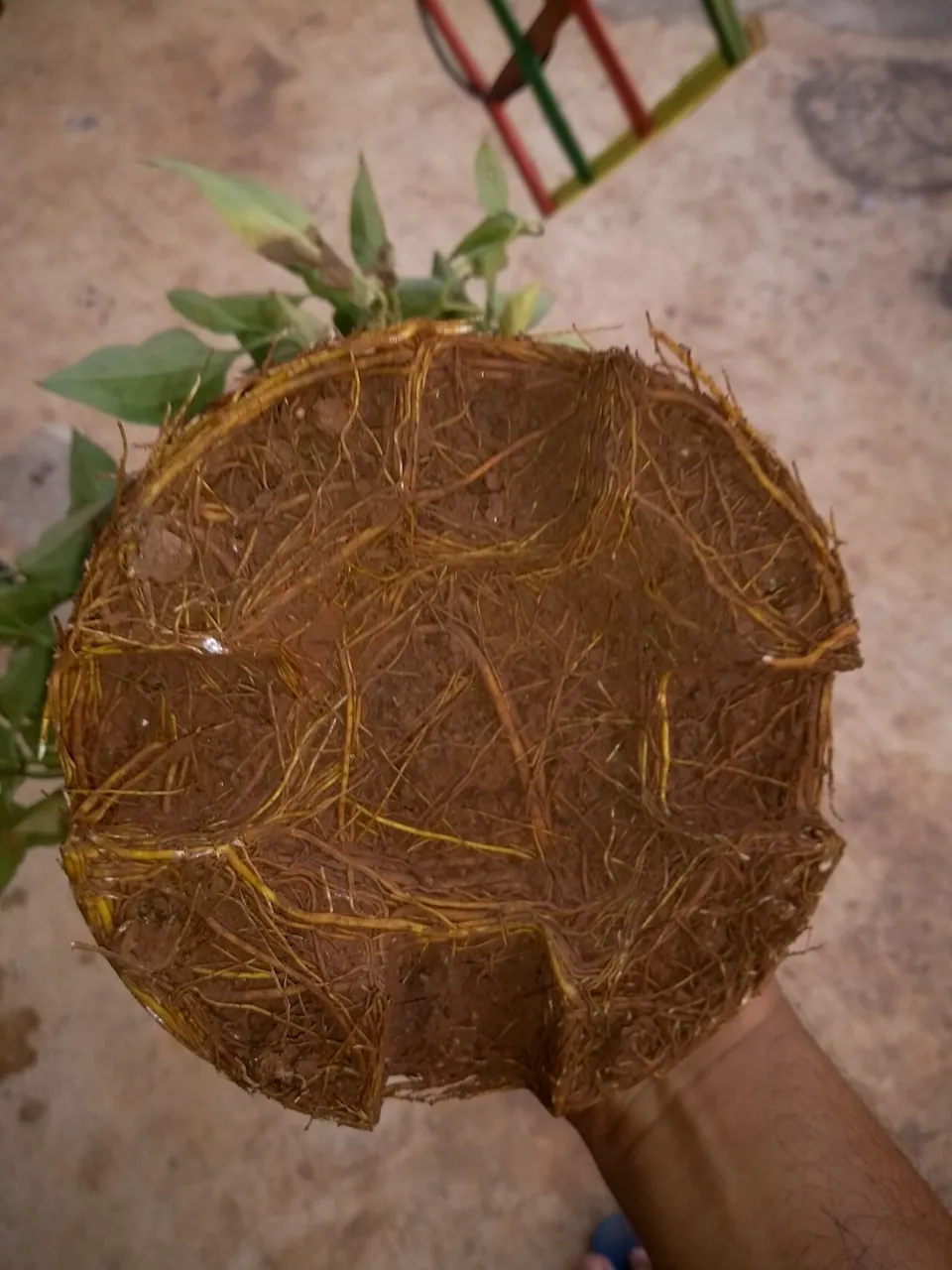
Moving a water-rooted cutting into potting mix is a change of root environment; a small container and careful moisture observation make the transition easier to manage.
Seeds & new plants
Saved seed carries a family history, not a photocopy of the parent; understanding hybrid status and pollination helps you decide when variation is welcome and when cuttings are preferable.