The potting table
Photographing one plant through a season
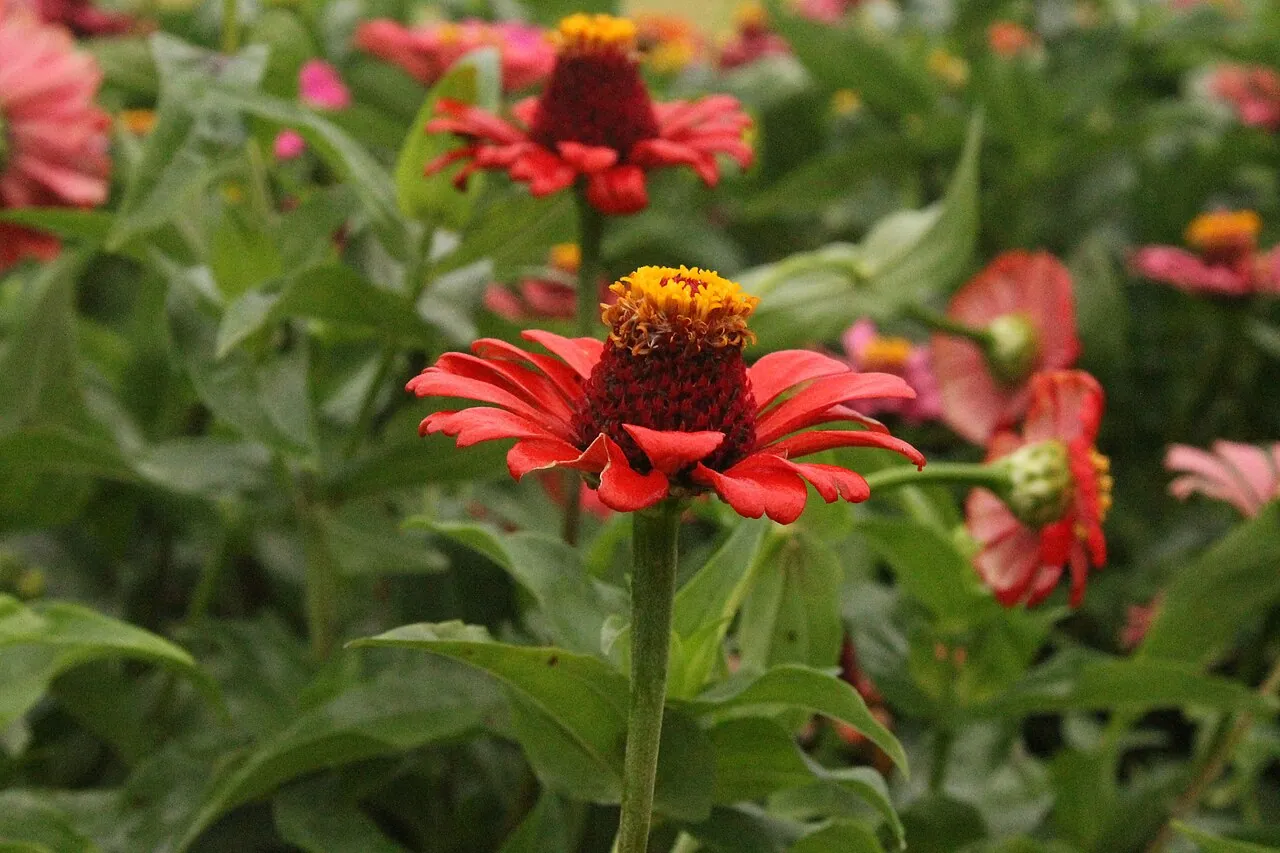
A consistent photograph can reveal growth, flowering and gaps that disappear from memory between garden visits.
2 min read
A little dirt.
A little patience.
Keep a useful note, arrange a few stems, share a plant. The small rituals that make growing your own.
Pick a page. Stay a while.
A useful growing journal begins with a handful of observations that answer your next gardening question.
Open this story ↗The potting table
A consistent photograph can reveal growth, flowering and gaps that disappear from memory between garden visits.
The potting table
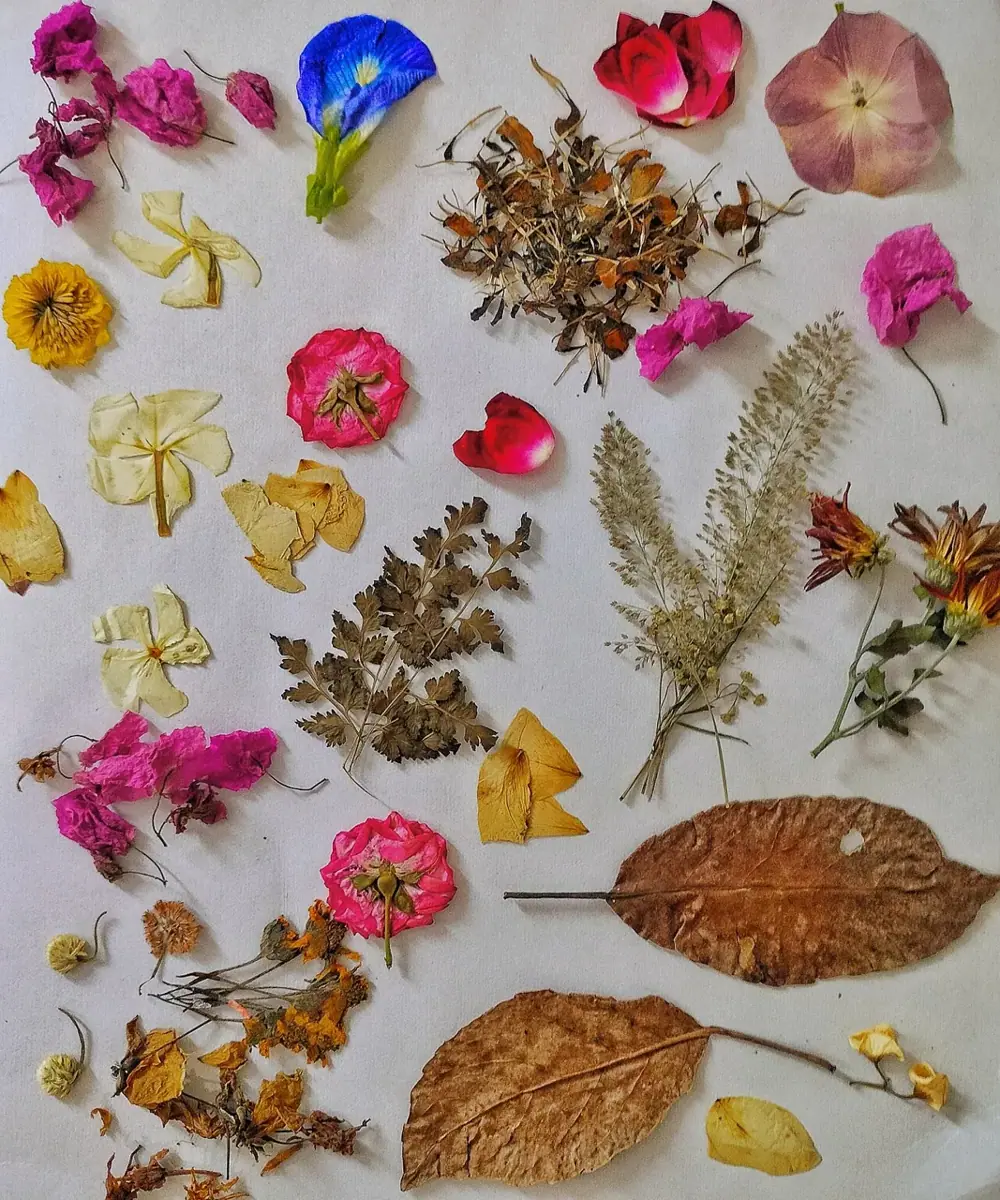
Dry surfaces, thin layers and a little attention at the beginning make pressed flowers easier to keep.
The potting table
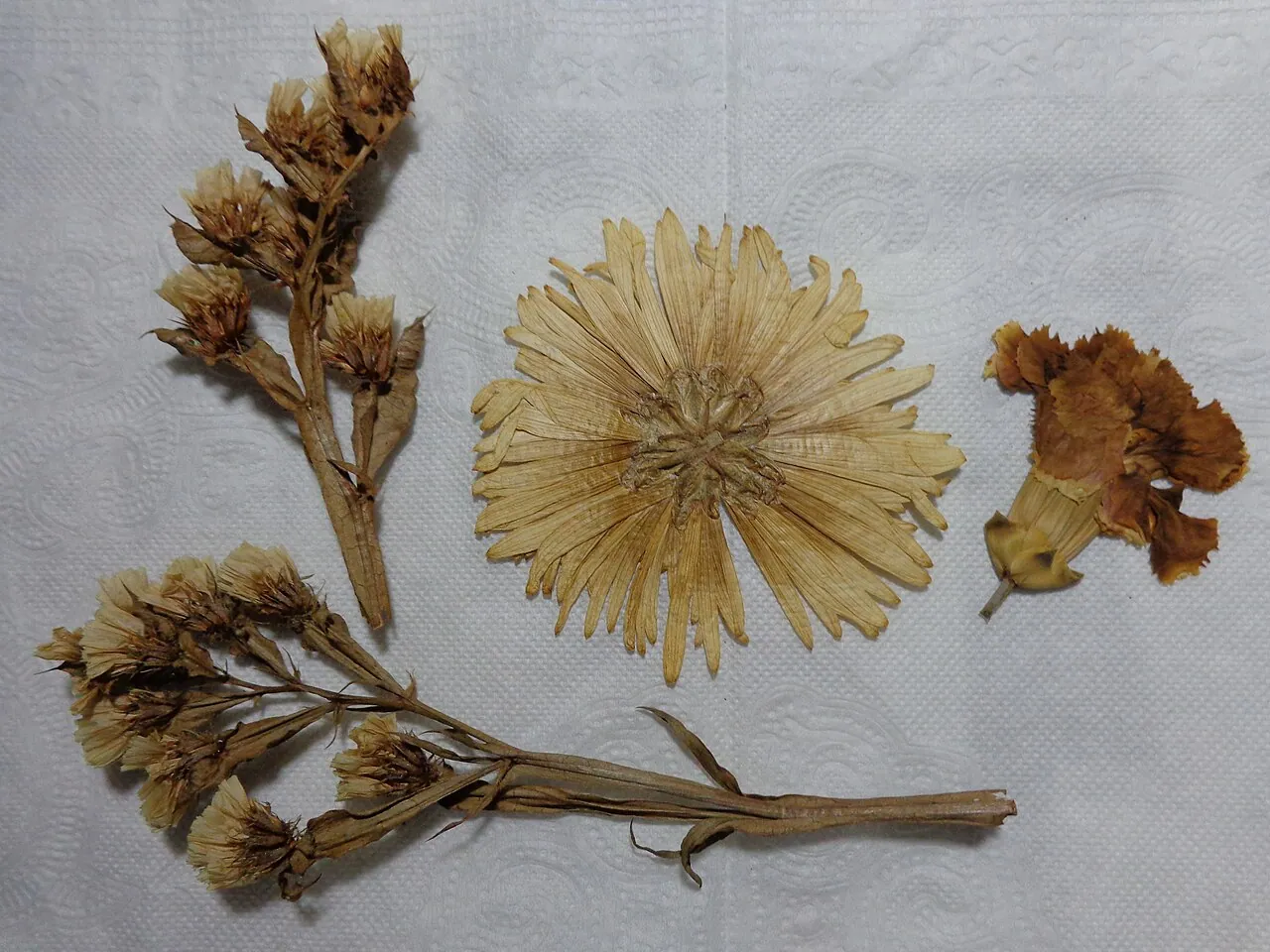
Small, airy bundles preserve texture well and are easier to dry evenly than one crowded harvest.
The potting table
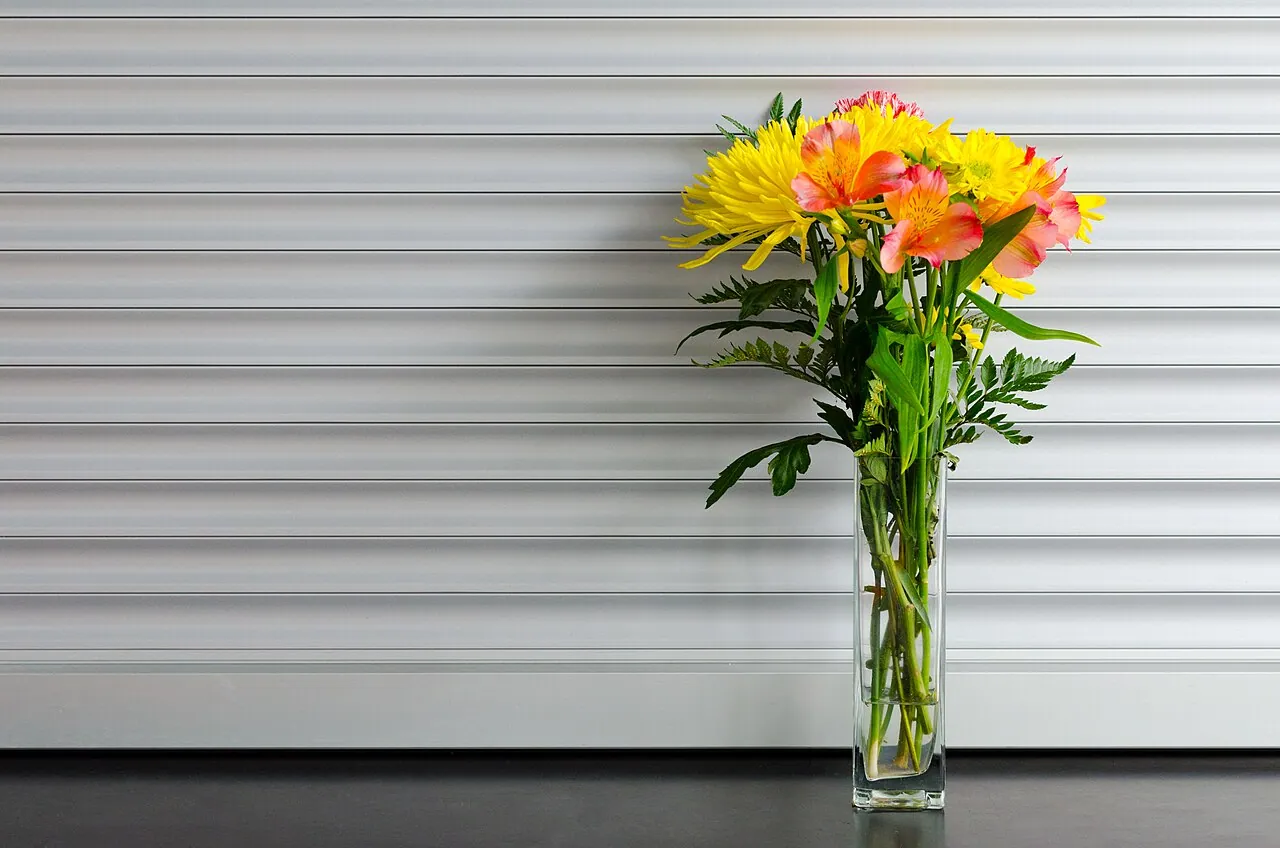
The journey from border to bucket matters as much as the final position of your vase.
The potting table
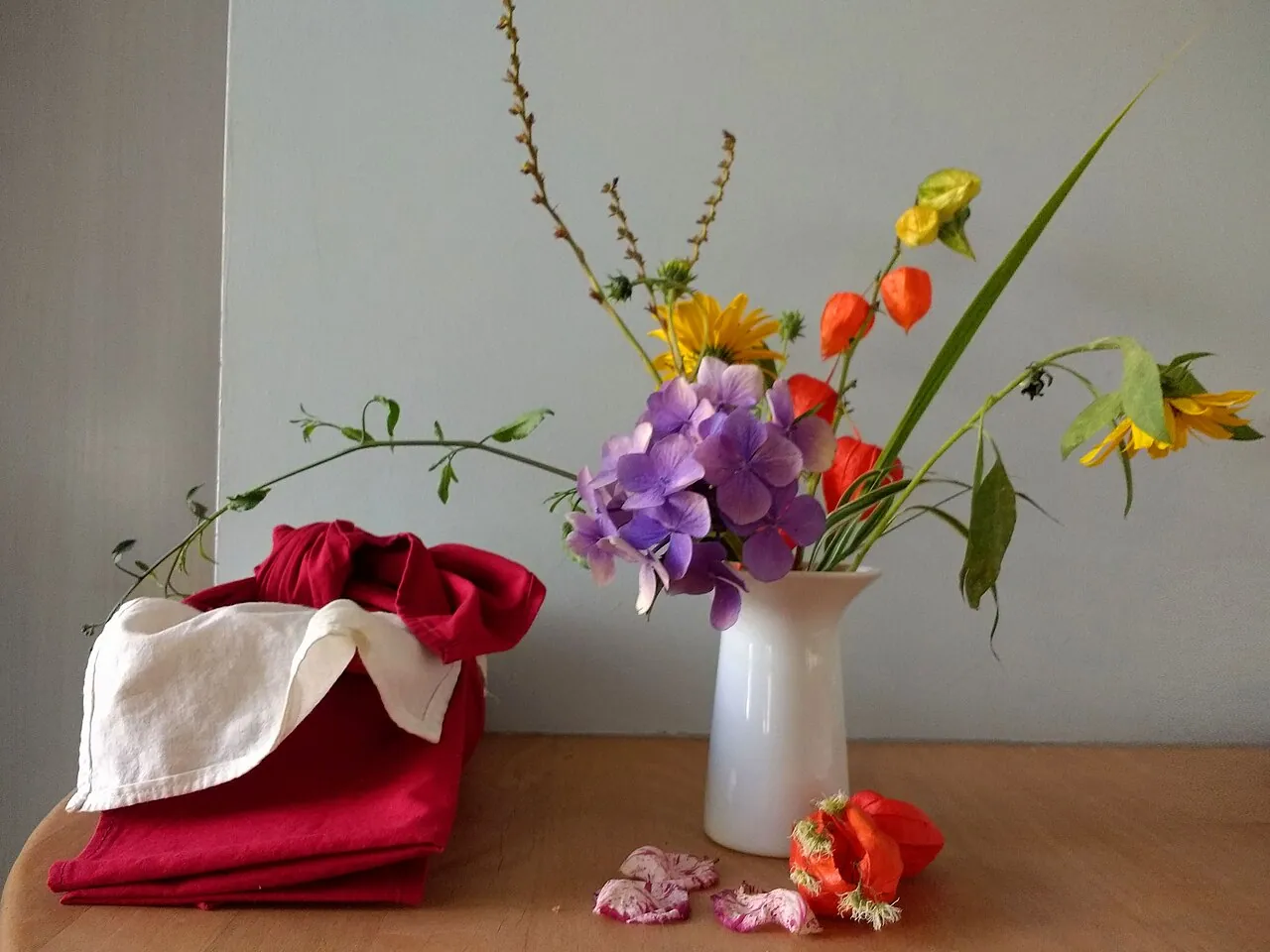
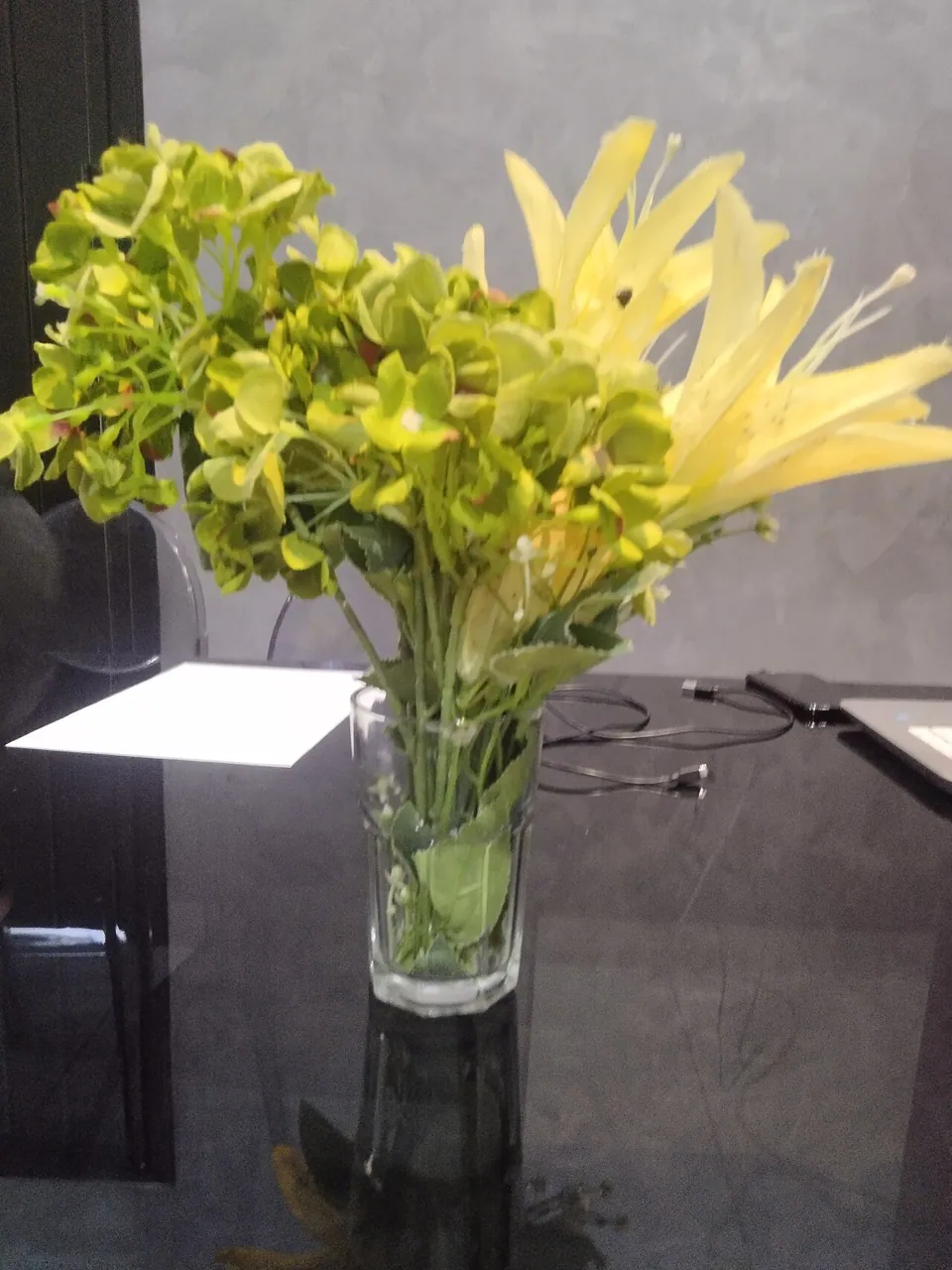
A small jug gives a handful of garden stems enough structure to look considered without becoming formal.
The potting table
Removing the old residue gives the next bouquet a clean place to start, especially in narrow-necked containers.
The potting table
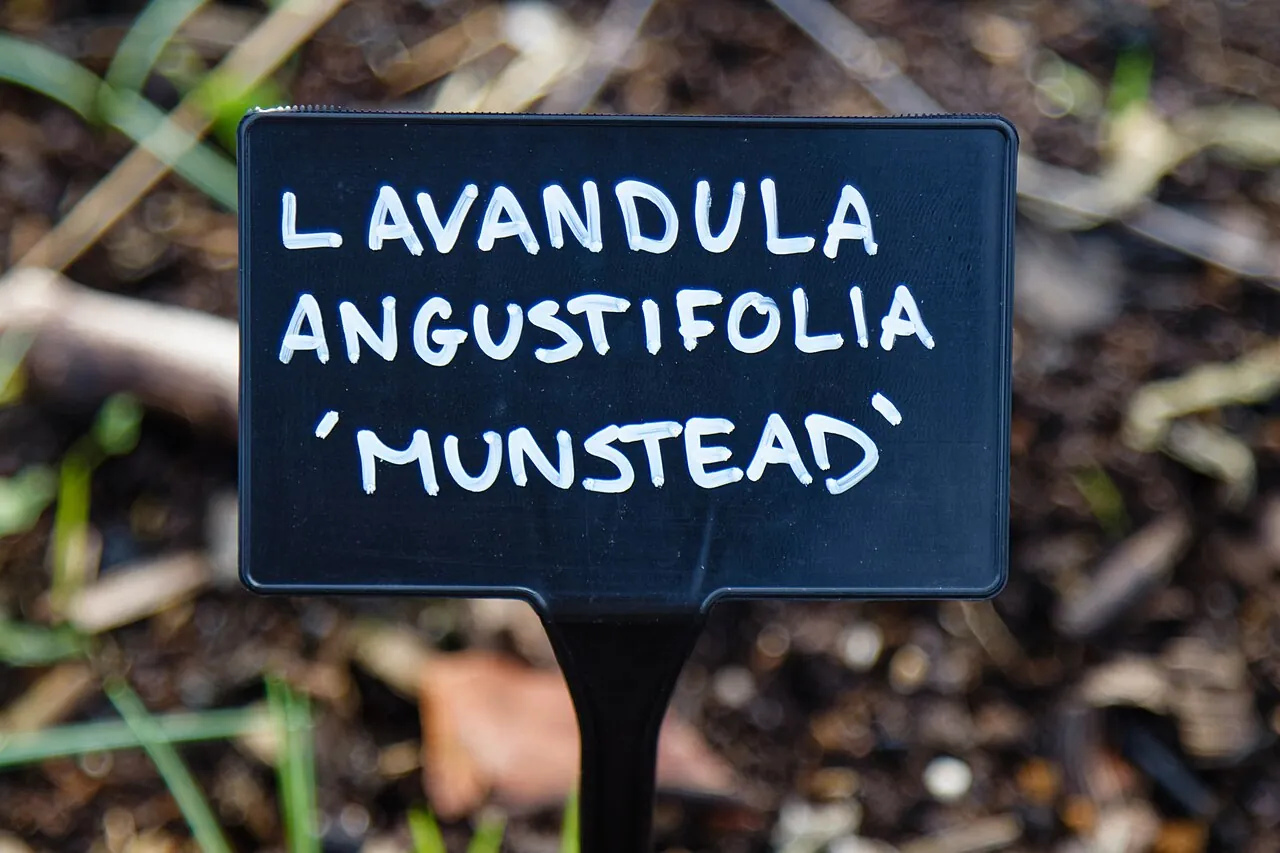
A clear label needs a durable writing surface, a useful name and a second record somewhere sheltered.
The potting table
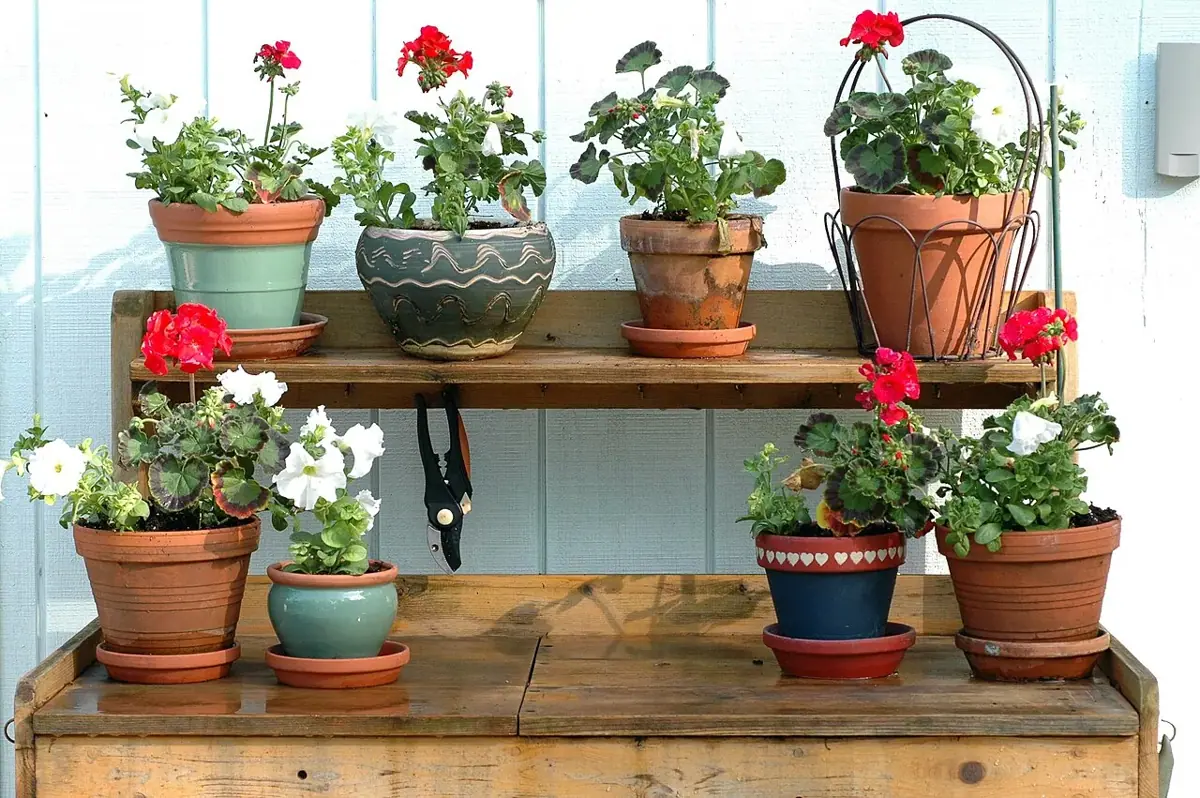
A useful bench leaves enough clear space to handle a pot and makes the frequently used tools easy to return.
The potting table
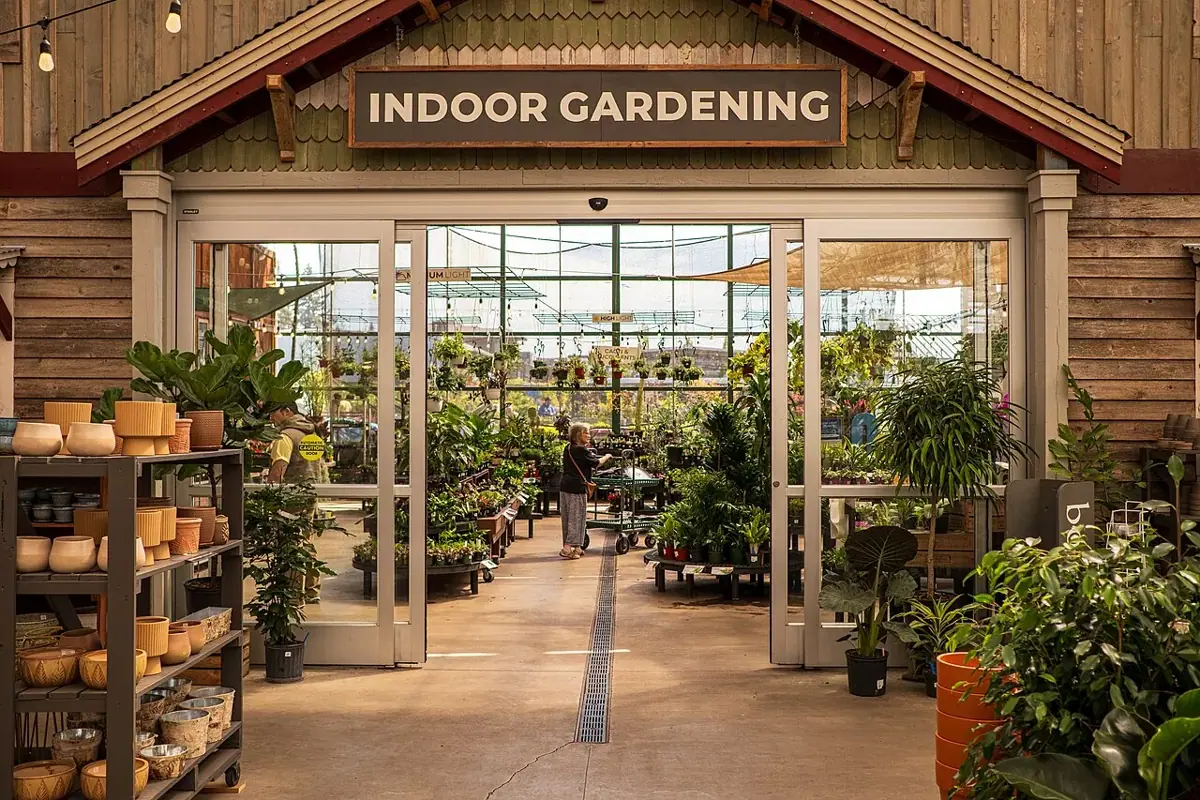
Flowers attract attention in a nursery, but roots, foliage and the conditions at home decide what happens next.
The potting table
A separate settling place gives you time to notice problems before a new plant joins the main collection.
The potting table
A successful plant swap passes on a healthy specimen and enough honest information to give it a fair start.
The potting table
The best plant gift fits the recipient’s space, while a short care card makes the first few decisions easier.
The potting table
An inventory helps you see what is already growing, where it belongs and which names still need checking.
The potting table
Count the space for young plants as carefully as the space for the flowers you hope to grow.
The potting table
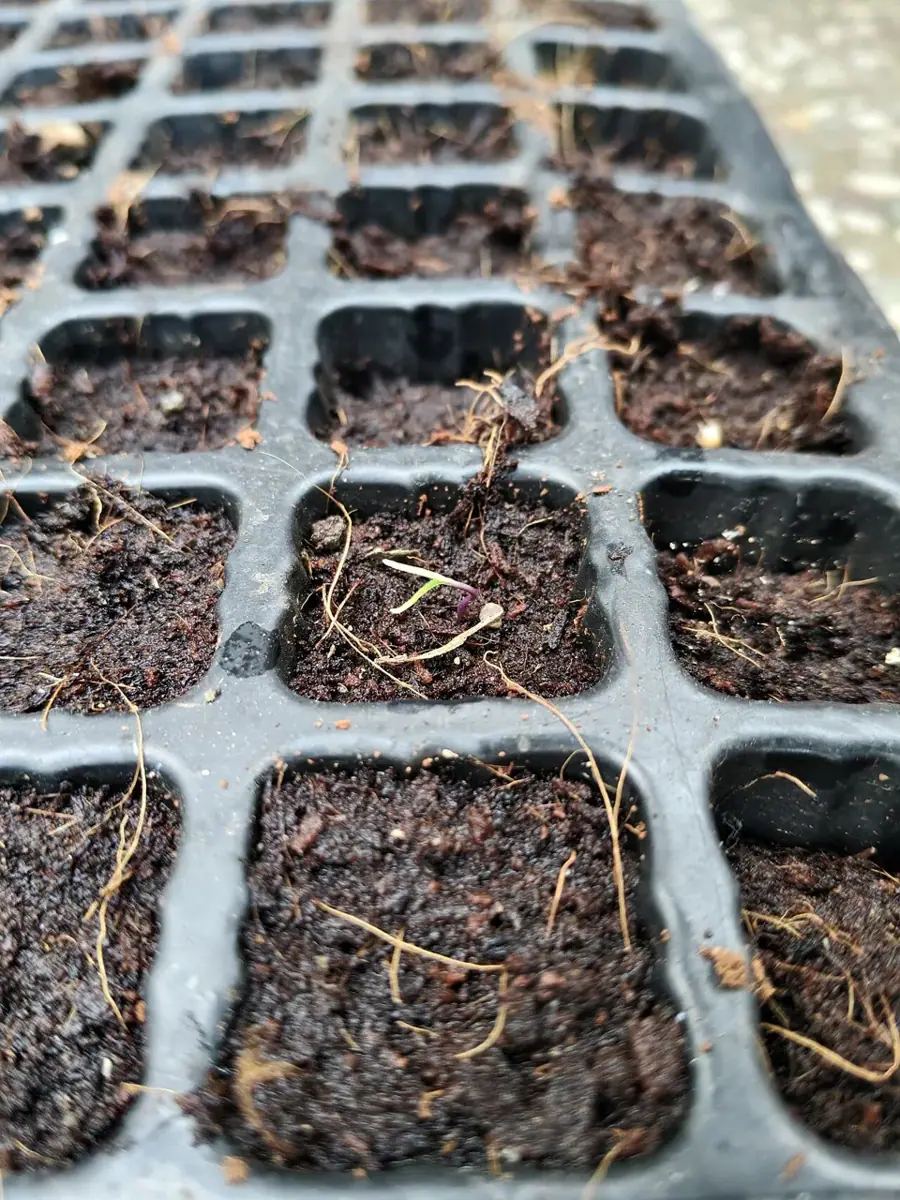
An empty tray can still produce a useful result when you record what happened closely enough to change the next attempt.
The potting table
A colour notebook records which flowers are actually open together, rather than which colours merely share a catalogue page.
The potting table
A quick support check can prevent a loose loop from becoming a rubbed stem or a constricting knot.
The potting table
A short journey is easier on a plant when the pot cannot tip, foliage is protected and unloading is planned.
The potting table
A clear assessment can separate a recoverable plant from a project that no longer suits your space or attention.